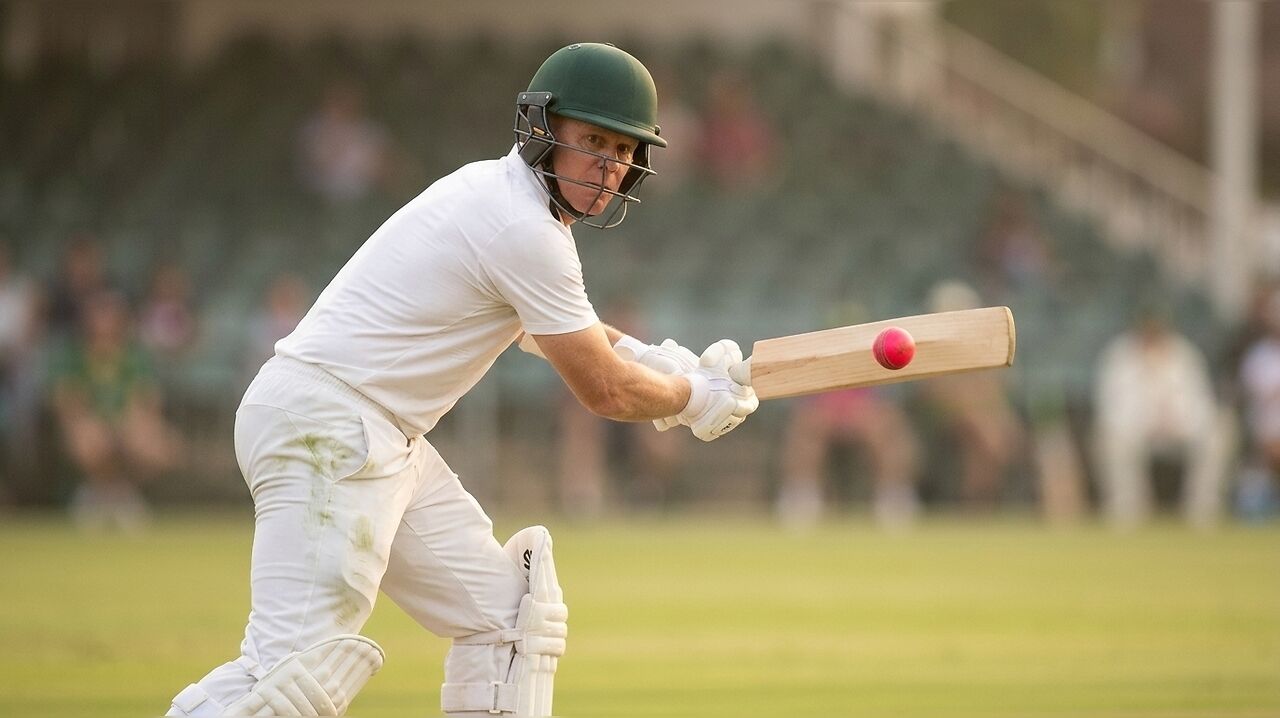
Former South Africa all-rounder
The match in Durban has been heavily impacted by environmental conditions, with only 221 of the scheduled 270 overs completed across the first three days. While play eventually resumed under clearer skies, the disruption highlighted the vulnerability of the traditional red ball to changing light levels. Pollock argues that the superior visibility of the
The Debate Over Visibility and Tradition
Under current International Cricket Council (ICC) regulations, the pink ball is permitted in daytime Tests on a trial basis, provided both team captains reach a consensus before the start of the match. However, once the decision is made, the pink ball must be used for the duration of the contest, with no option to revert to the red ball. Pollock clarified that his proposal is not a push for day-night cricket, but rather a practical solution to ensure that Test matches are not prematurely halted by light-related safety concerns.
Despite the potential benefits for match continuity, the proposal faces significant hurdles regarding team strategy and tradition. Pollock himself expressed skepticism about whether opposing captains would realistically agree to such a change in high-stakes scenarios, such as a series decider or a match with implications for the World Test Championship standings. The competitive nature of international cricket often makes teams hesitant to experiment with equipment that could alter the balance of the game.
Resistance from the Coaching Ranks
The idea has met with pushback from within the South African camp. Senior assistant coach Ashwell Prince has voiced his preference for maintaining the status quo, citing the disparity in experience levels between different nations regarding pink-ball cricket. Prince noted that because some teams have significantly more exposure to the pink ball than others, achieving a mutual agreement between captains remains a major logistical and tactical challenge.
Prince emphasized that for him, the identity of Test cricket is inextricably linked to the red ball. As cricket authorities continue to seek ways to protect playing time and maintain the integrity of the format, the tension between preserving tradition and embracing innovation remains a central theme. For now, the first Test at Kingsmead continues with Australia holding a commanding position, leaving the broader debate over the future of the ball in Test cricket to persist long after the final ball is bowled.