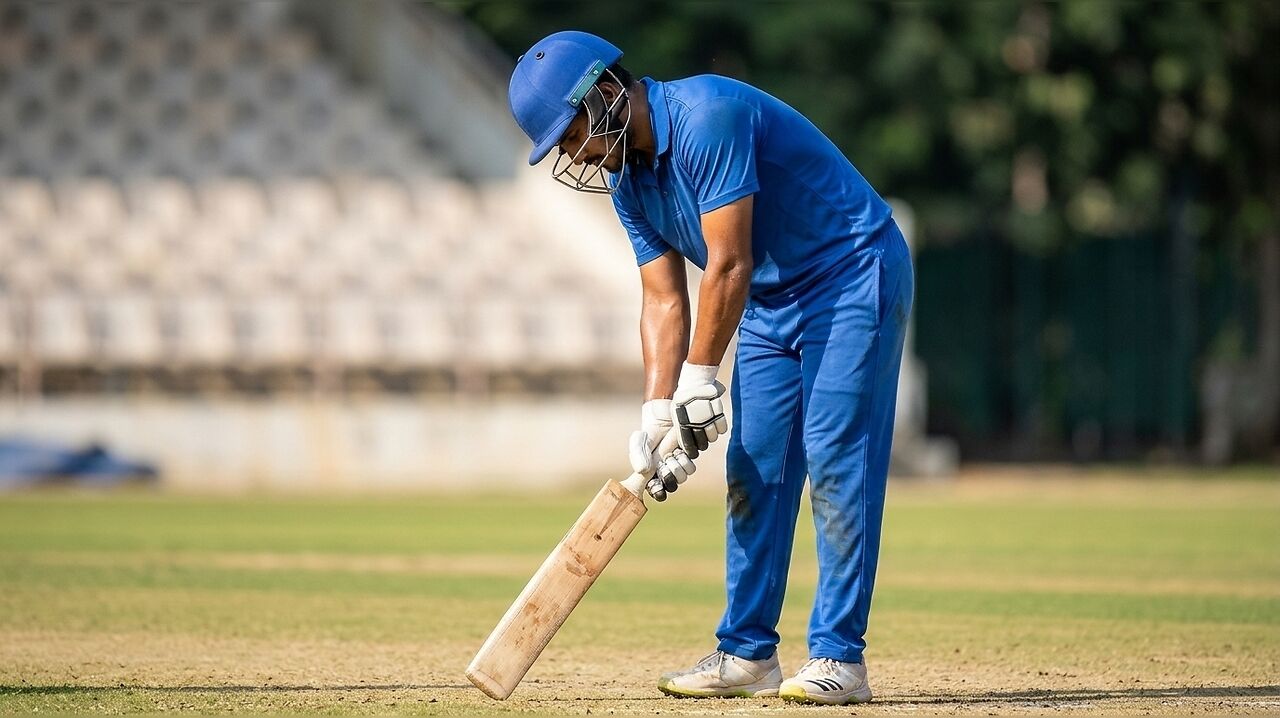
Karnataka’s campaign in the
The team’s performance throughout the season was defined by a lack of stability and a reliance on constant experimentation. Across their six matches, the management utilized 16 different players, with only
Struggles with bat and ball
The batting unit faced significant challenges, managing only three half-centuries throughout the campaign. Karun Nair provided two of those scores, with Smaran contributing the third. While other teams in the tournament saw numerous players maintain strike rates exceeding 200, Karnataka’s top and middle-order batters struggled to keep pace, with Luvnith Sisodia recording the team’s highest strike rate at 154. The team’s offensive output fluctuated wildly, ranging from a high of 184 against Bengal in the opener to a low of 95 against Chandigarh.
The bowling attack also lacked depth, with 12 different bowlers deployed over the course of the tournament. Manvanth Kumar emerged as the standout performer, contributing 91 runs and claiming 10 wickets, but he received little consistent support. While Abhilash Shetty and Ritesh Bhatkal showed flashes of potential, the overall bowling unit failed to exert sustained pressure on opponents.
Looking ahead to the Vijay Hazare Trophy
The premature end to their T20 season leaves head coach R Vinay Kumar and the selection committee with significant questions regarding team balance and strategic planning. The decision to recall veteran Manish Pandey did not provide the expected impact, and the continued reliance on under-performing players further hampered the side’s consistency.
As the team looks to move past this disappointing run, attention will now shift toward the upcoming Vijay Hazare Trophy. For a squad currently in transition, the focus for the coaching staff will be on establishing a settled core and addressing the tactical lapses that defined this year’s Syed Mushtaq Ali Trophy performance.