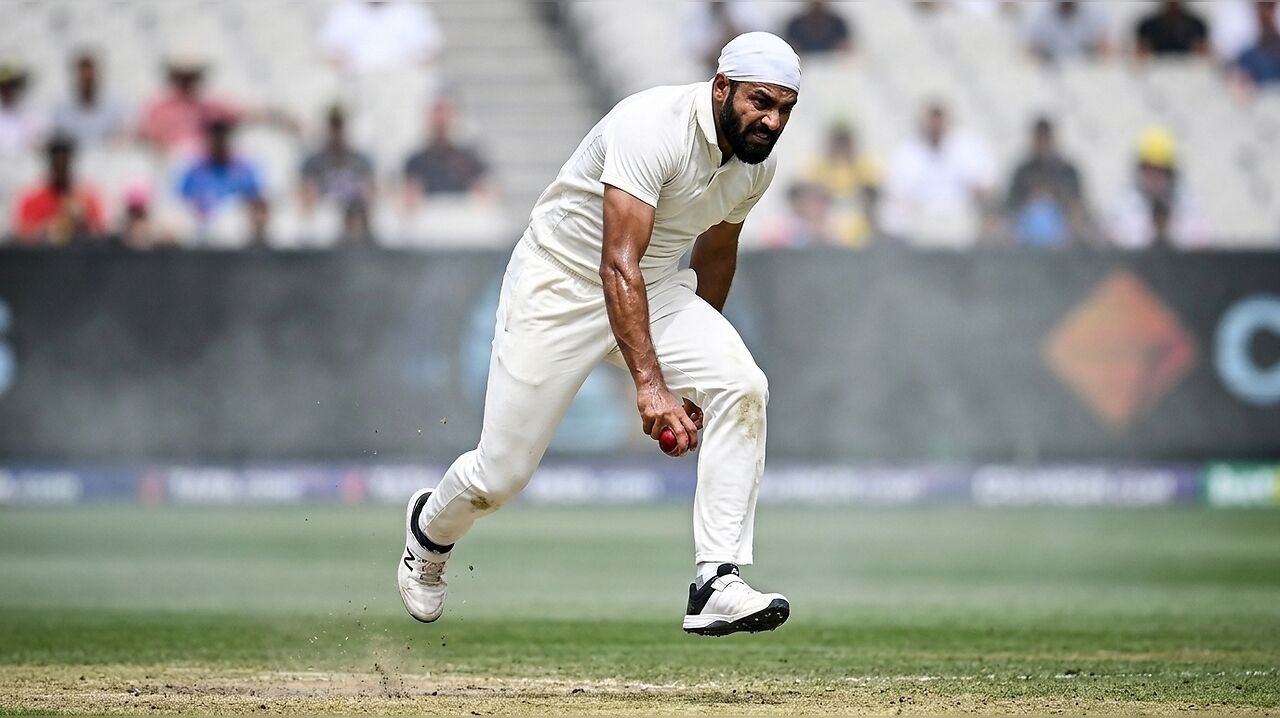
New Zealand fast bowler
The warning follows a high-scoring draw in the opening Test in Wellington, where bowlers found limited assistance and only 24 wickets fell over the course of five days. During that match, India posted a massive 720 runs in their second innings, marking their highest-ever total in an overseas Test match. Following the conclusion of that game, India captain Shubman Gill voiced his frustration regarding the nature of the pitch.
Adapting to changing conditions
Speaking at a press conference on Wednesday, Henry emphasized that the team must remain flexible rather than relying on historical data. He noted that recent matches at the ground have seen significant run-scoring, suggesting that the pitch may not offer the consistent movement that visiting teams might anticipate.
Evidence of this trend was visible during a recent four-day match between India A and New Zealand A at the same venue, which also resulted in a draw. In that fixture, both sides scored heavily, with Matt Boyle hitting 110 for New Zealand A and Dhruv Jurel scoring 105 for India A. The pitch appeared to ease significantly as the game wore on, highlighted by Yashasvi Jaiswal’s unbeaten 155 in India A’s second innings.
The challenge for bowlers
Henry acknowledged that Hagley Oval typically provides good bounce and carry, which can be advantageous for fast bowlers early on. However, he stressed that once batters navigate the initial challenging periods, the surface can become a place where scoring is relatively straightforward. He noted that for bowlers, the margins for error become incredibly slim once the pitch flattens out.
Despite the potential for high scores, the 34-year-old expressed a sense of comfort in returning to a venue where he has played frequently. While the familiarity of home conditions provides a level of ease, Henry maintained that the squad will still need to conduct a thorough assessment of the pitch once the second Test begins on Friday. He concluded that while he enjoys playing at the ground, the team’s focus remains on adapting to the specific conditions presented on match day.