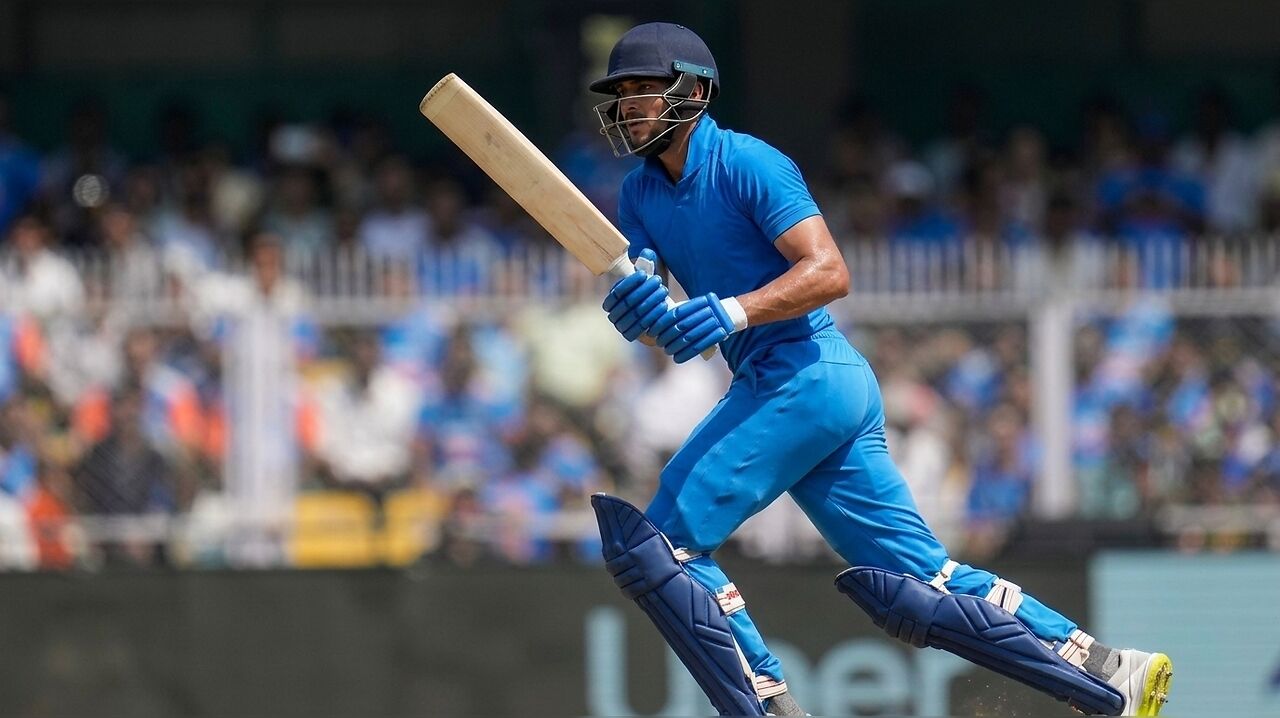
The second ODI between India and the West Indies in Guwahati has ignited a fresh debate regarding the state of modern pitches after a staggering 811 runs were scored in just 93.3 overs. The encounter, which saw bowlers reduced to spectators, has drawn criticism for the lack of assistance provided to the bowling attacks, leading to calls for curators to prepare more balanced surfaces.
India captain
Former Players Call for Balanced Pitches
Madan Lal, a member of India’s 1983 World Cup-winning squad, expressed his frustration with the lack of challenge for the bowlers. Describing the match as extremely boring, Lal argued that an ideal ODI should be contested around the 280-run mark per side. He emphasised that when pitches offer nothing to the bowlers, the quality of the game suffers, noting that the current trend of flat tracks threatens the long-term development of bowling talent.
Former Delhi pacer Sanjiv Sharma echoed these sentiments, suggesting that the aggressive batting mindset cultivated in T20 cricket is now dominating the 50-over format. Sharma noted that teams are increasingly comfortable chasing scores in excess of 400, a trend he believes is becoming the new norm. Both former players pointed to the lack of effective bowling performances during the match, with the exception of Kuldeep Yadav, as evidence that the current conditions are stifling the competitive nature of the sport.
The Future of the 50-Over Format
The Guwahati run-fest has reignited discussions about the existential crisis facing one-day cricket in an era dominated by the shorter T20 format. While the 50-over game is traditionally valued for its ability to build tension and allow for a tactical contest to unfold, matches that rely solely on high-scoring arithmetic risk losing that appeal. Despite Shubman Gill’s impressive double century entering the record books, the lack of a meaningful battle against the ball has left many observers questioning the sustainability of such batting-heavy spectacles.