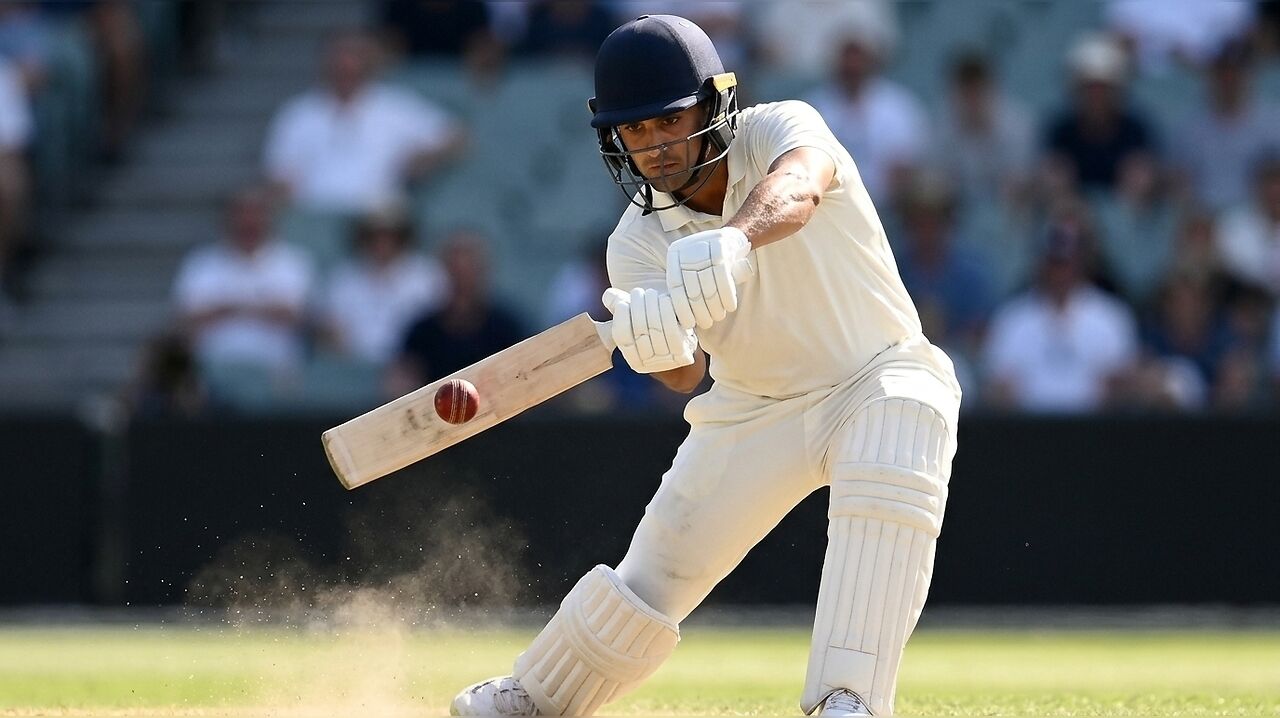
The International Cricket Council has officially rolled out a comprehensive set of updates to its playing conditions, affecting both men's and women's international cricket. These regulatory adjustments, which align with the latest MCC Laws of Cricket, are designed to streamline match officiating, curb time-wasting tactics, and provide greater clarity on fielding and ball specifications. The new rules are set to take effect for all international series commencing on or after October 1.
Among the most notable changes is a strict new penalty system for batters who delay play. Under the revised guidelines, batters must be prepared to face the next delivery within a set timeframe. Failure to do so will result in an initial warning, followed by a final warning for a second offence. Any subsequent instance of time-wasting will incur a five-run penalty awarded to the fielding side, with further action possible under the ICC Code of Conduct.
Standardised Equipment and Fielding Clarifications
The ICC has also moved to standardise ball specifications, particularly for the women's game. New regulations now mandate distinct size and weight requirements for men's, women's, and junior cricket balls. For women's international matches, the ball must weigh between 5 and 5.25 ounces (142-149 grams) and possess a circumference of 21.5 to 22 centimetres. This change addresses previous inconsistencies where manufacturers often produced a single ball type for both women's and junior levels.
Fielding protocols have also seen significant refinement. The definition of an overthrow has been clarified to specifically refer to attempts to hit the stumps to prevent runs or secure a run-out; misfields occurring during general play will no longer be categorised as overthrows. Furthermore, umpires have been granted increased discretion in determining when a ball is considered dead or finally settled, removing the requirement for the ball to be physically held by the bowler or wicketkeeper. Additionally, for a run-out or stumping to be valid, a fielder must demonstrate complete control of the ball, as merely touching it while breaking the stumps is no longer sufficient.
Test and Limited-Overs Adjustments
Test cricket will see the introduction of pink balls for daytime matches on a trial basis, provided both competing teams reach an agreement beforehand. This measure is intended to mitigate the loss of playing time caused by poor light conditions. Once a match begins with a pink ball, it must be used for the duration of the contest. Another shift in Test protocols involves the final over of the day; play will no longer automatically cease upon the fall of a wicket, provided there is time remaining in the over and conditions permit.
In the limited-overs formats, the leg-side wide rule, previously on trial, has now been permanently adopted for ODIs and T20Is. T20 matches will now feature a fixed 15-minute interval, which can be shortened to 10 minutes if time has been lost during the game. Finally, coaching staff have been granted permission to enter the field during scheduled drinks breaks in both ODIs and T20Is, offering teams more direct access to their players during the heat of competition.