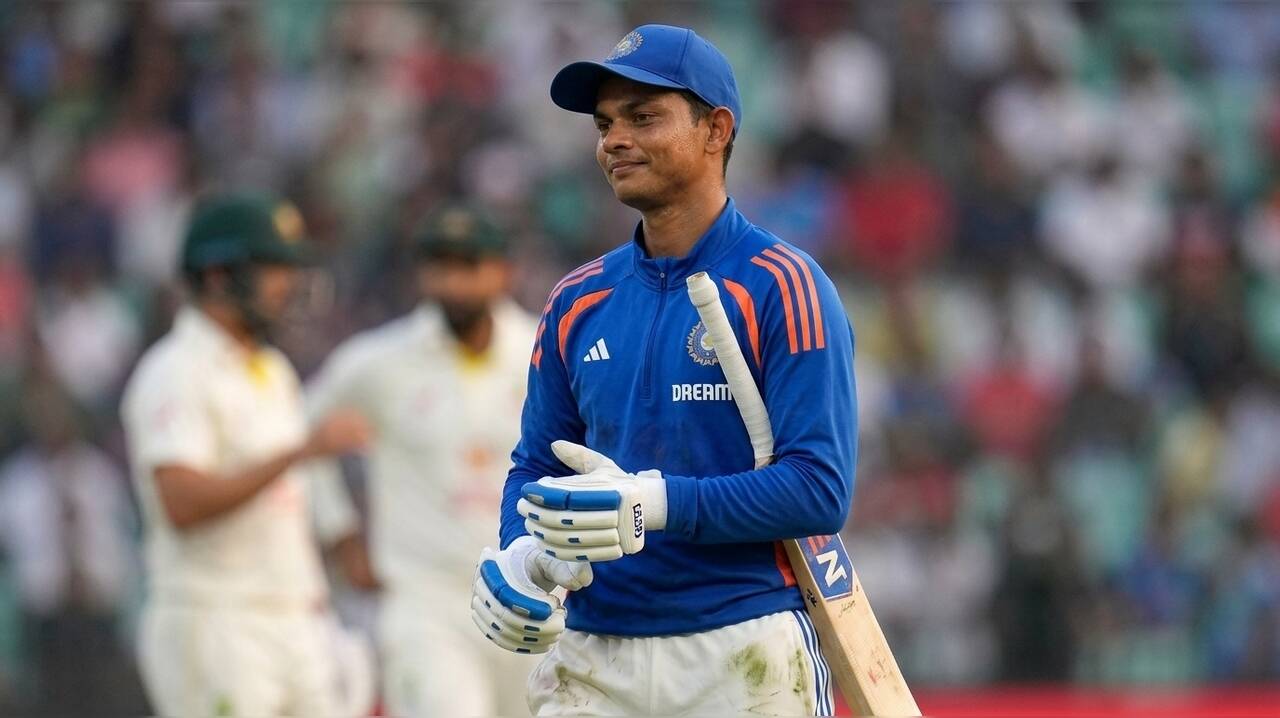
During the final, Jaiswal, who was playing for the West Zone, found himself embroiled in a series of confrontations with South Zone's T Ravi Teja, despite multiple warnings from the match officials. As the captain of the West Zone, Rahane recognized the escalating tension and took it upon himself to intervene. He urged Jaiswal to cease the exchanges and temporarily leave the field to cool off.
Rahane's Leadership in a Tense Moment
Reflecting on the incident, Rahane expressed that he felt the situation was on the verge of spiraling out of control. In an interview with The Indian Express, he stated, “Sledging happens in the game, and I agree that it should happen—it adds a bit of fun. But I sensed that things could escalate further.” He acknowledged that while Jaiswal might have felt upset at the time, he believed it was crucial to manage the situation to prevent any repercussions, including a potential ban.
Rahane revealed that the match referee, Vengalil Narayanan Kutty, had prepared a letter imposing a four-match ban on Jaiswal. However, after Rahane's intervention, the referee decided to tear up the letter, expressing gratitude for Rahane's proactive approach. “In the end, I was happy that Jaiswal didn’t get any match ban, and now he’s playing for India,” Rahane remarked, emphasizing the importance of the moment in Jaiswal's career.
Lessons Learned and Future Implications
Jaiswal went on to deliver a remarkable performance in the final, scoring 265 runs and earning the
As Jaiswal's career continues to flourish, the incident has gained additional significance, especially in light of reports in 2025 suggesting that tensions between the two players had led Jaiswal to contemplate a move from Mumbai to Goa, a decision he ultimately did not pursue. Rahane's recent comments shed light on his intentions during the Duleep Trophy final, reinforcing his role as a protective leader looking out for his teammate's best interests.