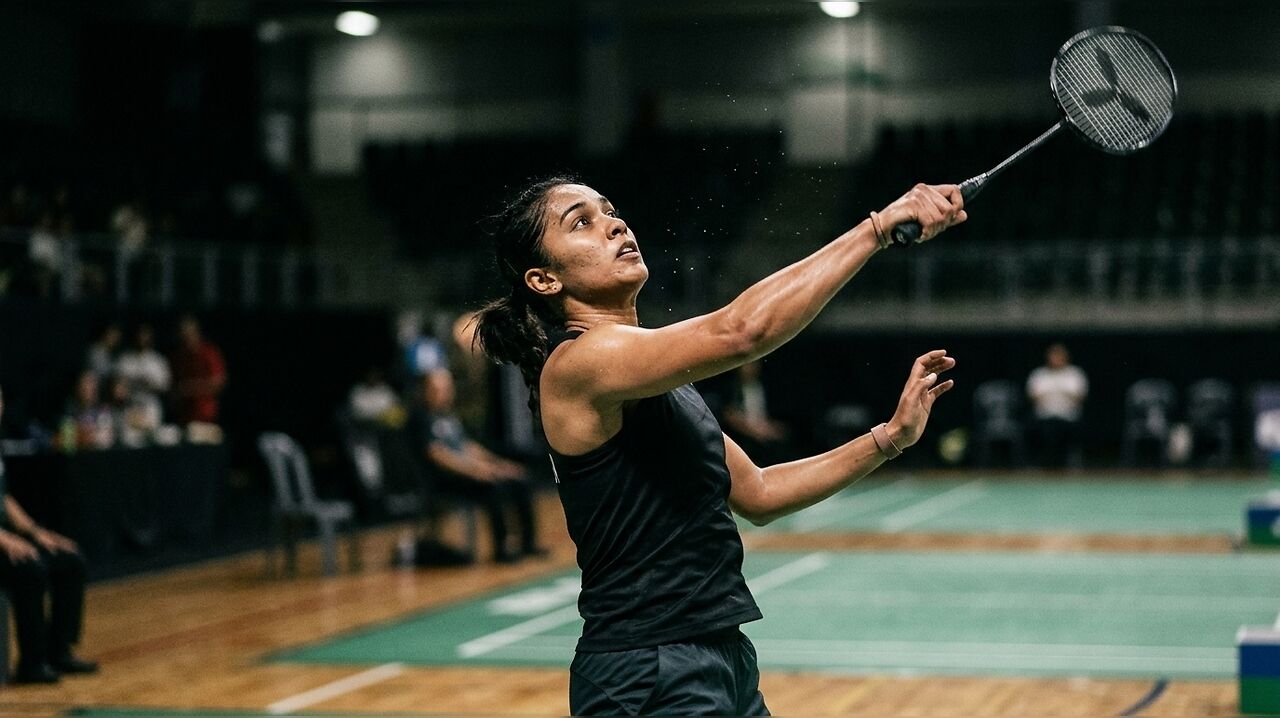
Two-time Olympic medallist
Sindhu, who recently climbed back into the world’s top 10 following her victory at the Hylo Open, has been using the Temple device for some time. She expressed confidence that Gill, who has also begun using the technology, will effectively leverage the insights it provides. According to Sindhu, the device offers a comprehensive view of an athlete's physical state, including heart rate variability, sleep quality, cognitive performance, and nutritional tracking.
The importance of data-driven recovery
The badminton star explained that there is no single metric that dictates an athlete's readiness for competition. Instead, she advocates for a holistic approach where individual data points are interpreted based on the specific demands of the sport. By monitoring these parameters, athletes can better structure their work schedules and ensure their bodies are adequately prepared for the rigours of professional play.
Sindhu highlighted that while the technology provides the data, the application of those insights remains a personal process. She noted that Gill, having been a professional cricketer for a significant period, would likely have developed a strong understanding of how to use these data points to balance his playing time and rest periods effectively.
Mentorship and cross-sport inspiration
Beyond the technical aspects of her preparation, Sindhu also reflected on the value of building relationships with other elite athletes. She credited
Sindhu believes that communication across different sporting disciplines is a powerful tool for growth. By engaging with peers such as Kohli and javelin thrower Neeraj Chopra, she gains unique perspectives on how to handle pressure, manage setbacks, and maintain motivation. These interactions, she suggests, provide invaluable lessons that transcend the boundaries of any single sport, offering a broader understanding of the mental resilience required to compete at the highest level.