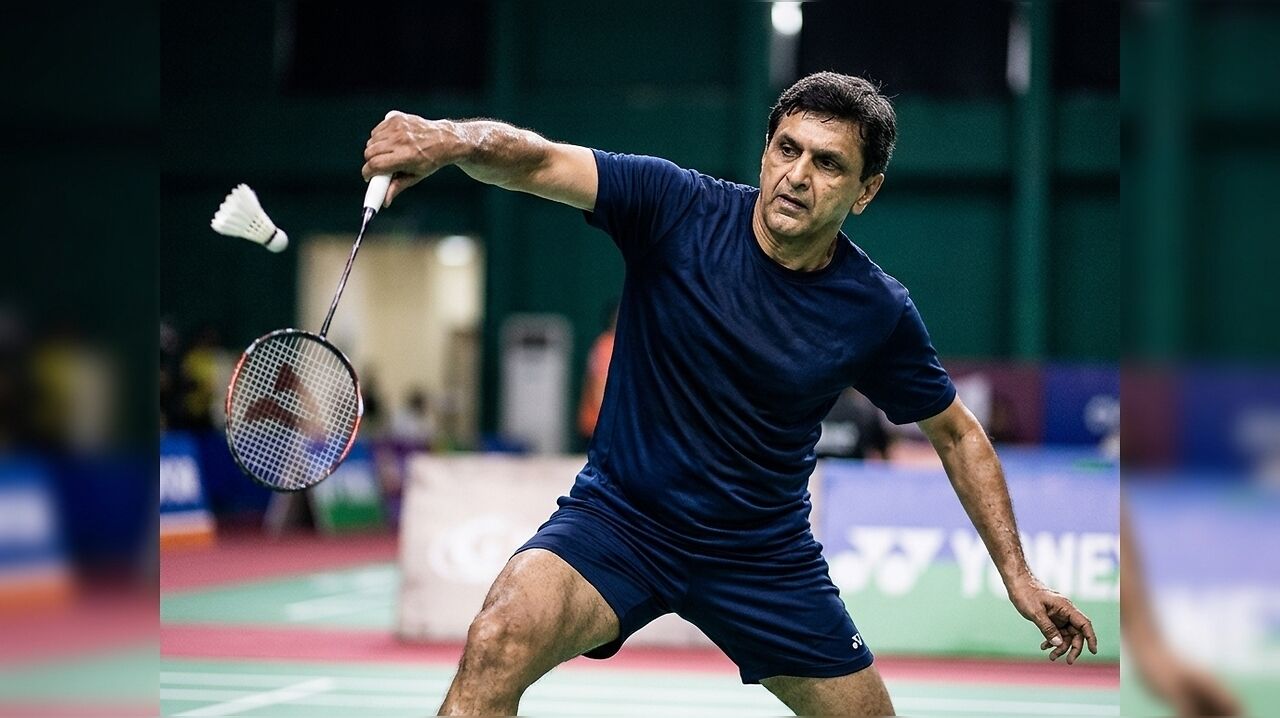
Legendary badminton figure
India’s campaign concluded with a solitary bronze medal in the team event, while the individual categories saw four quarter-final exits, leaving the contingent without a medal in those disciplines. Speaking at an event marking a partnership between the Padukone School of Badminton and the International Institute of Sports Management, the veteran expressed his belief that the team should have at least matched their performance from the previous edition of the Games.
Call for Consistency and Strategic Scheduling
Addressing the broader challenges facing Indian shuttlers, Padukone highlighted the need for improved consistency. While acknowledging that the modern, year-round international schedule is physically demanding, he insisted that the current support systems are robust enough to facilitate better results. He noted that players often struggle to maintain momentum, frequently following a strong tournament finish with an early-round exit in subsequent events.
To combat this, the former coach advised top-tier players to be more selective with their calendars. He suggested identifying four or five marquee tournaments per season to target for peak performance, rather than attempting to maintain top form throughout the entire year. He also pointed to two-time Olympic medallist
Adapting to Future Challenges
Looking ahead, Padukone expressed concern regarding the upcoming transition to a 15x3 scoring system, which is set to be implemented next year. He warned that the new format will likely increase the pressure on players, as the margin for error will shrink significantly. He suggested that Indian athletes may need to adopt a more aggressive style of play to adapt to the shorter, high-intensity matches that the new system will inevitably produce.
Regarding the future of the sport in India, Padukone maintained that singles remains the nation's primary strength, with a steady pipeline of talent emerging. However, he admitted that the doubles disciplines—men’s, women’s, and mixed—face a more difficult path to achieving consistent international success. He concluded that while the talent is present, the players must be willing to put in the necessary effort to ensure that the country remains competitive on the global stage over the next five to six years.