Tennis icon
During the discussion with N. Ram, Director of The Hindu, Amritraj highlighted the decline of the serve-and-volley style that defined his own playing career. He pointed to the changing nature of court surfaces, specifically noting that even the grass at Wimbledon has become significantly slower, leading to a game dominated by baseline play rather than net-rushing tactics.
The physical toll of modern tennis
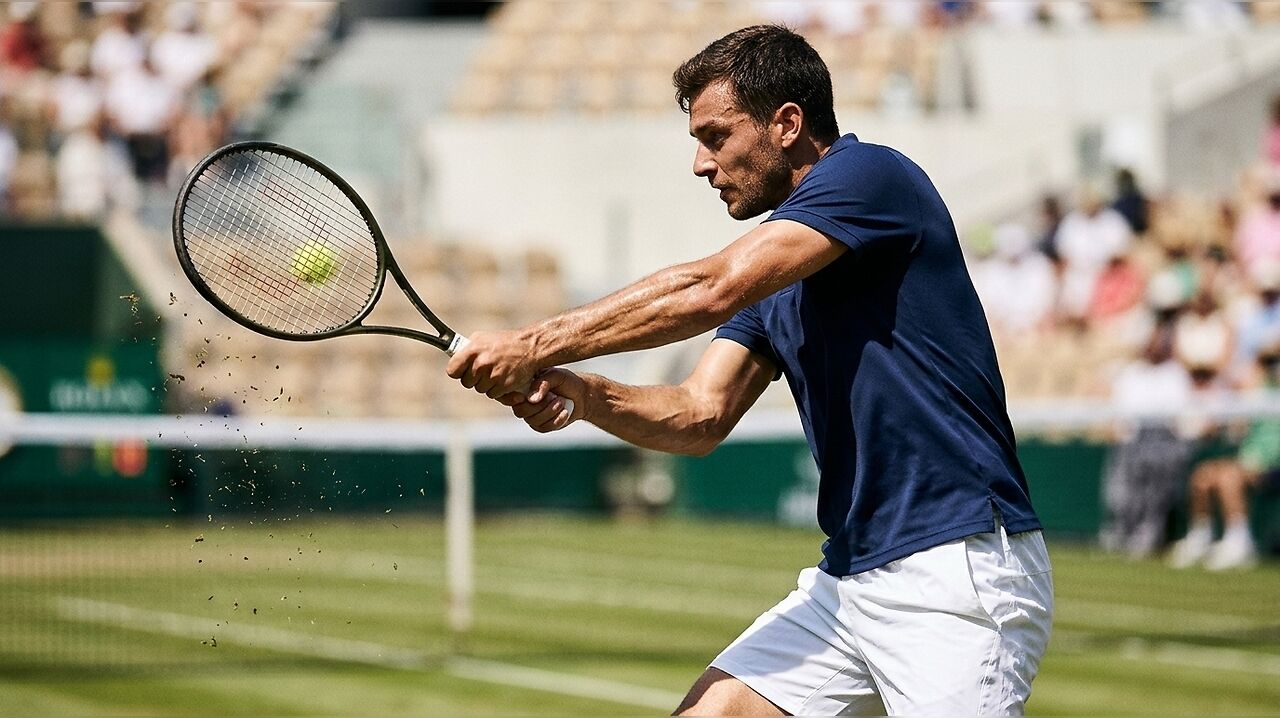
Amritraj, who currently serves as the president of the Tamil Nadu Tennis Association, identified the rise of power-based tennis as a primary driver for the frequent injuries seen in today’s athletes. He observed that the modern technique, which involves intense engagement of the shoulder, elbow, and wrist, contrasts sharply with the more graceful, fluid strokes of his era. According to the former World No. 16, the combination of bouncier courts and heavier tennis balls has necessitated a shift toward two-handed backhands and a more physically demanding style of play.
Addressing the ongoing discourse regarding the sport's demanding schedule, Amritraj offered a nuanced perspective on the calendar. While acknowledging the complaints from top-ranked players about the packed nature of the tour, he emphasized the necessity of maintaining a robust structure for lower-ranked professionals. He argued that the ATP 250 and 500 events are vital for the survival of the broader tour, providing essential opportunities for players outside the top tier to compete and sustain their careers.