The
The cocktail, which features
From Concept to Cultural Staple
The inspiration for the drink dates back to 2006, when USTA COO Daniel Zausner sought to replicate the success of the Kentucky Derby’s mint julep. He tasked mixologist Nick Mautone with creating a signature beverage that could capture the same level of fan fervor. Mautone, a former US Open worker, found his muse at a Long Island farmers market while preparing a salad. Upon seeing the scooped melon, he realized the spheres resembled tennis balls. After testing several variations, including drinks once titled "Deuce" and "30 Love," the current iteration debuted in 2007.
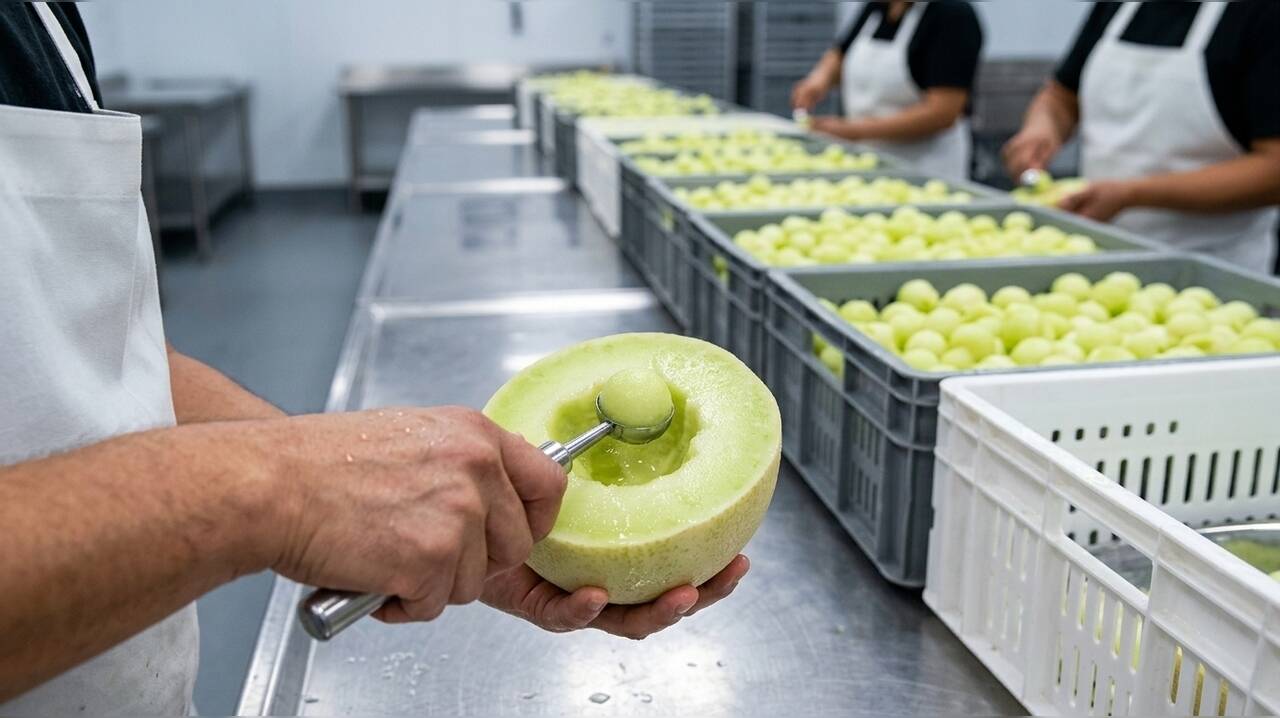
The logistics behind the garnish are significant. Every year, 8,000 cases of honeydew melons are transported from California to New York. Because the melon balls have a shelf life of only five days, a team of over 20 employees works daily starting at 5:45 a.m. to hand-scoop more than 2.4 million individual spheres using 500 specialized melon ballers. This manual process ensures that the presentation remains consistent for the hundreds of thousands of fans who visit the grounds.
A Souvenir and Social Media Icon
Beyond the drink itself, the commemorative cup has become a highly sought-after souvenir. Each cup is printed with the names of past US Open champions, and many fans make a point of collecting them, with some even stacking them several feet high during the tournament. The cups have become so popular that they are frequently traded or sold on secondary markets, and the USTA has even expanded the brand to include merchandise such as T-shirts, hats, and scented candles.
The drink’s rise to prominence has been bolstered by its status as a "must-have" accessory for celebrities and fans alike, often appearing in social media posts from high-profile attendees. Aleco Azqueta, global vice president of marketing at Grey Goose, notes that the post-pandemic era accelerated the cocktail's cultural impact, turning it into an essential part of the US Open experience. With attendance figures consistently exceeding one million spectators, the demand for the Honey Deuce continues to climb, ensuring that the elaborate logistical operation behind the drink remains a permanent fixture of the tournament.