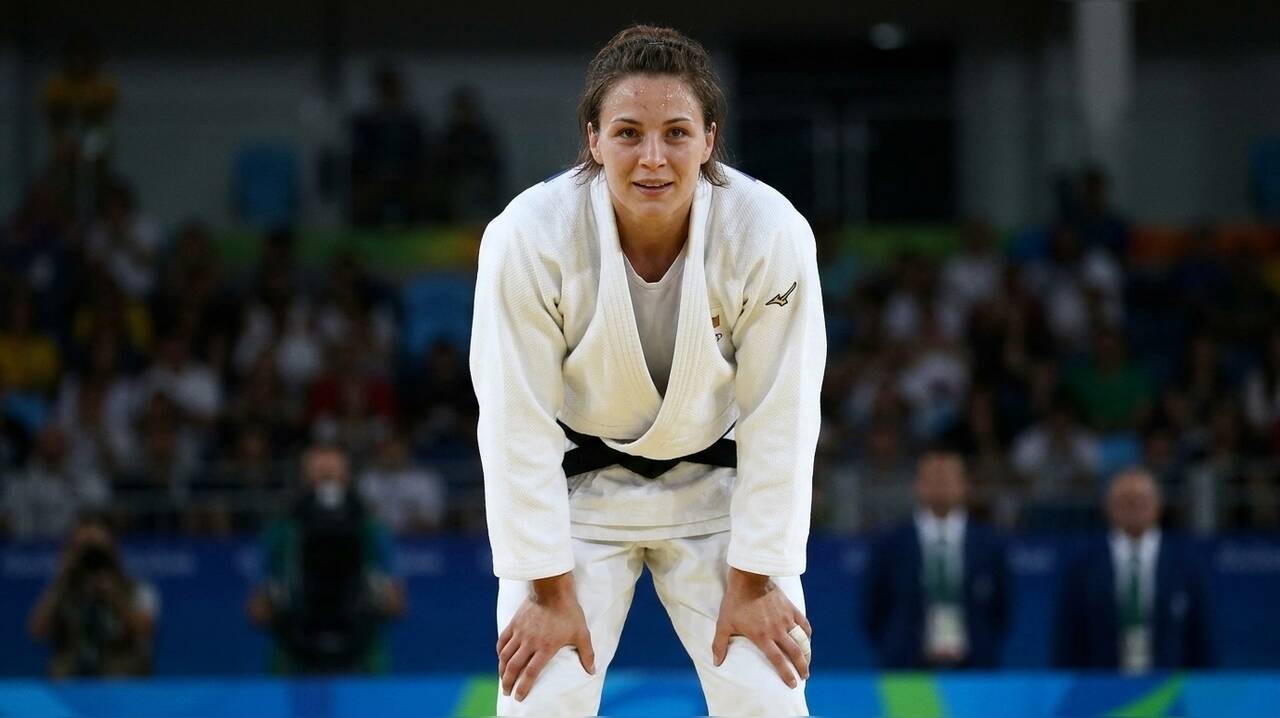
The success in Glasgow was driven by the performances of
A Growing Global Footprint
The Glasgow Games highlighted the increasing reach of judo within the Commonwealth movement. According to the Commonwealth Sport website, judo medals were distributed across 18 different nations, a figure surpassed only by athletics and para-athletics. This geographical spread, which saw countries like Mauritius and Malaysia produce their first champions, serves as a compelling argument for the sport’s continued presence in future Games. While judo has historically faced an inconsistent journey in the Commonwealth programme—frequently rotating between optional and excluded status—its recent performance has strengthened its case for long-term stability.
Despite the optimism, the sport’s inclusion in the 2030 Ahmedabad Games remains uncertain. Commonwealth Sport is currently conducting a programme review, with the final list of 15-17 sports expected to be announced next year. Supporters of the sport argue that India’s recent success, combined with the sport's proven ability to engage a diverse range of nations, provides a strong foundation for its inclusion in the centenary edition.
Looking Ahead to the Asian Games
The focus for the Indian contingent now shifts to the upcoming Asian Games in Aichi-Nagoya, Japan. The challenge will be significantly greater, as the team prepares to face established powerhouses such as Japan, South Korea, Uzbekistan, and Mongolia. India’s historical record at the Asian Games has been modest, with the last medal dating back to 1994, but coaches are optimistic about the current squad's potential.
Head coach Jiwan Kumar Sharma noted that the team’s recent form and improved training infrastructure—supported by year-round camps and private academies—have narrowed the gap between India and traditional judo nations. While the Asian Games will serve as a rigorous litmus test for the athletes, the momentum generated in Glasgow has provided a much-needed boost to the sport's domestic standing. As the team prepares for Japan, the emphasis remains on maintaining the high level of performance that has recently brought Indian judo into the international spotlight.