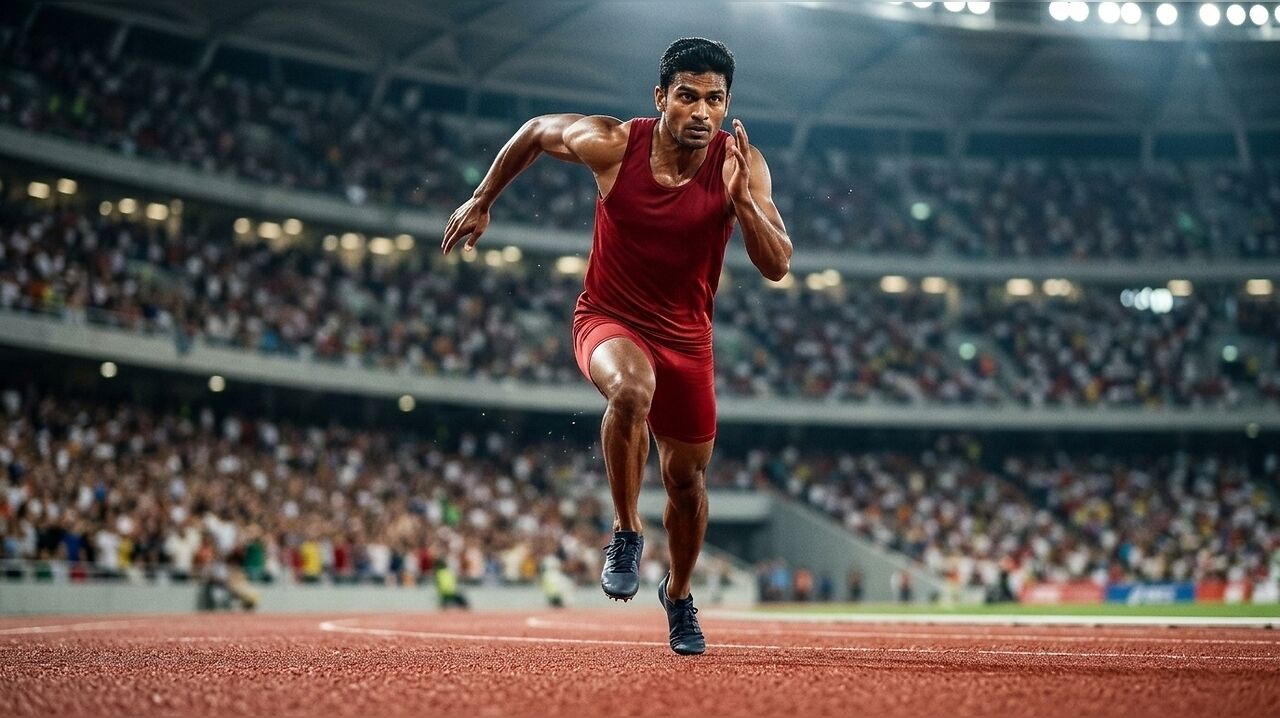
India is set to launch its campaign at the 2026 Asian Games in Aichi-Nagoya, Japan, with a focused contingent of 501 athletes. Despite a reduction in squad size compared to the previous edition in Hangzhou, where India fielded over 650 competitors, sports authorities remain confident that the streamlined team will maintain a high level of productivity. The nation is targeting a haul of approximately 100 medals, a goal that would significantly improve the athlete-to-medal ratio compared to the 106-medal performance achieved three years ago.
The upcoming Games, which mark Japan’s third time hosting the event and its first in 32 years, have faced early scrutiny regarding logistical and accommodation challenges. Reports indicate that organizers are managing the influx of over 17,000 participants from 45 nations through a combination of hotel bookings, container housing, and a cruise ship. Despite these operational hurdles, the Indian contingent—comprising 267 men and 234 women—is prepared to compete across 36 disciplines.
A Blend of Experience and Emerging Talent
The Indian squad features a notable mix of seasoned campaigners and fresh faces, with 310 debutants included in the roster. This infusion of new talent follows a strategic rationalization of the team, aimed at prioritizing performance over sheer volume. Among the notable figures leading the charge are Manu Bhaker, Mirabai Chanu, Lovlina Borgohain, P.V. Sindhu, Aman Sehrawat, Tajinderpal Singh Toor, Gulveer Singh, Harmanpreet Singh, Smriti Mandhana, and Jasprit Bumrah.
Individual milestones will also be a focal point of the Games. Squash player Joshna Chinappa is set to make history as the first Indian to compete in seven consecutive Asian Games at the age of 39. At the other end of the spectrum, 15-year-old cricketer Vaibhav Sooryavanshi will serve as the youngest member of the team, while 55-year-old rider Shruti Vora stands as the oldest. The government has invested nearly ₹800 crore in preparations over the current cycle to support these athletes.
Strategic Focus and Future Aspirations
Shooting and athletics remain the primary pillars of India’s medal expectations, with the two sports accounting for 105 athletes. These disciplines are expected to be supported by strong performances in archery, boxing, badminton, squash, and wrestling. Additionally, the men’s and women’s hockey teams are under pressure to secure gold medals, which would simultaneously guarantee their qualification for the 2028 Los Angeles Olympics.
While India is expanding its reach into new disciplines such as mixed martial arts and teqball, there is an acknowledged need to address under-representation in high-medal-yield sports like swimming, gymnastics, and cycling. As the nation pushes for continental success, officials are also keeping a watchful eye on the integrity of the team, particularly in light of concerns regarding a rising trend in doping cases. Cricket will also draw significant attention, with both the men’s and women’s squads expected to be closely monitored throughout the tournament.