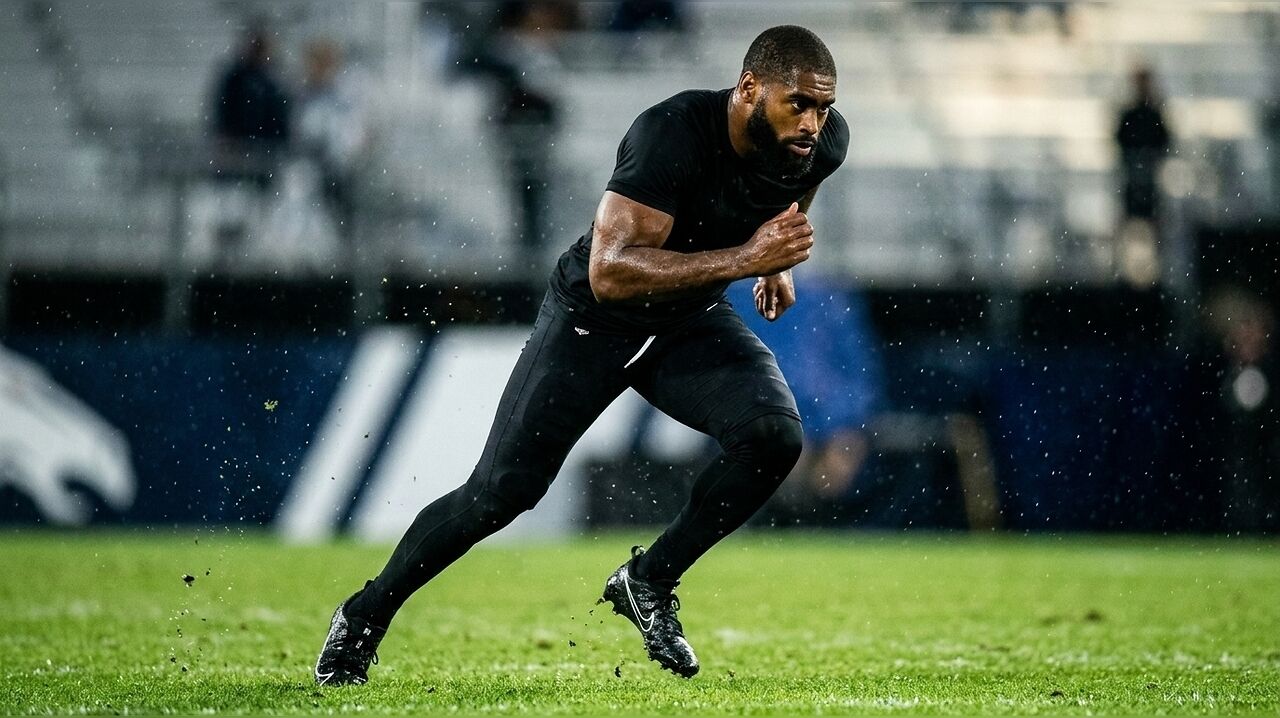
Cooper had been placed on the exempt list on August 30 following two separate arrests in June related to domestic violence charges. While the league's decision allows him to resume practice and game participation, the NFL clarified that its internal review of the case is still active. The league noted that the change in roster status does not impact the ongoing investigation, leaving open the possibility of future disciplinary action under the NFL's personal conduct policy.
Roster status and legal proceedings
Under the current arrangement, the Broncos have been granted a one-week roster exemption for the linebacker. This period allows the team to reintegrate him into practice sessions before deciding whether to officially add him back to the 53-man roster. Throughout his time on the exempt list, Cooper was permitted to attend team meetings and utilize conditioning facilities, though he was prohibited from participating in practices or games.
The legal situation surrounding the sixth-year player remains significant. Cooper is currently facing a felony charge of second-degree assault by strangulation, alongside three misdemeanor charges, including the violation of a protection order. Following a motions hearing in Douglas County, Colorado, last week, his trial has been scheduled for March 2-4, with a pre-trial hearing set for February 19.
Regarding the potential for future league-mandated suspensions, the time Cooper spent on the exempt list during the first six weeks of the season could be credited toward any eventual penalty. However, should a suspension be issued, he would be required to return the weekly game checks earned while on the exempt list, as personal conduct policy suspensions are unpaid. Broncos head coach Sean Payton has maintained that the organization is deferring to the legal process and the league's investigation, noting that the team implemented specific guidelines for Cooper, including mandatory therapy, following his initial arrest.