

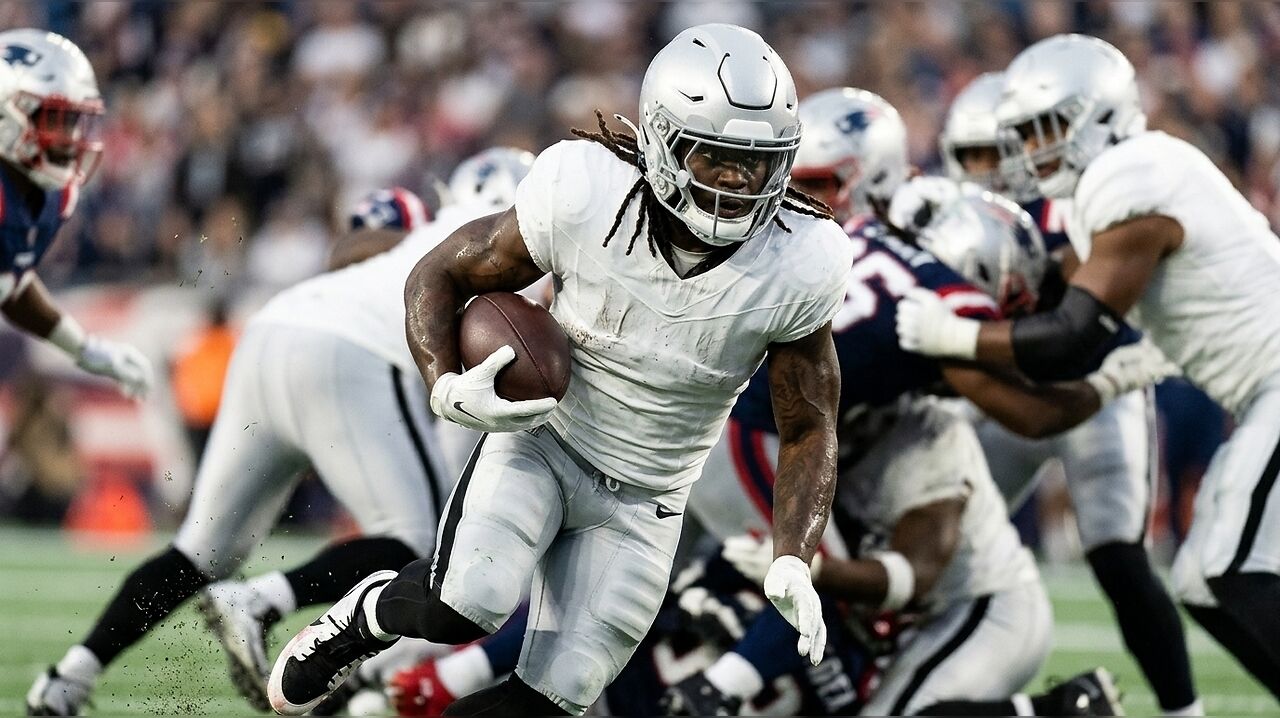
Expectations were sky-high for the 2025 rookie running back class following a historic Week 4 performance that saw them combine for 737 rushing yards—the highest total for a first-year group in a single week since the 1970 AFL-NFL merger. However, one year later, the momentum has stalled significantly. By Week 6 of the 2026 season, the group managed a collective 246 yards, their lowest output to date, as injuries and benchings sidelined many of the high-profile prospects who were once expected to redefine the position.
The decline in production has been stark. Since that breakout week in 2025, the class has struggled to maintain consistency, topping 600 combined yards in a single week only once. While some of the struggles can be attributed to difficult offensive environments, the overall trend suggests that many of the most touted prospects have yet to secure their footing as reliable NFL starters, leaving scouts and fans to wonder if the group will ever reach its projected ceiling.
High-Profile Struggles and Evolving Roles
Other notable names have faced their own hurdles.
Emerging Bright Spots and Future Outlook
Amidst the disappointment, some players have carved out productive roles. Bhayshul Tuten has emerged as a reliable piece for the Jaguars, utilizing his elite speed to force missed tackles and contribute effectively in a zone-running scheme. In Chicago, seventh-round pick Kyle Monangai has proven to be a model of efficiency, providing a steady presence in the Bears' backfield without the fumbling issues that have hampered others. Additionally, Ollie Gordon II has impressed in limited opportunities for the Dolphins, showcasing the explosive potential that many expected from the class at large.
While the 2025 class has not yet produced the immediate superstars that defined previous groups, the final chapter for these players is far from written. The remainder of the 2026 season will be critical for those looking to cement their status as long-term contributors. For many, the focus must shift from raw potential to the technical details—such as pass protection, ball security, and consistency—required to survive in the modern NFL. Whether this group can recover its early promise or remain a collection of situational players remains the defining question for the 2025 running back cohort.
