The decision to host the race in Malaysia was reached after extensive negotiations between the governments of Bahrain and Malaysia. While the logistical shift is significant, the event retains its original branding, a move that Bahrain’s Crown Prince and Prime Minister, Salman bin Hamad Al Khalifa, described as a testament to his nation’s ongoing commitment to the sport. The race is strategically positioned on the calendar between the Azerbaijan Grand Prix and the upcoming event in Singapore.
A Return to Sepang and Potential Weather Challenges
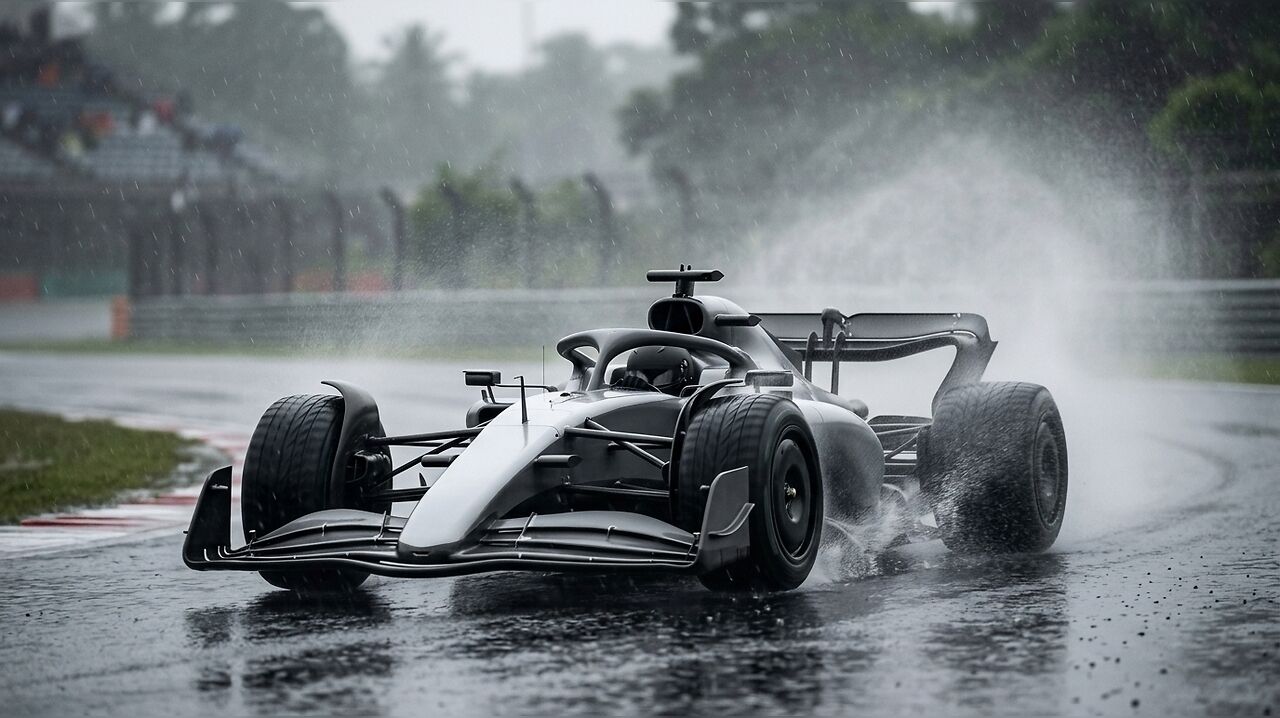
The return to Sepang marks the first time the sport has visited the venue since 2017. The circuit, which was a staple of the calendar for nearly two decades, is remembered for its unpredictable climate. Forecasts for the weekend include the potential for heavy rain and thunderstorms, which could lead to the first wet race since the implementation of major regulation changes in 2026. Such conditions would add a layer of complexity for the current grid, more than half of whom had not yet made their Formula 1 debuts when the track last hosted a Grand Prix.
Beyond the threat of rain, the event faces environmental challenges. Air quality in the region has been impacted by haze caused by forest and peat fires in neighboring Indonesia. Local authorities are actively monitoring the situation and utilizing cloud seeding techniques when possible to mitigate the pollution levels. These environmental factors, combined with the technical demands of the Sepang circuit, create a challenging backdrop for the teams.
Future Scheduling and Security Considerations
The relocation of this race highlights the ongoing logistical adjustments facing Formula 1 as it navigates security concerns in the Middle East. With upcoming events in Qatar and the season finale in Abu Dhabi still on the horizon, the sport is reportedly keeping contingency plans in place. Should further disruptions occur, European venues such as the Imola circuit in Italy have been identified as potential fallback options, with the possibility that the sport may continue to utilize existing race branding even if venues are shifted.