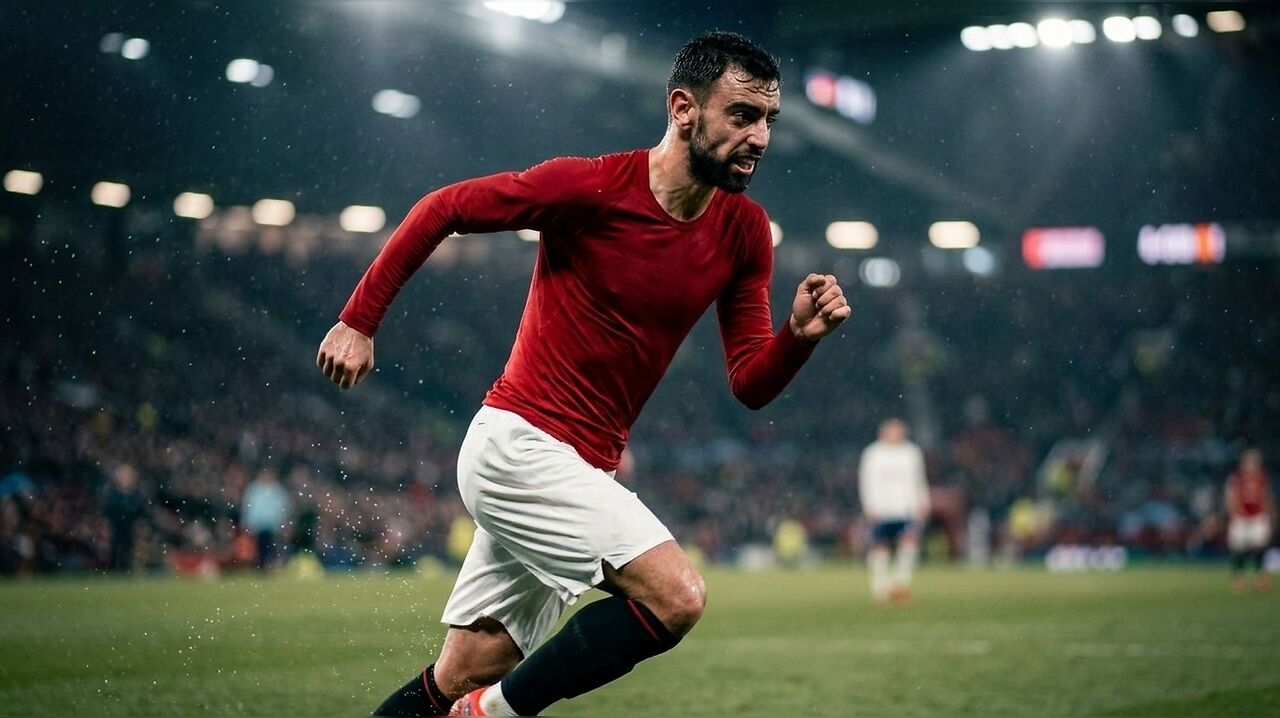
The contrast between the two clubs is defined by their approach to leadership.
A Tale of Two Philosophies
Under Simeone’s guidance, Atletico have successfully challenged the dominance of Barcelona and Real Madrid, securing La Liga titles in 2014 and 2021. Their presence in the Champions League has been a constant since the 2013-14 season, with the club reaching the final twice and the semi-finals on two other occasions. This sustained competitiveness stands in stark contrast to Manchester United, who have frequently missed out on qualification for Europe’s premier club competition during the same timeframe.
The identity of the two clubs has also diverged significantly. Atletico have maintained a reputation for a relentless work ethic and grit, evolving from a defensive-minded unit into a more versatile attacking side. Conversely, Manchester United have struggled to establish a coherent long-term philosophy, with their recent domestic form reflecting a period of profound difficulty. Currently sitting 13th in the Premier League, the club is enduring its worst start to a domestic campaign since the 1986-87 season, having managed only two victories in eight matches across all competitions.
Current Form and Managerial Challenges
The pressure on the Manchester United setup has intensified following a recent draw against Tottenham, a match in which the team faced criticism for a lack of intensity compared to their opponents. Reflecting on the current situation,
Atletico’s recent success has been bolstered by the form of Julian Alvarez. Despite summer speculation regarding his future, the Argentine forward has integrated well into the squad, contributing to a late 2-1 victory over Alaves last Saturday. Simeone praised the forward’s impact, noting his enthusiasm and desire to contribute to the team’s efforts. As Manchester United look to build on their 4-0 Champions League opening win against Sabah, they face a side defined by a decade of structural stability and a clear, ingrained culture of performance.