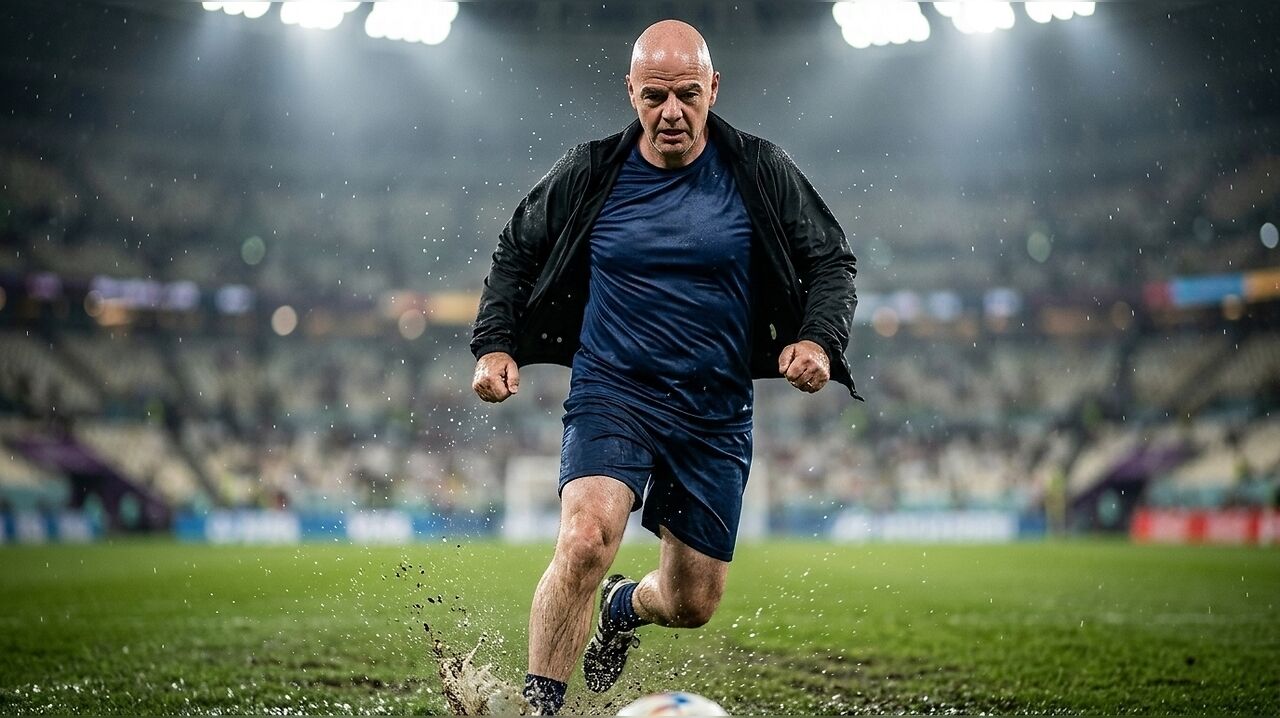
FIFA President
The visit follows a period of internal pressure for the FIFA chief, who recently issued an apology to the organization’s 37-member ruling council in Zurich. The apology addressed errors made during the development of a proposed $4.2 billion sell-off plan for the World Cup, a project that has since been abandoned. Infantino has attempted to address concerns from critics by proposing an independent review of FIFA’s decision-making processes.
Navigating Regional Support and Opposition
The upcoming meeting in Tokyo, which is expected to be held behind closed doors, comes as Infantino works to secure the necessary backing from the 211 FIFA member federations. While a simple majority is required to win the election in March, the landscape of support remains varied. According to an Associated Press tally, 87 member federations have publicly indicated their support for the current president, though significant opposition remains concentrated within Europe.
The AFC itself has shown signs of division regarding the FIFA leadership. While AFC President Sheikh Salman bin Ibrahim Al Khalifa initially voiced opposition to Infantino’s controversial World Cup subsidiary plan, reports suggest a potential shift in his stance. Within the region, allegiances are split; for instance, Qatar has signaled its support for the incumbent, whereas Jordan has publicly declared its opposition.
Election Timeline and Structural Scrutiny
With no sitting FIFA president having lost an election since 1974, the path to a fourth term appears favorable for Infantino, provided he maintains his coalition. Candidates looking to challenge the current president face a deadline of November 18 to file their bids. To qualify, any challenger must have held an active role in association football for two of the last five years and secure formal declarations of support from at least five member federations.
As the election approaches, the organization continues to face external scrutiny regarding its governance. Political scientist Jules Boykoff noted that FIFA functions as a significant patronage network, distributing billions in revenue generated from the men's World Cup to member associations globally. Boykoff highlighted that while these funds are intended for football development, the lack of rigorous oversight remains a point of contention for critics calling for structural reform. The FIFA Council is slated to reconvene on December 16 in Doha, Qatar.