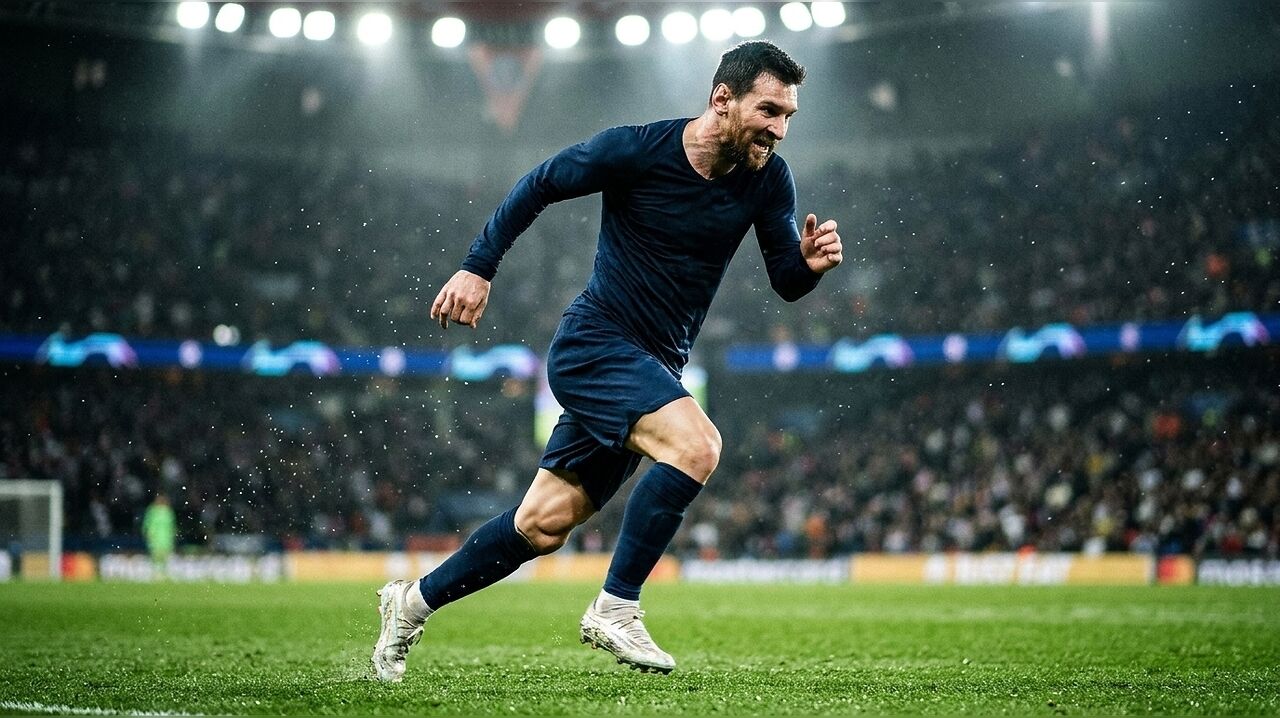
The Ballon d'Or stands as the pinnacle of individual achievement in world football, a prestigious accolade that has tracked the evolution of the sport for seven decades. Since its inception in 1956, when Blackpool’s Stanley Matthews was named the inaugural recipient, the award has served as a definitive record of the players who have defined their respective eras.
The history of the trophy is marked by periods of dominance from legendary figures and iconic clubs. From the early influence of Alfredo Di Stefano and the tactical brilliance of Johan Cruyff to the modern-day duopoly of
Tracing the Evolution of Football's Greatest Individual Honour
The men’s list captures the shifting landscape of European and global football. Early winners such as Raymond Kopa and Luis Suarez paved the way for the defensive mastery of Franz Beckenbauer and the attacking flair of George Best. The late 20th century saw the rise of stars like Roberto Baggio, Zinedine Zidane, and Ronaldo, before the turn of the millennium ushered in an era of unprecedented consistency from Messi and Ronaldo. Recent years have seen the award continue to evolve, with Rodri claiming the title in 2024, followed by Ousmane Dembélé in 2025 and Harry Kane in 2026.
Since its launch, the women’s Ballon d'Or has quickly established its own narrative of excellence. Ada Hegerberg claimed the inaugural trophy in 2018, followed by Megan Rapinoe in 2019. The subsequent years have been defined by the dominance of Barcelona’s midfield maestros, with Alexia Putellas and