Former India opener
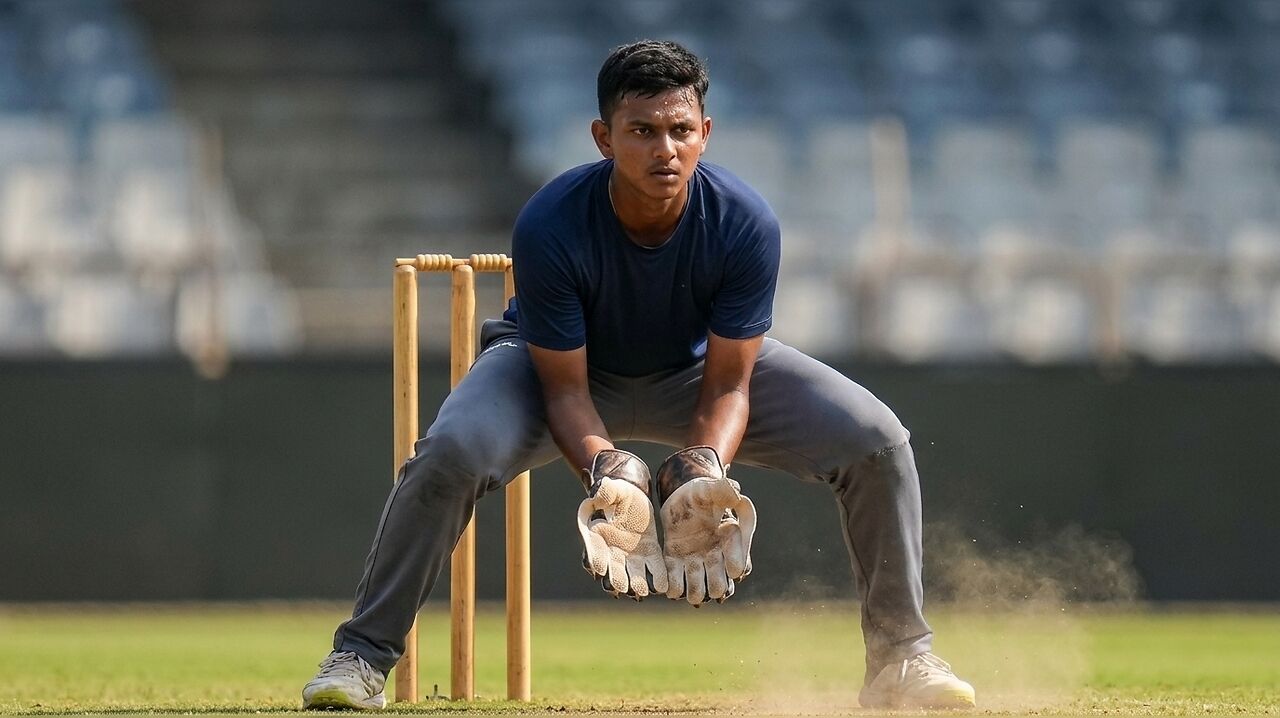
Jaiswal, a key figure in India’s Test setup, was recently spotted wearing the gloves during practice sessions. Mumbai captain Siddhesh Lad confirmed that the left-hander has been working on his wicketkeeping, noting that Jaiswal has expressed an ambition to potentially keep wickets for both his domestic side and the national team in the future. Despite these reports, Lad admitted that the long-term intent behind the transition remains somewhat unclear.
Jaffer Urges Focus on Primary Role
Addressing the development on his YouTube channel, Wasim Jaffer expressed significant reservations about the initiative. The former Test batter emphasised that wicketkeeping is a highly specialised and physically demanding craft that is difficult to master if not developed from a young age. Jaffer argued that Jaiswal’s time would be better spent refining his batting, which remains his primary contribution to the Indian side.
Jaffer highlighted the intense competition for the wicketkeeper-batter role in the Indian squad, pointing to established players such as Rishabh Pant, Sanju Samson, and Ishan Kishan. He suggested that Jaiswal’s attempt to add this dimension to his game might stem from a sense of desperation to secure a more consistent spot in India’s white-ball formats, where he has yet to cement a permanent position.
Domestic Season Preparations
The discussion surrounding Jaiswal’s training comes ahead of Mumbai’s Ranji Trophy opener against Chandigarh at the Wankhede Stadium this Sunday. Reports indicate that the batter has already spent time behind the stumps during practice matches, including a stint of approximately 10 overs. While the experiment has drawn attention, Jaffer maintained that the focus should remain on performance in the upcoming domestic campaign and the subsequent tour of New Zealand.
Jaffer concluded by reiterating that wicketkeeping in Test cricket, in particular, requires a level of preparation that cannot be achieved quickly. He urged the young talent to avoid dividing his attention, suggesting that the pursuit of a secondary skill could detract from the consistency required at the international level.