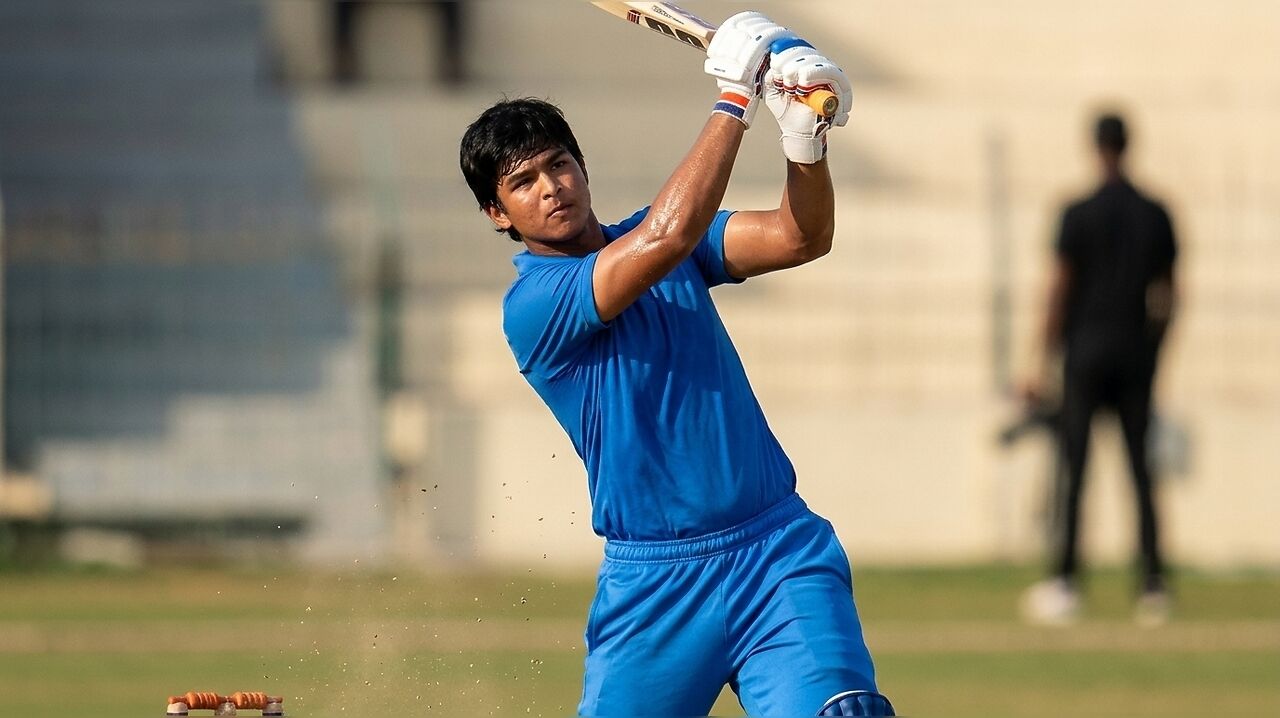
In a display of extraordinary power-hitting, 15-year-old
Sooryavanshi’s innings was a masterclass in clean hitting, as he dismantled the UAE bowling attack from the opening over. The youngster reached his half-century in a mere 16 balls, clearing the boundary eight times during that initial surge. He maintained his relentless momentum to reach the three-figure mark in just 28 deliveries, a feat that now stands as the
A Historic Assault on the Bowling Attack
The teenager’s innings was defined by its sheer dominance, featuring 13 sixes and four boundaries. His assault reached its climax in the seventh over when he struck Ibrar Ahmad for a boundary to bring up his century. This performance provided a vital spark for India A, who entered the match under significant pressure following a previous defeat to the Pakistan Shaheens in Group B.
The context of the match made the feat even more impressive, as India A were tasked with chasing a target of 250. The UAE had posted 249/8 in their 50 overs, anchored by a resilient 130 off 144 balls from Harpreet Singh Bhatia. Sooryavanshi’s rapid scoring ensured that India A remained firmly in contention throughout the early stages of their pursuit.
Reflecting on Iconic Power-Hitting Benchmarks
Sooryavanshi’s knock has drawn immediate comparisons to Suresh Raina’s famous 87 off 25 balls for the Chennai Super Kings against Kings XI Punjab in the 2014 IPL Qualifier 2. Raina’s innings, which included 12 fours and six sixes at a strike rate of 348, had long been considered one of the most iconic displays of hitting in Indian cricket. During that match, Raina famously took 33 runs off a single over from Parvinder Awana before being run out on the first ball of the seventh over.
While Raina’s effort remains a landmark moment in IPL history, Sooryavanshi has now eclipsed that tally in a different format and setting. By reaching 100 runs in 28 balls, the young batter has not only surpassed the total runs Raina scored in his famous cameo but has done so with a level of efficiency that sets a new benchmark for future generations of cricketers.