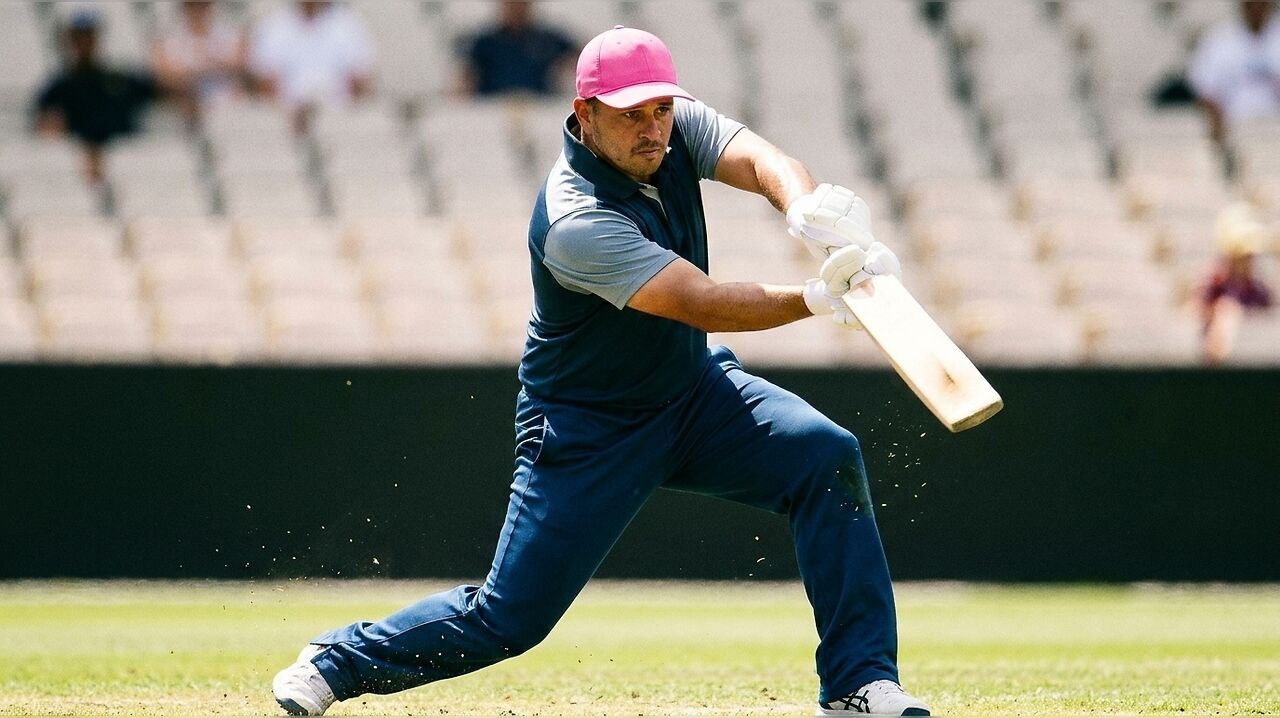
Former Australian Test opener
The diagnosis came in 2009 during the off-season while Khawaja was playing for New South Wales. At just 22 years old, the cricketer experienced severe pain in his left knee that left him struggling to walk even short distances. Reflecting on the onset of the condition during an interview with the ABC, Khawaja admitted the severity of the situation left him fearing for his future, noting that he genuinely believed his life was in jeopardy at the time.
Managing a hidden condition at the elite level
While medical staff and cricket officials were aware of his health status, Khawaja made a conscious decision to keep his condition private from his peers. Even close colleagues, including former teammates David Warner and Michael Hussey, remained unaware of the diagnosis throughout their time playing together. To maintain his physical ability to compete, Khawaja relied on a strict regimen of medication and regular injections to manage the disease.
He credited this medical intervention as the primary reason he was able to return to the sport just six months after his initial diagnosis. According to the former batter, the medication was essential not only for his professional career but for his ability to lead a normal life. By adhering to his treatment plan, he was able to sustain a high-level career that spanned over a decade at the international level.
A legacy of resilience and awareness
Khawaja’s international career began with his Test debut against England at the Sydney Cricket Ground in January 2011. Over the course of his 88-Test career, he accumulated 6,229 runs and 16 centuries. A notable highlight of his tenure occurred during the 2021-22 Ashes series, where he scored centuries in both innings of the Sydney Test. He eventually retired from
Now retired, Khawaja is sharing his story in his upcoming autobiography, titled Sabr. He hopes that by speaking publicly about his experience, he can provide encouragement to others living with autoimmune diseases. His message is one of persistence, aiming to demonstrate that a chronic diagnosis does not have to be an obstacle to achieving one's professional ambitions. By highlighting the challenges he faced behind the scenes, Khawaja intends to raise awareness about the realities of living with rheumatoid arthritis while pursuing a career in elite sport.