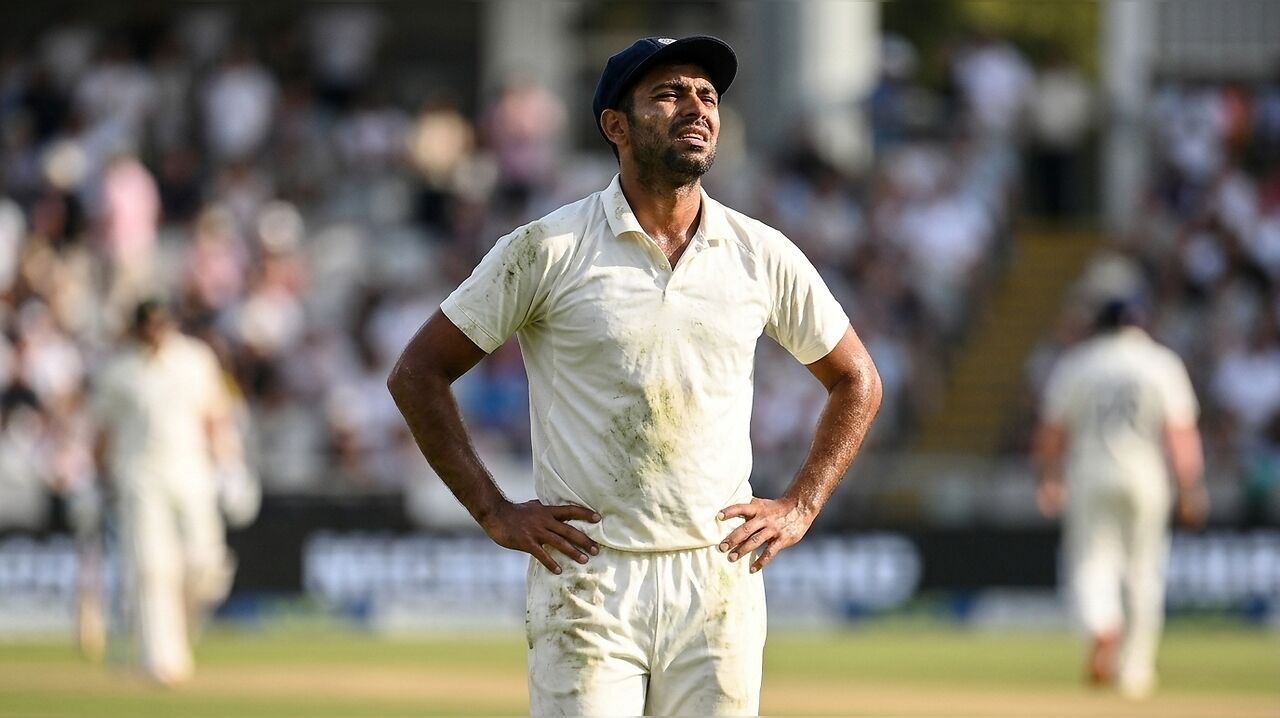
With New Zealand trailing by 113 runs and five wickets down, India had a window of opportunity to push for a win. Instead, the match ended with the hosts salvaging a draw, a result that Ashwin suggests reflects a departure from the aggressive mindset often associated with the team under previous leadership. He specifically pointed to the contrast in intensity, noting that the team should have remained focused on securing a result rather than allowing the game to drift.
Missed Opportunities and Tactical Intent
Reflecting on the final day, Ashwin highlighted the relaxed atmosphere on the field, noting that New Zealand batter Daryl Mitchell appeared comfortable despite the pressure of the situation. According to Ashwin, the lack of sustained aggression allowed the opposition to settle into a rhythm. He argued that India should have continued to hunt for wickets by utilizing spinners and employing more attacking field placements, even if it meant extending the workload for the bowling unit.
Addressing concerns about player fatigue, particularly with the second Test looming, Ashwin maintained that the demands of
Match Context and Final Stand
India had established a dominant position early in the contest, declaring their first innings at 702/9 after restricting New Zealand to 368. Entering the final day, the hosts were 119/2 and still trailing by 233 runs. Although India claimed three wickets—with Washington Sundar, Prasidh Krishna, and Anshul Kamboj finding success—the momentum stalled as the day progressed.
A pivotal moment occurred when a missed run-out opportunity involving Mitchell allowed the batter to remain at the crease. Mitchell, who finished unbeaten on 49 from 186 deliveries, and Glenn Phillips, who contributed an undefeated 26 from 126 balls, successfully navigated the final overs. The pair faced 259 balls together, ensuring New Zealand reached 239/5 by the close of play, ultimately denying India a victory despite their earlier control of the match.