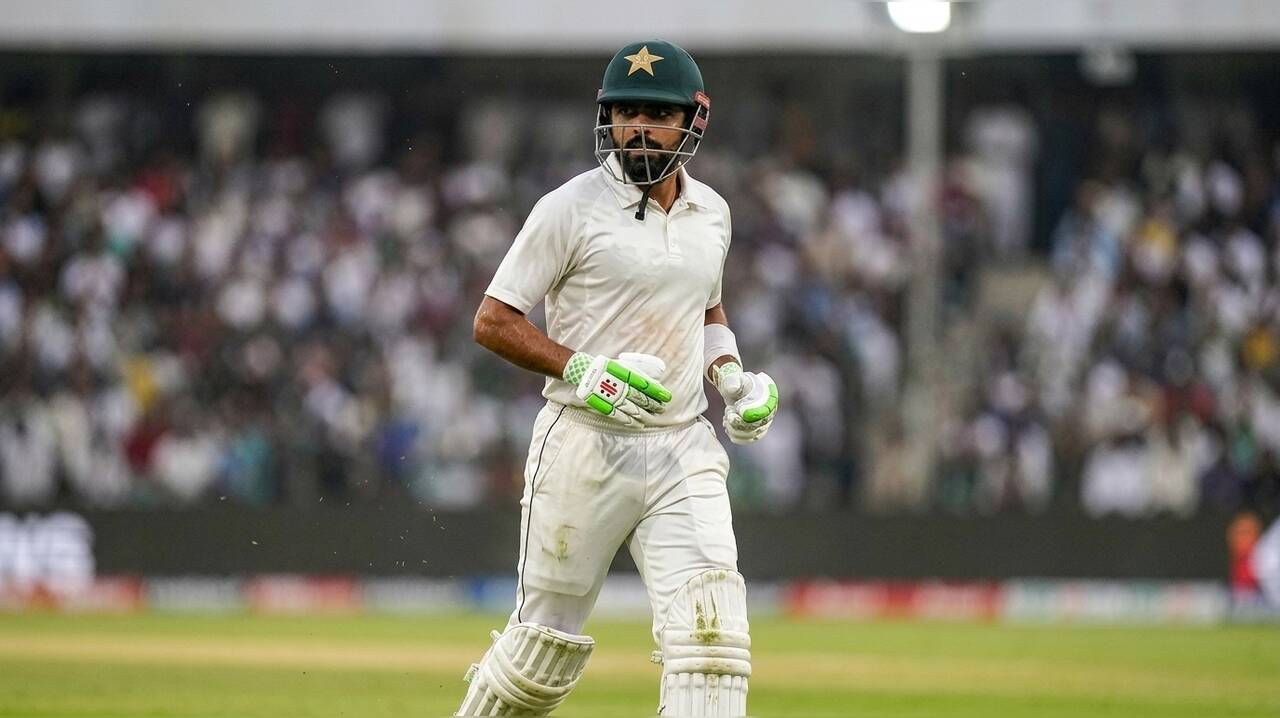
Pakistan’s attempt to reset their fortunes in the third Test against England at Edgbaston resulted in a disastrous opening session, as the visitors crumbled to seven wickets down for less than 100 runs. The collapse came immediately after a week of intense scrutiny following a heavy defeat at Lord's, leaving the team in a precarious position despite a significant reshuffle of their playing squad.
Heading into the match, captain
A turbulent week and a failed tactical shift
In a bid to spark a turnaround, the Pakistan team management opted for a major overhaul, introducing four changes to the side that featured at Lord's. This bold selection strategy included handing Test debuts to three players, alongside the return of Saim Ayub to the starting XI. The
The batting lineup struggled to find any rhythm against the English attack, with wickets falling at regular intervals throughout the opening session. The captain himself was unable to anchor the innings, departing for just seven runs. This rapid loss of wickets quickly overshadowed the pre-match narrative of ignoring outside distractions, as the scoreboard itself became the primary subject of discussion.
Struggles persist despite personnel changes
The early-morning collapse at Edgbaston has raised questions about whether changing the personnel is enough to address the team's deeper issues. While the inclusion of debutants was framed as a long-term opportunity for growth, the immediate reality for Pakistan is a struggle to compete in the current series. With the top and middle order failing to establish any meaningful partnerships, the side finds itself fighting to remain relevant in the Test match.
As the team looks to recover from this latest setback, the focus remains on whether the new-look squad can show resilience in the remainder of the match. For now, the decision to overhaul the XI has not yet provided the immediate competitive boost the team required to silence their critics.