

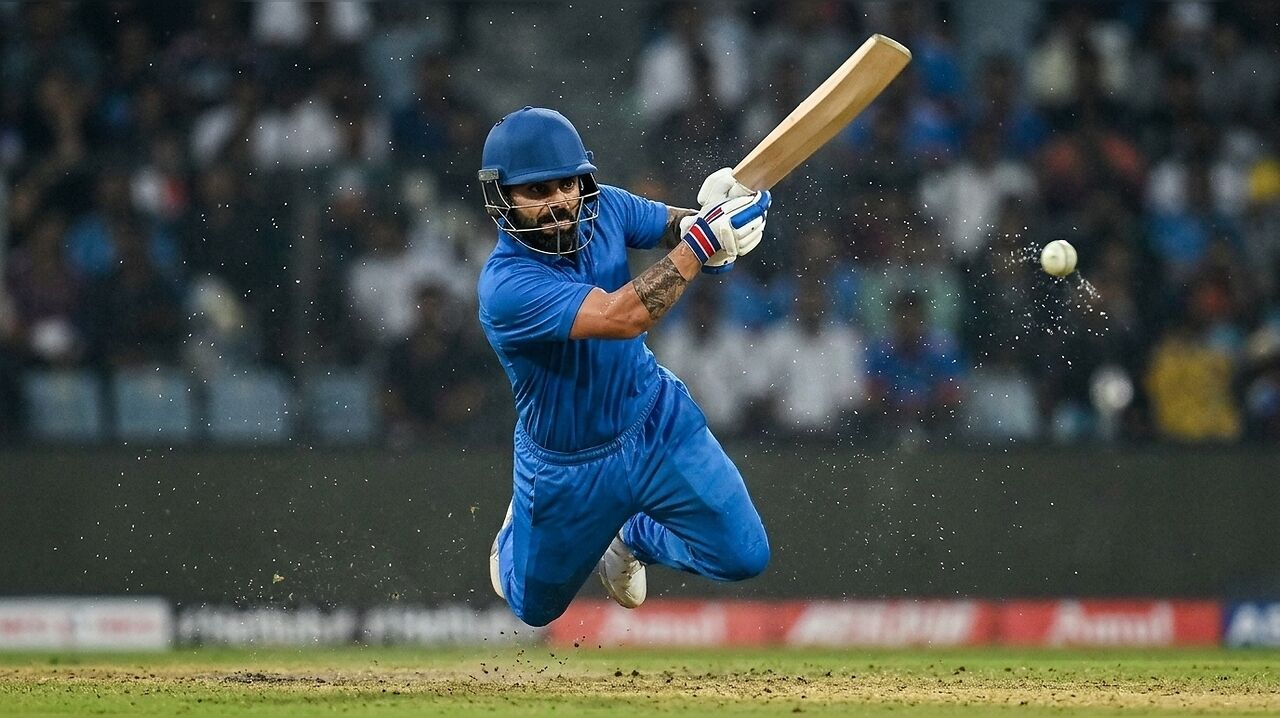
Cricket often delivers stark contrasts, and the second ODI at Hnry Stadium provided a dramatic shift from the high-scoring encounters seen earlier in the tour. While the third T20I recently featured an explosive 113-run performance from Abhishek Sharma, India’s batting lineup found themselves on the wrong side of the same number in a rain-curtailed contest on Saturday.
Chasing a target that appeared manageable at the midway point, India faltered significantly against a disciplined and hostile New Zealand bowling attack led by
Tactical struggles and batting collapses
India’s pursuit was hampered by a series of loose shots and an inability to counter the sustained pressure applied by the New Zealand bowlers. Shubman Gill fell early, while Virat Kohli and Rohit Sharma both struggled to find their rhythm, eventually departing after playing rash shots. The pressure mounted as the visitors failed to adapt to the testing conditions, with the batting order looking vulnerable against the short-pitched deliveries employed by the hosts.
A significant talking point emerged when the team management sent Axar Patel in at number five following the dismissal of Rohit in the ninth over. Despite the team's stated intent to use the left-hander to break up the right-hander monotony in the lineup, the decision to promote him ahead of a specialist batter like KL Rahul faced scrutiny. Axar, who had struggled with similar short-pitched deliveries in the series opener, was again peppered with bouncers and eventually perished while attempting a cut shot.
Contrast in conditions and performance
While his teammates struggled, KL Rahul appeared the most composed, managing the bounce and controlling his pulls effectively. Shreyas Iyer also attempted to counter-attack, but his efforts were cut short by a well-directed delivery. This struggle mirrored the first innings, where the New Zealand batters also found themselves at sea against Gurnoor Brar and the Indian bowling attack.
The match served as a stark reminder of how quickly conditions can change. Only days prior, the teams were involved in a high-scoring affair where 397 runs were amassed in just 33.2 overs. Reflecting on the volatility of the series, Iyer noted the difficulty of batting when the ball is seaming, highlighting the contrast between the recent run-fest and the challenging conditions faced in this second ODI. Ultimately, the match underlined the disparity between the explosive batting displays seen earlier in the tour and the disciplined, difficult cricket required to succeed on a testing Wellington surface.
