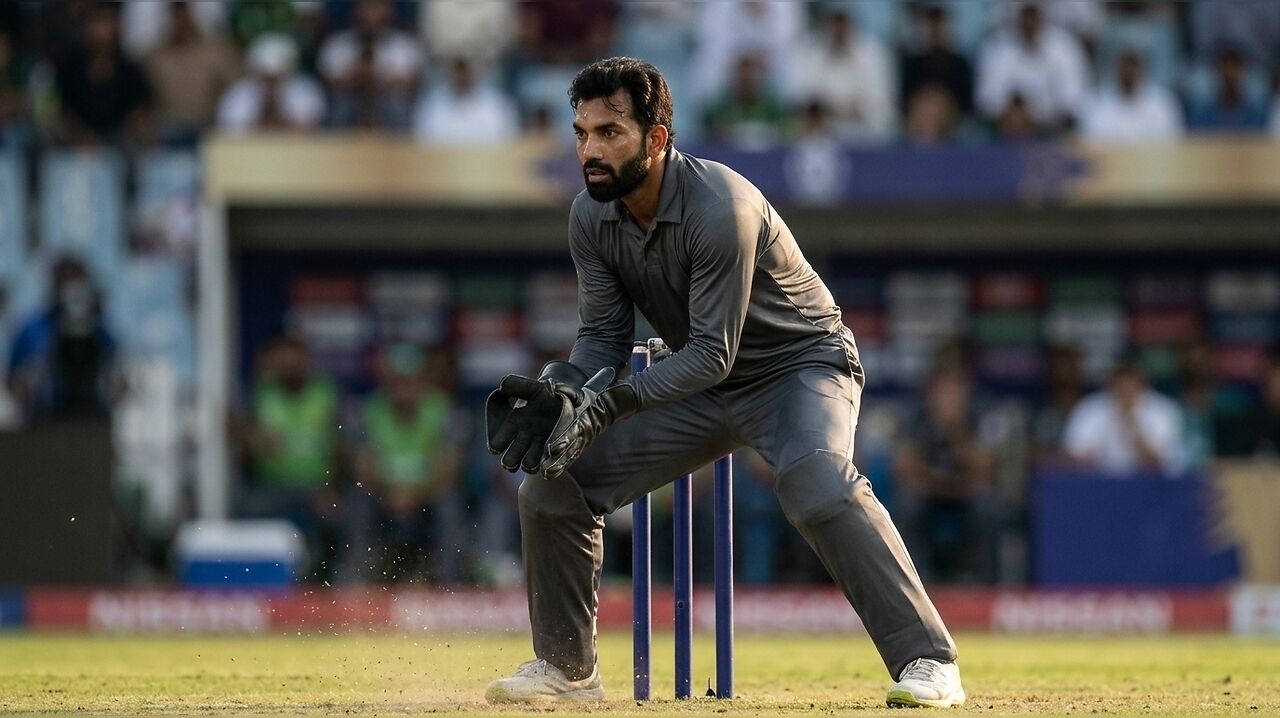
Pakistan wicketkeeper-batter
Rizwan’s inquiry, submitted via the official ICC ACU portal, focuses on the procedural aspects of the case. According to reports, the former white-ball captain is seeking to understand whether the ICC or the England and Wales Cricket Board (ECB) had any involvement in the agency's actions. His request is reportedly aimed at determining if the handling of his device—including its transfer from England to Pakistan and subsequent forensic examination—aligns with the established protocols of the ICC Anti-Corruption Code.
Legal challenges and court proceedings
The request to the ICC comes shortly after the Lahore High Court dismissed a petition filed by Rizwan that challenged the notices issued to him by the NCCIA. During the court proceedings, Rizwan’s legal counsel, Qazi Umair Ali, detailed the circumstances surrounding the initial seizure of the phone. The court was informed that the cricketer was approached in a hotel lobby following the Lord’s Test in England and questioned without prior notice. Counsel stated that the device was taken under the assurance that it would be returned within three hours, a commitment that has not yet been fulfilled.
Rizwan’s legal team had previously questioned the jurisdiction of the NCCIA, arguing that the ICC’s own anti-corruption framework serves as the appropriate body for addressing potential violations by players. Following the dismissal of the petition, the court instructed the cricketer to comply with the NCCIA’s notice.
Ongoing investigation into Pakistan cricket
The NCCIA investigation remains active, with the agency probing allegations of online gambling and unauthorized leaks of team information. Both Mohammad Rizwan and teammate Imam-ul-Haq have already appeared before the agency in Lahore as part of the inquiry. To date, no official findings or charges have been announced against either player. Through his outreach to the ICC, Rizwan is also seeking guidance on his future obligations and the appropriate steps to take while cooperating with anti-corruption authorities.