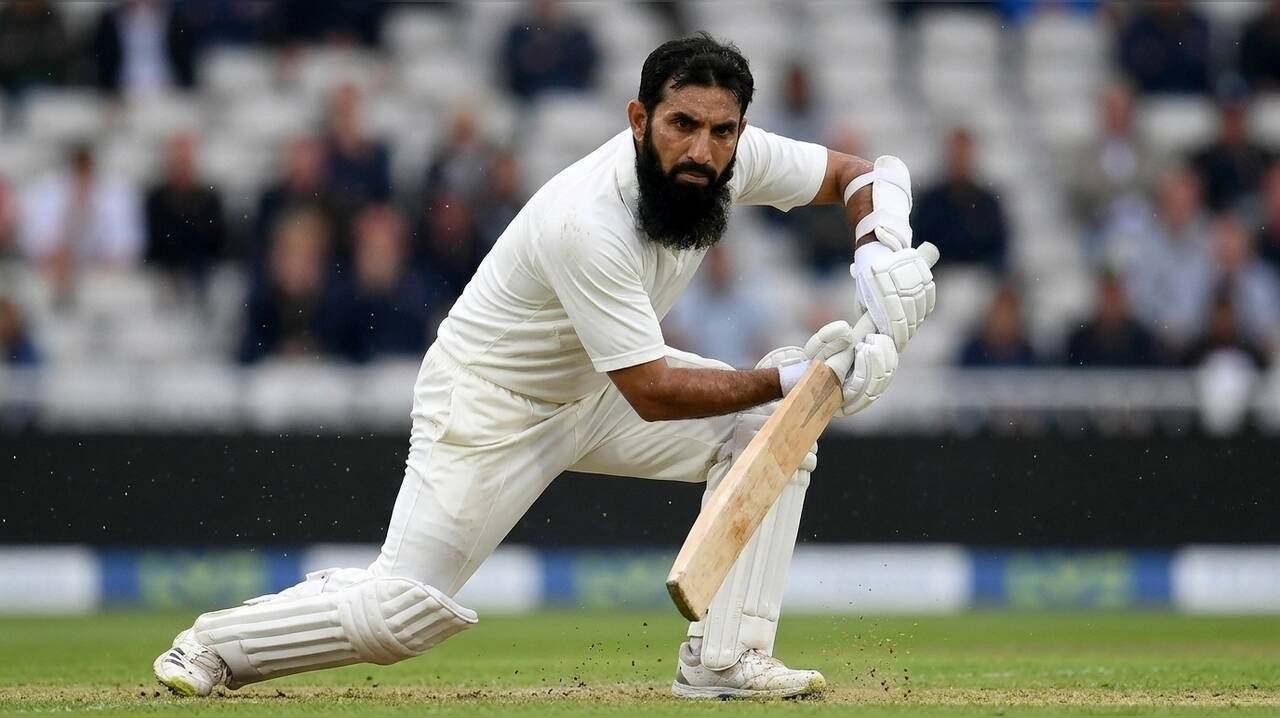
Former Pakistan Test captain
The upheaval within the national setup was compounded by the PCB issuing show-cause notices to every member of the selection committee. As part of the restructuring, head coach Sarfaraz Ahmed and bowling coach Umar Gul were released from the Test squad, with the board opting to send white-ball players to England to complete the remainder of the series.
Allegations of Double Standards and Reactive Governance
Speaking on a television broadcast, Misbah highlighted what he perceives as a systemic bias within Pakistan cricket regarding the treatment of coaching staff. He argued that while the appointment of overseas coaches is not inherently problematic, there is a clear disparity in how they are held accountable compared to their local counterparts. According to the former captain, foreign coaches often enjoy greater authority and face significantly less scrutiny when the team fails to deliver results.
Misbah expressed frustration at the PCB’s tendency to implement what he described as cosmetic surgery in response to pressure. He warned that such knee-jerk reactions fail to address the root causes of the team's struggles and instead create further instability. He maintained that the board must move away from reactive decision-making, advocating instead for a thorough analysis of performance and a commitment to long-term strategic planning.
Systemic Comparisons and the Need for Stability
Drawing parallels with the development of the Indian cricket system, Misbah noted that India’s sustained success is the result of decades of gradual investment and structural planning that began in the 1990s. He pointed to the development of players like Virat Kohli and Rohit Sharma as evidence of a system that prioritises long-term growth over quick fixes.
Misbah further identified a lack of red-ball exposure as a critical issue for Pakistan’s younger players, noting that an over-reliance on white-ball cricket leaves them ill-equipped to handle the pressures of the Test format. He concluded that without a shift toward consistent investment and increased opportunities in four-day cricket, the national team will continue to struggle under pressure. His departure from the selection committee underscores the growing friction between the board’s current administrative approach and the need for a more stable, patient development strategy.