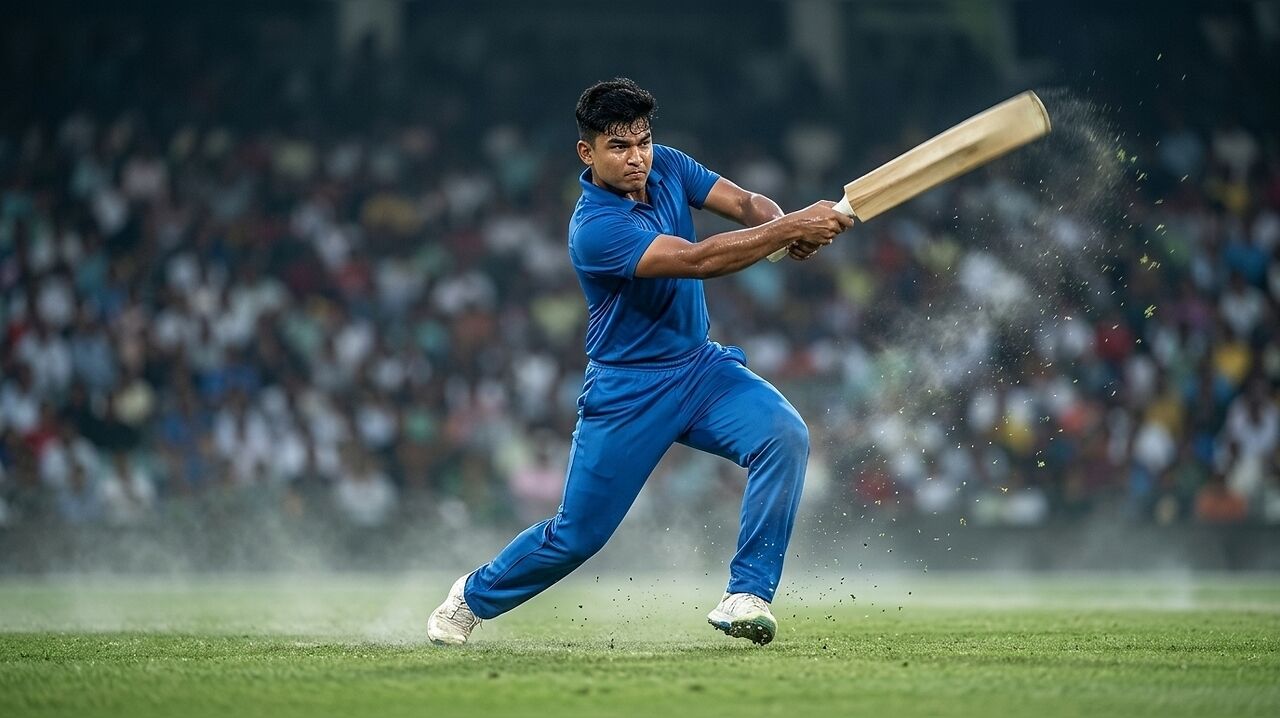
The last time Kishan featured in an international fixture at this venue was in January 2023 against New Zealand. Since that defeat, his career trajectory has seen significant shifts, and he now arrives in Ranchi as a re-established member of the squad, eager to help India secure a 2-0 series lead.
Tactical adjustments and selection dilemmas
India’s batting coach, Sitanshu Kotak, emphasised that the team will maintain their aggressive, team-first philosophy despite the change in venue. However, the Ranchi pitch presents a different challenge compared to the series opener. Historically, the ground has not been a high-scoring venue, with the 200-run mark remaining elusive across four previous T20Is. India’s 196/6 against Sri Lanka in 2016 stands as the highest total recorded at the stadium.
Environmental factors, including potential rain and the onset of evening dew, are expected to influence team selection. With temperatures forecasted between 22°C and 24°C, the management faces a decision regarding their bowling attack. Mayank Yadav, who proved expensive in the first match, is under scrutiny, with Prince Yadav emerging as a potential replacement. Furthermore, the effectiveness of India’s spin options—including Axar Patel, Kuldeep Yadav, Ravi Bishnoi, and Naman Dhir—could be hampered if heavy dew makes the ball difficult to grip during the second innings.
Pressure mounts in the batting order
Beyond the tactical considerations, the spotlight is firmly on
On the opposing side, West Indies bowling coach Ravi Rampaul acknowledged that his youthful bowling unit, largely comprised of players with fewer than 20 international caps, struggled with consistency in the series opener. The visitors will be aiming for a more disciplined performance as they look to level the series in Ranchi.