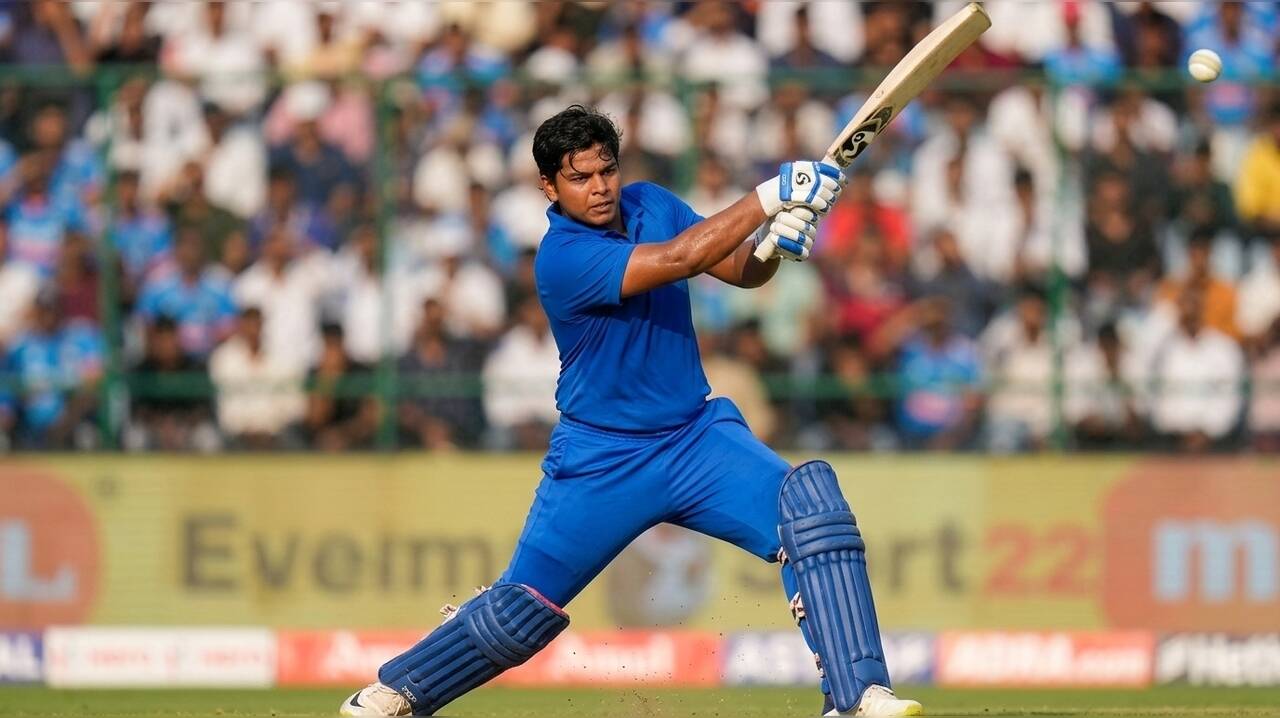
The opening match of the T20I series between India and Afghanistan at the Arun Jaitley Stadium brought the ongoing selection debate regarding the Indian top order into sharp focus. Despite the high expectations surrounding 15-year-old prodigy
At the toss, captain Shreyas Iyer described the process of choosing between Samson, Sooryavanshi, and
Performance and Tactical Implications
Sanju Samson, selected to open the batting, struggled to capitalize on his opportunity. He managed only 10 runs from eight balls before being dismissed by Azmatullah Omarzai, caught by Darwish Rasooli at deep square leg. His brief stay stood in stark contrast to the explosive performance of Abhishek Sharma, who anchored the chase with a blistering 82 off 32 deliveries. Sharma’s knock, which earned him the Player of the Match award, underscored the aggressive intent the team has been striving to maintain in the shortest format.
The decision to sideline Sooryavanshi is particularly contentious given his recent form. While Samson has struggled for consistency—posting single-digit scores against Ireland and in the first T20I against England—Sooryavanshi has demonstrated significant potential. During the tour to Zimbabwe, where he was the primary choice, the teenager amassed 151 runs across three matches at an impressive strike rate of 196.10. By contrast, his initial introduction to the international setup yielded 42 runs in three matches, a period that now appears to be a learning curve rather than a reflection of his ceiling.
Looking Ahead to 2026
The exclusion of the 15-year-old raises questions about India's long-term vision for the T20I format. With a packed schedule ahead, including fixtures against Japan, the Asian Games, and series against the West Indies, New Zealand, and Sri Lanka, the team faces a critical juncture in balancing experience with youth. The current approach, which favors the established presence of players like Samson, risks stifling the growth of a talent specifically fast-tracked for his unique, no-holds-barred approach to the game.
As the series against Afghanistan continues, the management will likely face continued pressure to justify their selection hierarchy. While the team remains committed to a dominant style of play—a philosophy echoed by Varun Chakaravarthy, who noted the batting lineup's proficiency against spin—the absence of Sooryavanshi suggests a lingering hesitation in fully committing to the next generation of Indian cricket. Whether the team will pivot back to the teenager for the remainder of the series remains to be seen, but the debate over his role is unlikely to subside.