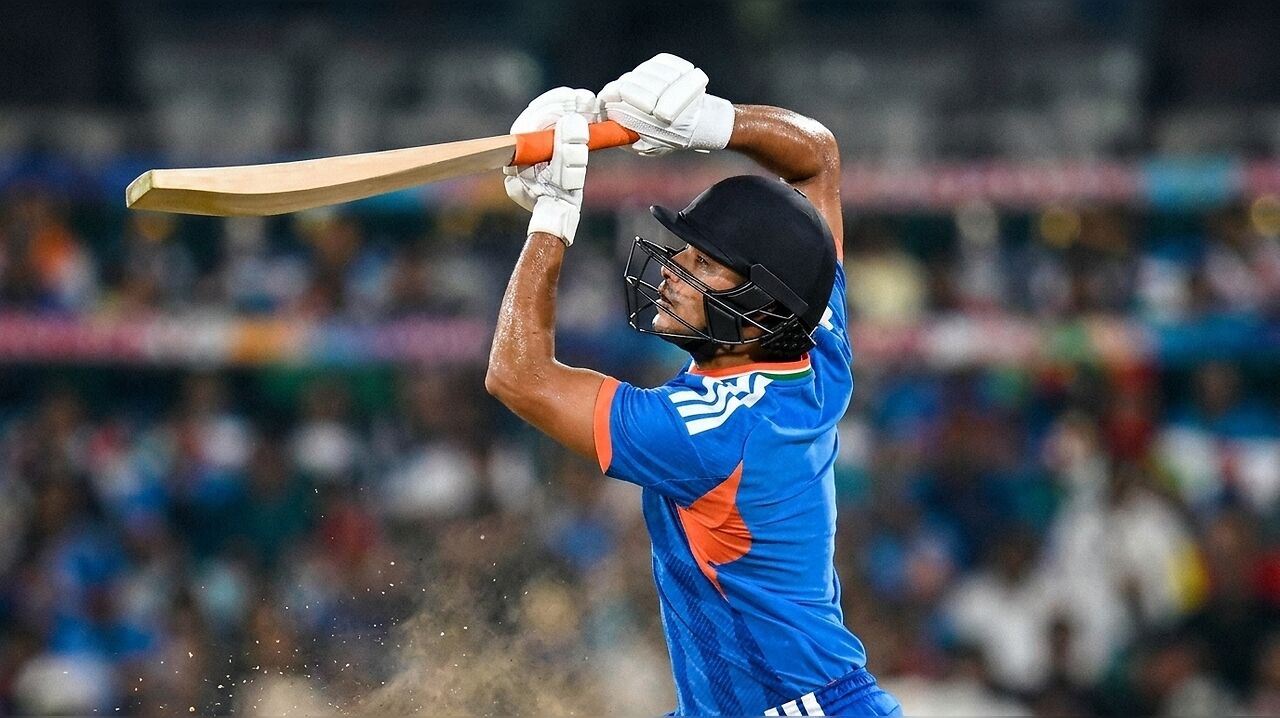
India has officially redefined the boundaries of modern T20I cricket, becoming the first international side to clear the ropes 400 times in a single calendar year. The historic milestone was reached during a recent series against New Zealand, when
The surge in power-hitting has been a cornerstone of India’s recent success, including a 3-2 series victory over New Zealand where the hosts dominated the boundary count, striking 142 sixes compared to the visitors' 61. This disparity alone accounted for a 486-run difference in the series. The aggressive intent is most evident in the Powerplay, where India has smashed 145 sixes in the first six overs, becoming the only team to surpass the 100-run mark in that phase twice this year.
A Shift in Philosophy and Skill
The statistical dominance is driven by a top-heavy batting lineup, with Abhishek Sharma leading the charge with 86 sixes, followed by Ishan Kishan and Sanju Samson. According to power-hitting coach Julian Wood, this is not merely a result of favorable conditions but a fundamental evolution in how Indian batters approach risk. Wood argues that rather than managing risk in the traditional sense, the current crop of players has mastered the technical skills required to attack length deliveries, leaving bowlers with almost no margin for error.
This sentiment is shared by Sunrisers Hyderabad batting coach Hariesh Jaikumar, who credits the rise in performance to a culture of fearless cricket. Jaikumar notes that the modern batter no longer carries the inhibitions of previous generations, allowing them to dominate from the first ball. This shift has seen a move away from relying on designated finishers to provide late-game momentum, with teams now prioritizing aggressive hitters at the top of the order to maximize their time at the crease.
The Future of T20 Batting
The tactical evolution has fundamentally changed the role of the modern cricketer. Wood suggests that the game is moving toward a future where the entire top eight consists of players who prioritize attacking from the outset. This aggressive mindset, which has already seen India secure back-to-back T20 World Cup titles, is expected to continue influencing other formats, including ODI and Test cricket, by encouraging a more proactive scoring approach.
As India prepares for their upcoming three-match T20I series against Sri Lanka in December, the team remains firmly ahead of the curve. With 400 sixes already in the books, the focus remains on maintaining this high-octane style of play that has effectively turned T20I cricket into a new, more aggressive beast.