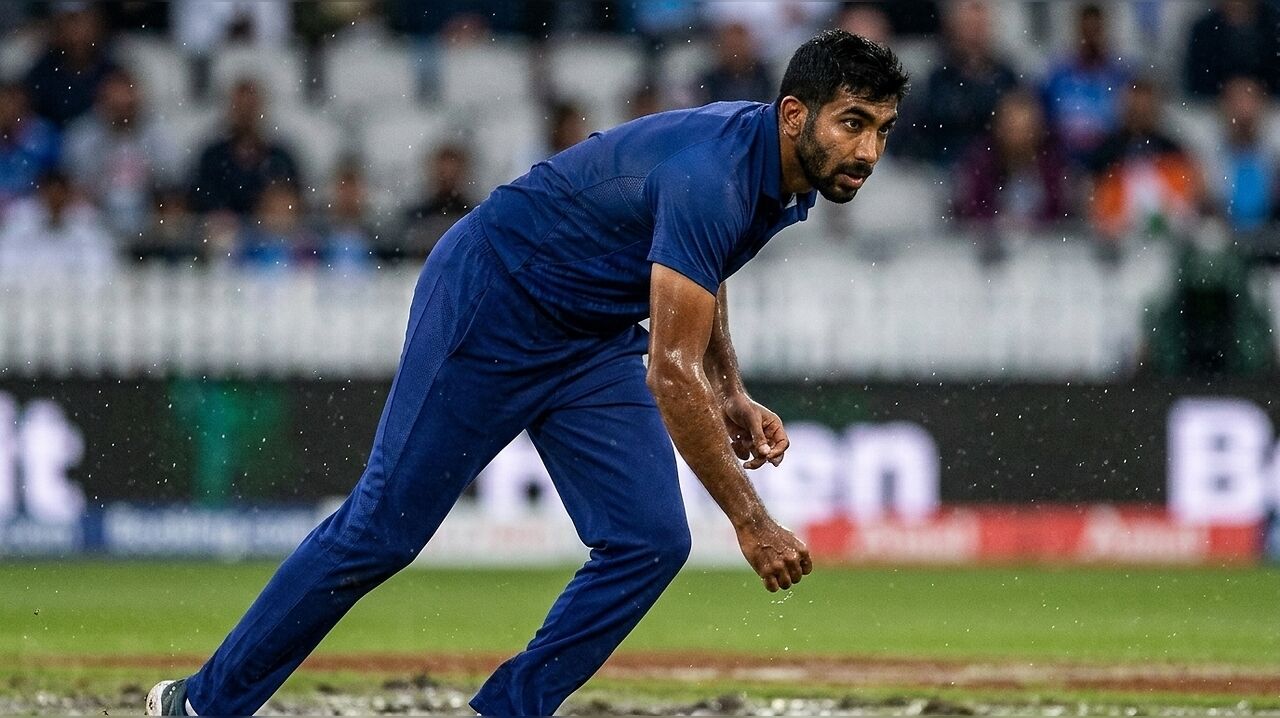
India has etched its name into the record books by becoming the first men's cricket team to reach 200 victories in T20 Internationals. The landmark achievement was secured in dramatic fashion during a rain-shortened, one-off fixture against Japan in Sano, where the world champions narrowly defended a modest total to clinch a two-run win.
The match, reduced to just five overs per side due to inclement weather, proved to be a stern test for the visitors. After being sent in to bat, India struggled to find rhythm on a damp surface, posting a total of 32/4. Despite the low target, Japan pushed the visitors to the limit, finishing their chase on 30/3 as India’s bowling attack held firm under immense pressure.
A milestone built on rapid progression
This victory marks a significant statistical milestone for Indian cricket, which has seen its T20I success rate accelerate over the last two decades. India’s journey to the 200-win mark began in 2006 with a victory against South Africa in Johannesburg. The team reached its 50th win in 2017, hit the century mark in 2022, and celebrated its 150th victory earlier this year.
The efficiency of this progression is notable, as the team required 83 matches to secure their first 50 wins, but only 66 matches to move from 150 to 200. With this result, India now sits at 200 wins from 291 matches, extending their lead over Pakistan, who currently hold 174 wins from 299 outings. New Zealand, South Africa, and England follow in the all-time standings.
Spinners dominate in Sano thriller
The conditions in Sano heavily favored the bowlers, with Japan’s spinners effectively stifling India’s batting lineup. Charlie Hara Hinze, Ibrahim Takahashi, and Benjamin Ito-Davis all claimed wickets, restricting India to just three boundaries throughout their five-over innings. Captain Shreyas Iyer provided the highest contribution with 16 runs.
Japan’s pursuit of 33 runs remained competitive until the final delivery. Washington Sundar proved pivotal with the ball, finishing with figures of 2/13. With eight runs required off the final six balls, Axar Patel delivered a disciplined final over, conceding very little to the Japanese batters. A late moment of tension occurred when an initial wide call was overturned following an appeal from Iyer, ultimately sealing the two-run victory for India. While the result secured a historic milestone for the visitors, the performance highlighted the growing competitiveness of the Japanese side in the shortest format of the game.