The Indian cricket team’s tour of New Zealand has concluded with significant questions surrounding their batting depth and technical proficiency in challenging conditions. Throughout the five-match
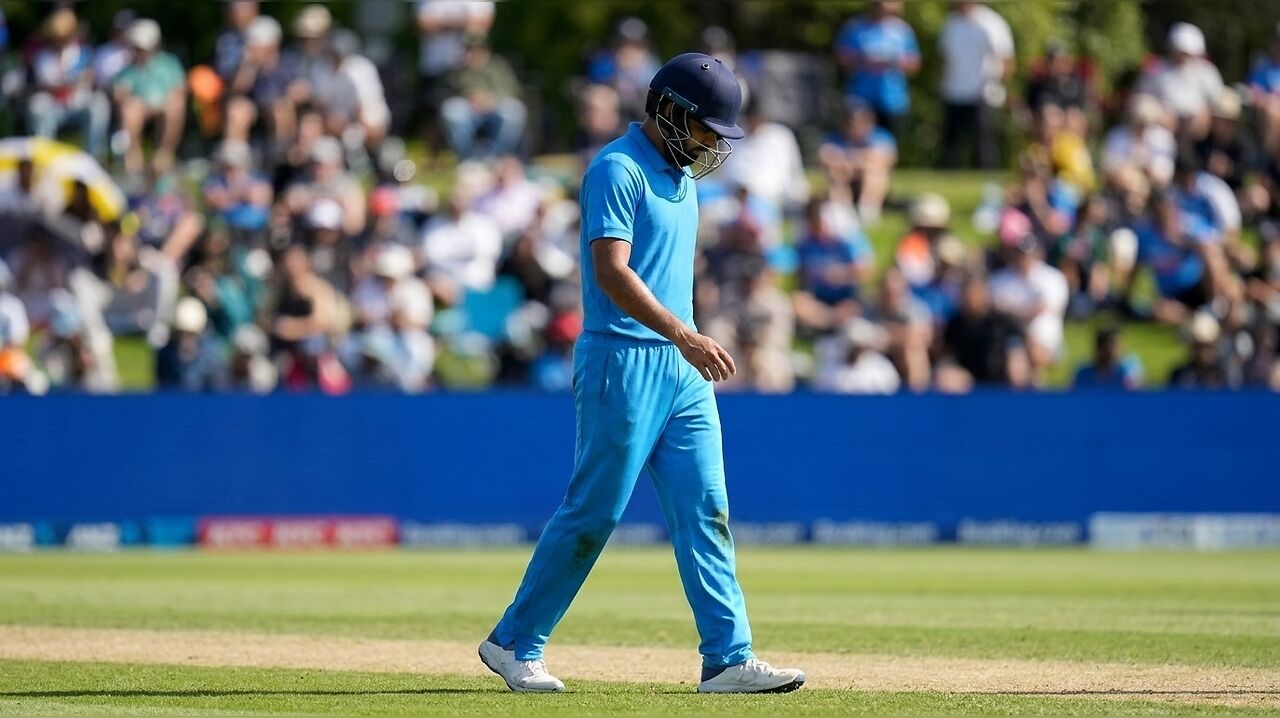
The frustration was palpable at the Bay Oval in Mount Maunganui, where spectators witnessed yet another collapse. Despite the favorable weather, the Indian batting unit failed to capitalize, with senior players and emerging talents alike falling cheaply. The inability to occupy the crease for extended periods became a defining characteristic of the series, overshadowing any individual efforts and raising alarms about the team's readiness for upcoming global tournaments.
A Historic Batting Slump
The statistical reality of the series highlights the severity of the struggle. For the first time since 1985, no Indian batter managed to accumulate 100 runs across a five-match ODI series.
Head coach
Reflecting on the Road Ahead
The final fixture at the Bay Oval offered little respite, as the team’s approach remained inconsistent. Questionable shot selection and a lack of patience against the short ball saw the wickets tumble with regularity. While the team managed a 22-run victory in the final match—posting 209 all out before restricting the hosts to 187—the underlying issues remain unresolved. Axar Patel and Ishan Kishan provided some resistance with 46 runs each, but the overall performance did little to mask the frailties exposed throughout the tour.
As the team looks toward future series against Sri Lanka and Zimbabwe, the focus must shift to introspection. The management faces the difficult task of rectifying these technical shortcomings before the World Cup. For the fans who traveled to New Zealand, the series served as a stark reminder of the challenges inherent in playing away from home, leaving the squad with a clear mandate to address their vulnerabilities before the next major international assignment.