

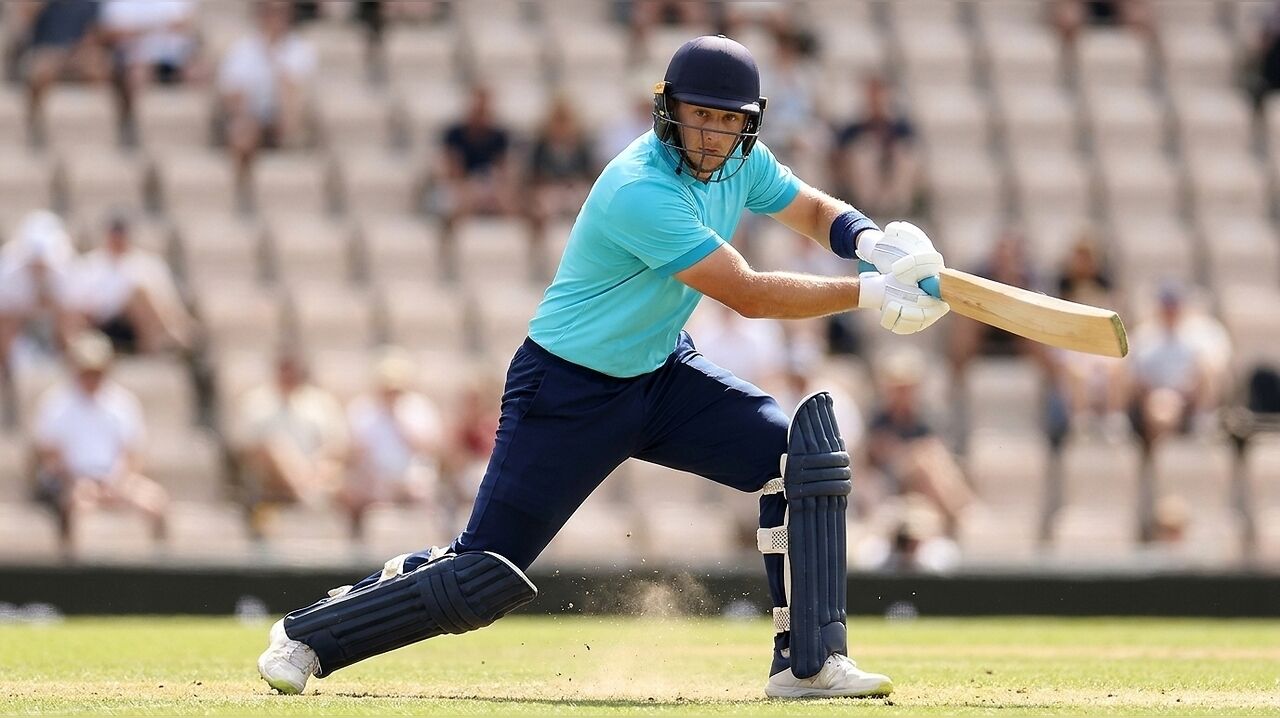
Batting at No. 3 after Australian captain Mitchell Marsh opted to field first, Root anchored the innings with a composed 62 off 68 deliveries. He reached his landmark 50th half-century in just 50 balls during the 22nd over, further cementing his status as England’s leading run-scorer in the format. With this latest achievement, Root now boasts a total of 70 scores of 50 or more—comprising 20 centuries and 50 fifties—across his 201 ODI appearances.
A Landmark Performance in a Dominant Team Display
Root’s historic milestone was the cornerstone of a formidable batting display that saw England post 355/6. After the early loss of Ben Duckett, Root combined with Tom Banton for a crucial 135-run partnership. Banton was the standout performer, striking 121 off 99 balls to secure his second ODI century. Following Root’s departure, Jordan Cox and Will Jacks maintained the momentum with a 102-run stand, with Jacks finishing unbeaten on 54.
The total proved far beyond Australia’s reach. England’s bowling attack, spearheaded by Gus Atkinson, dismantled the hosts' top order early. Atkinson claimed 4/28, leaving Australia reeling despite a 98-run recovery effort from Matt Renshaw, who scored 63, and Cameron Green, who added 64. Regular strikes from Liam Dawson and Sam Curran ensured the pressure remained on the hosts, who were eventually bowled out for 220 in 44.3 overs.
Looking Ahead to the Series Decider
The 135-run win marks a significant turnaround for England, who had suffered a heavy defeat in the series opener at Perth. By levelling the five-match series at 1-1, the tourists have set up a high-stakes decider in Hobart this Wednesday.
Reflecting on the victory and the road ahead, Root emphasized the importance of these pressure-filled encounters with the 2027 ODI World Cup on the horizon. He noted that playing in matches where the series outcome is on the line provides invaluable experience for the squad. Root currently sits comfortably ahead of other English greats in the half-century rankings, with Eoin Morgan finishing his career on 42, followed by Ian Bell with 35 and Jos Buttler with 30.
