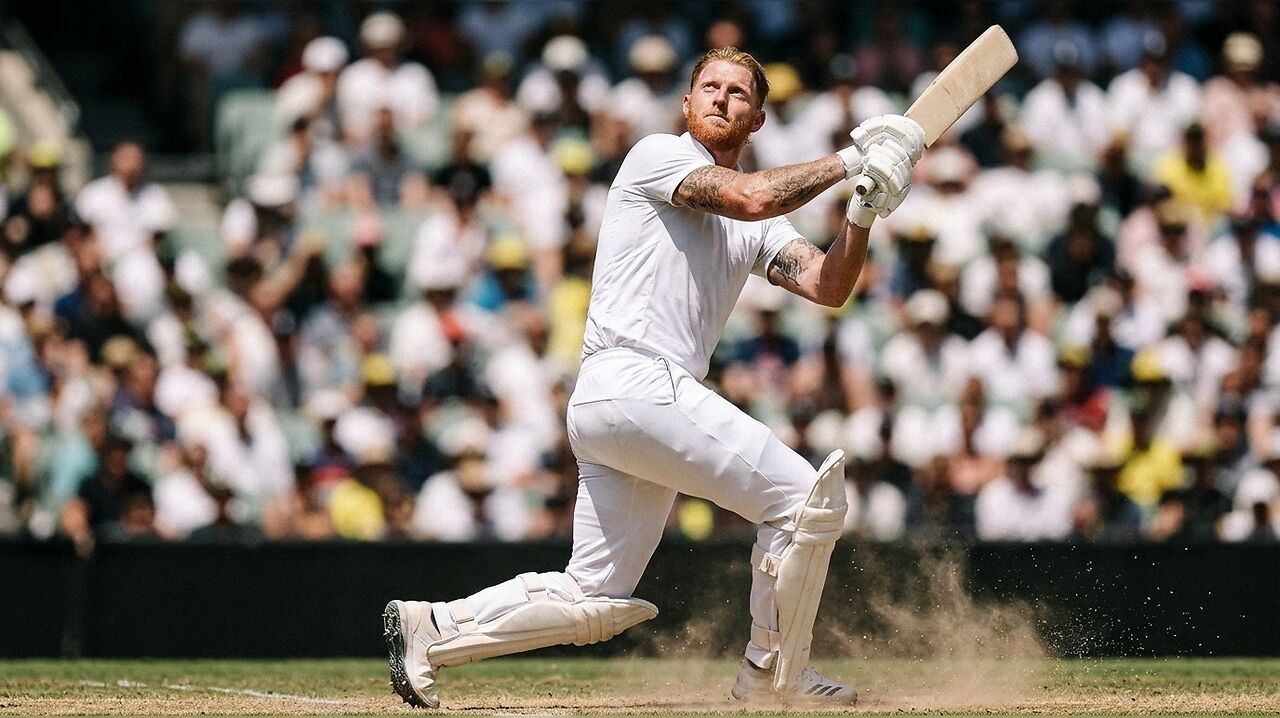
The landscape of the Indian Premier League player auction has shifted, with two prominent England stars finding themselves in starkly different positions ahead of the 2027 cycle. While former England captain
The disparity in their eligibility stems from the specific circumstances surrounding their previous absences from the league. While Stokes opted not to enter the 2025 mega-auction to focus on his international workload, Brook withdrew from the tournament after being successfully signed by the Delhi Capitals during that same auction. This distinction between non-registration and post-auction withdrawal has resulted in vastly different outcomes for the two players.
Understanding the BCCI Eligibility Regulations
The BCCI implemented a specific mandate prior to the 2025 mega-auction to ensure greater stability for franchises. The regulation stipulates that any overseas player who fails to register for a mega-auction becomes ineligible for the subsequent year's auction. Because Stokes chose to skip the 2025 event to manage his fitness and international commitments, he was barred from the 2026 mini-auction. However, with that one-year restriction now served, the all-rounder has regained his eligibility and has entered the 2027 mini-auction with a base price of Rs 2 crore.
In contrast, Brook’s situation is governed by a much harsher penalty. After being purchased by the Delhi Capitals for Rs 6.25 crore in 2025, the batter withdrew from the competition before the season commenced. Under current rules, any player who withdraws after being secured in an auction faces a mandatory two-season ban from both the tournament and future auctions. Consequently, Brook is sidelined for both the 2026 and 2027 seasons and will only be eligible to return to the IPL fold after the 2027 campaign concludes.
The Rationale Behind Stricter Player Penalties
The BCCI introduced these rigorous measures in response to growing frustration among IPL franchises. Historically, teams faced significant disruption when high-profile overseas players withdrew shortly before the season, leaving them with minimal time to secure adequate replacements. The new policy aims to protect franchise investments and ensure that squads remain intact once contracts are finalized.
These rules do, however, provide an exemption for players who withdraw due to verified medical conditions or injuries. This is evidenced by the case of Sri Lankan all-rounder Wanindu Hasaranga, who missed the 2024 and 2026 seasons due to a hamstring injury. Because his absences were medically documented, he has avoided the two-season ban and has successfully registered for the 2027 mini-auction at a base price of Rs 2 crore. Other players, such as Ben Duckett, have not been as fortunate; Duckett faces the two-season penalty after withdrawing from his 2026 commitment with the Delhi Capitals to prioritize international duties.