

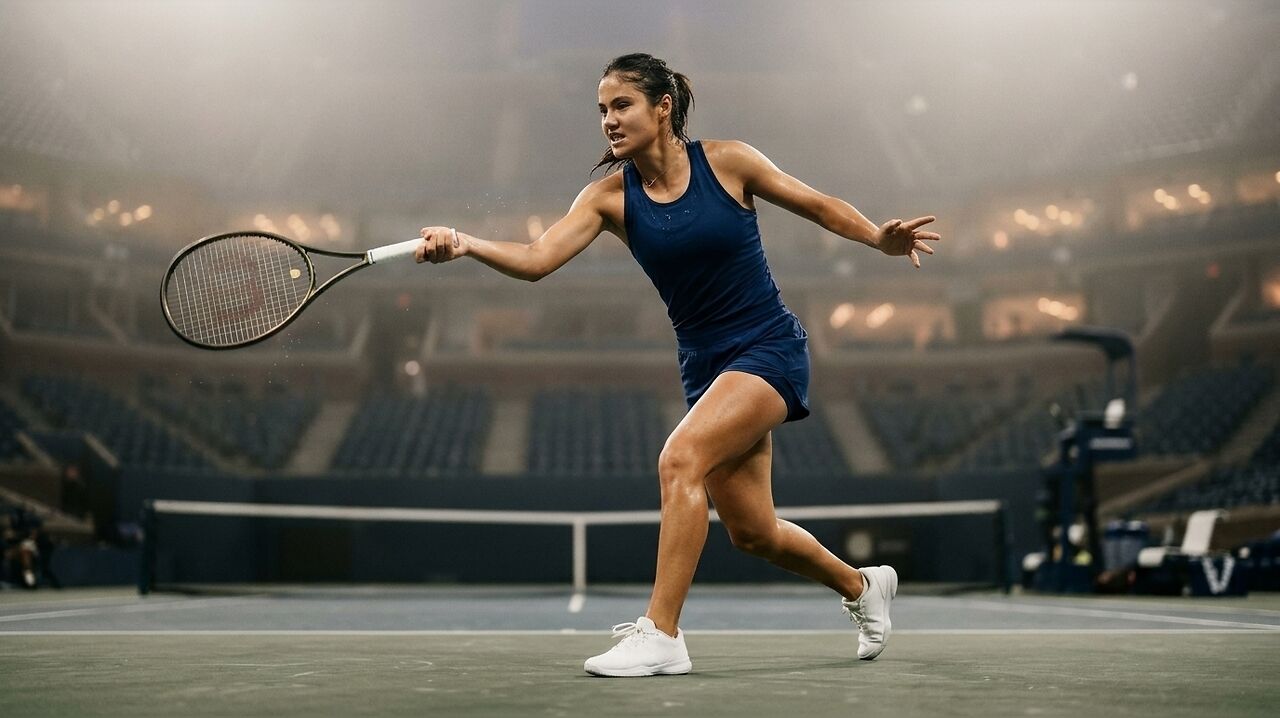
The WTA 250 Chennai Open singles final became the subject of intense scrutiny following a series of delays that ultimately forced the match to be rescheduled for Monday morning. Originally slated for a 6:30 p.m. start on Sunday, the championship clash between
While rain initially caused three separate delays, the situation grew more complex once the skies cleared. Although the centre court at the SDAT stadium was prepared for a 9 p.m. start, the air quality in the vicinity had plummeted to hazardous levels due to smoke from Deepavali firecrackers. The resulting smog rendered the conditions unsuitable for play, leading to the eventual decision to postpone the final until 11 a.m. the following day, where Linette ultimately secured victory over Tjen in three sets.
Criticism of Tournament Management and Decision-Making
The handling of the scheduling drew sharp criticism from those involved in the tournament. Christopher Bint, coach to the defending champion Tjen, took to social media on Sunday night to express his frustration. In an Instagram story, Bint shared a screenshot indicating an Air Quality Index (AQI) of 1556 in Chennai, questioning the organisers' insistence on pushing forward with the match despite the dangerous atmosphere.
Following the conclusion of the match on Monday, Bint reiterated his stance, suggesting that the decision to postpone should have been made much earlier in the evening. His sentiments were echoed by the eventual winner, Magda Linette. The 34-year-old Polish player pointed to the scheduling of the doubles final, which had commenced at 4 p.m. on Sunday, as a missed opportunity to alleviate the pressure on the programme. According to Linette, moving the doubles final to an earlier slot would have provided the necessary buffer to navigate the evening's complications.
Tournament director Hiten Joshi defended the process, explaining that the decision-making was subject to strict protocols. He noted that in emergency situations, the tournament supervisor, Sheetal Iyer, is required to coordinate directly with the WTA. Joshi stated that the delays were a result of ongoing communication between the two parties, as the supervisor sought to determine if any window for play remained viable before ultimately calling off the evening session.
