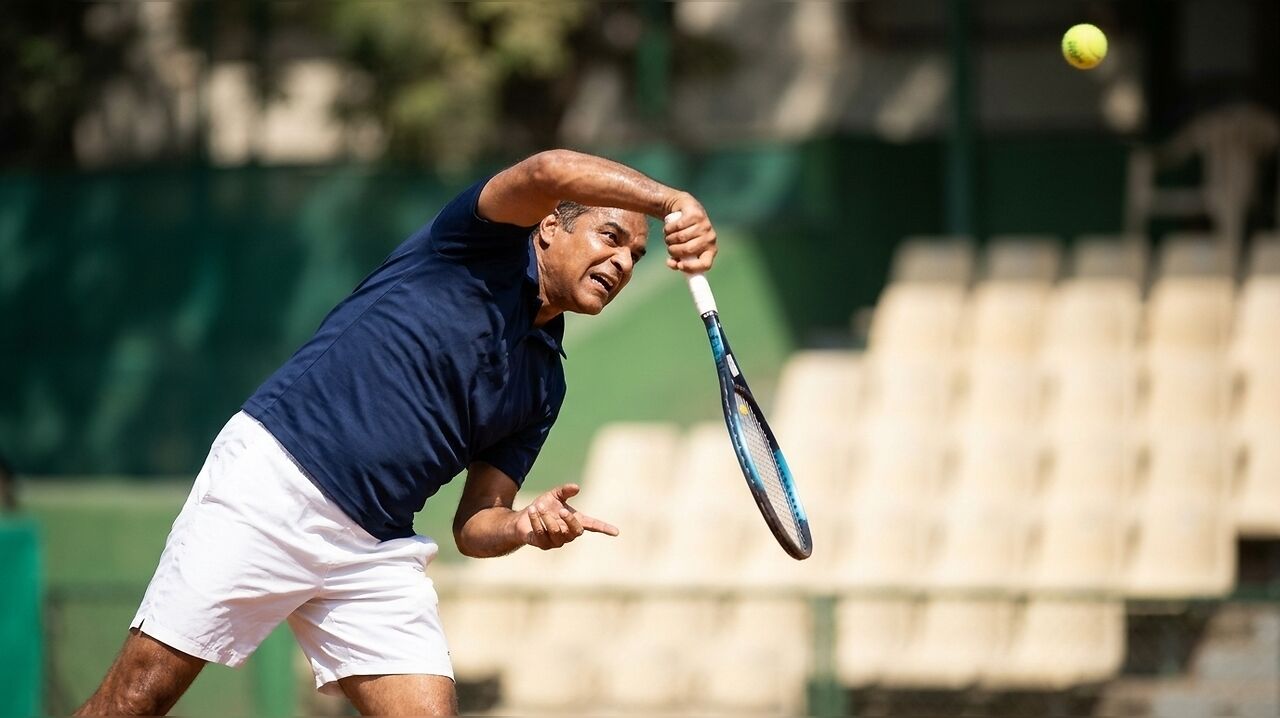
Sutar’s primary objective is to shift the focus of Indian tennis from reliance on individual stars to the establishment of a robust, self-sustaining ecosystem. By prioritizing grassroots development, improved infrastructure, and consistent financial backing for emerging talent, he aims to create a pipeline that ensures the sport’s growth remains independent of specific administrative tenures. Central to this plan is the provision of financial aid for players competing in national and ITF-level circuits after they reach a threshold of five tournament appearances.
Building a Sustainable National Infrastructure
A key pillar of Sutar’s proposal involves the creation of a dedicated pool of coaches funded by the AITA to accompany athletes on international tours, thereby reducing the financial burden on families. He has also identified Northeast India as a strategic priority, advocating for closer collaboration with state associations to introduce professional coaching and regular competitive opportunities to regions that have historically lacked access to the national tennis circuit.
To facilitate this expansion, Sutar intends to leverage government land and existing schemes such as Khelo India and the Sports Authority of India. He points to the success of the Maharashtra model, where the MSLTA has invested over Rs 100 crore over the last decade. By securing land leases from the state government and partnering with major corporate sponsors like Tata Motors, L&T, and Adar Poonawalla, the association has successfully hosted a variety of high-profile events, including ATP, WTA, and Challenger tournaments, as well as Davis Cup and Billie Jean King Cup ties.
Administrative Philosophy and Future Outlook
Reflecting on his administrative journey, Sutar emphasized the importance of a gradual approach to leadership. Having risen through the ranks from a supporter to a council member and eventually the president of the MSLTA, he maintains that administrative roles should be earned through tangible developmental contributions. He highlighted the growth of tennis in district centers such as Nagpur, Nashik, and Pune—which he describes as the country's tennis capital—as evidence that his regional strategy is effective.
Addressing recent questions regarding the MSLTA, Sutar dismissed concerns over internal disputes, characterizing them as minor disagreements over the interpretation of lease agreements that have since been resolved. He emphasized that the organization remains committed to professional and transparent operations. Looking ahead, Sutar remains focused on his vision for the AITA, asserting that the replication of the Maharashtra model across other states is the most viable path to elevating the standard of tennis across India.