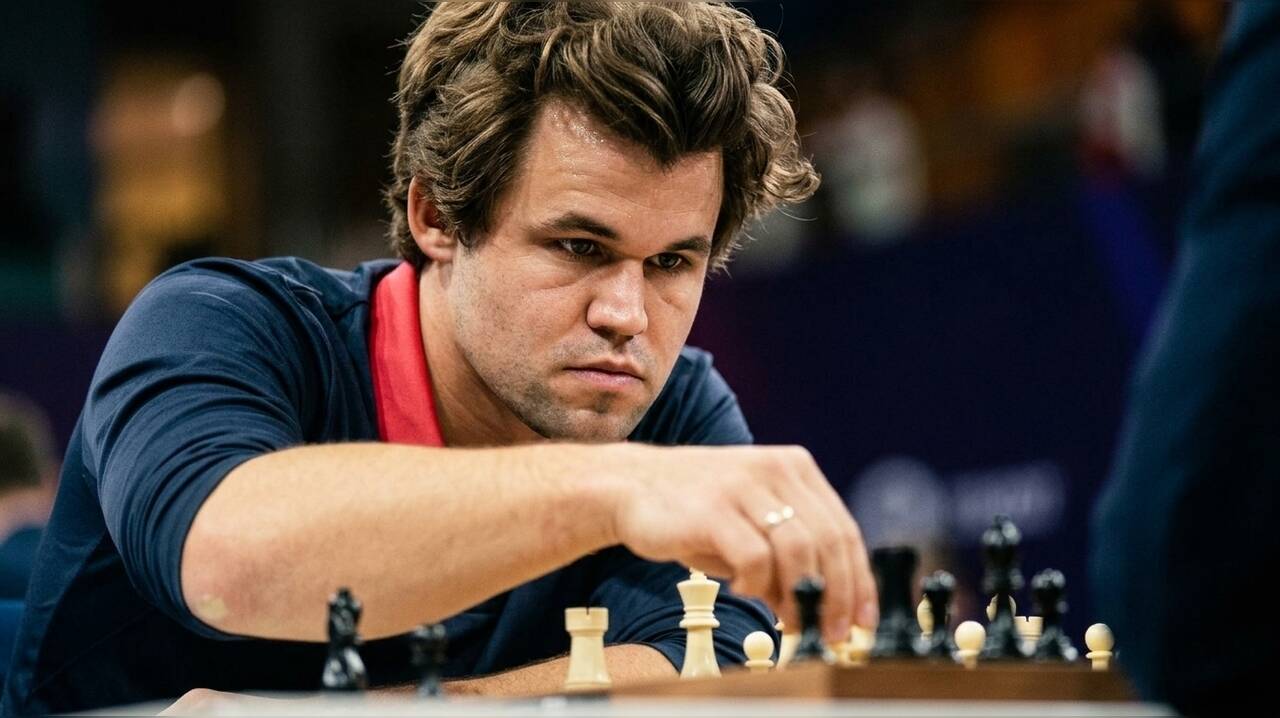
Speaking at the conclusion of the Tech Mahindra
Perspectives on the future of chess and emerging talent
During his appearance, the world number one offered insights into the evolving nature of the sport. He praised the newly launched Total Chess World Championship Tour, noting that the inclusion of faster games under a classical rating system is a positive step toward a more universal and modern approach to the game. He also addressed the impact of artificial intelligence, suggesting that while computers have made chess more accessible and egalitarian for professionals, the game remains fundamentally a draw at the highest level.
Carlsen also weighed in on the upcoming World Championship match between D. Gukesh and Javokhir Sindarov. He argued that Gukesh should approach the contest not as a defensive effort, but as an opportunity to prove his potential. While acknowledging Sindarov as the favorite, Carlsen highlighted the psychological nature of the sport, noting that early momentum in such a short match could prove decisive for either player.
Regarding the rising star R. Praggnanandhaa, Carlsen expressed admiration for his aggressive style, though he cautioned that the youngster has yet to achieve the consistency required to distance himself from his peers. Looking ahead to the Chess Olympiad in Samarkand, the five-time champion identified India, Uzbekistan, and the USA as the teams to watch, with India remaining the squad to beat following their previous performances.
Commitment to competitive play
Despite his departure from the classical championship cycle, Carlsen emphasized that he has no plans to retire from competitive chess entirely. He continues to enjoy the game and intends to take his career a few years at a time, provided he remains at the top of his form. He also expressed his appreciation for the growing popularity of chess, noting that the involvement of high-profile figures from other sports, such as Erling Haaland and Gerard Pique, reflects the game's increasing integration into popular culture.