The 2026
The Jaguars' strategy centered on a series of moves, headlined by the acquisition of defensive tackle
Vikings Pivot to Cousins Amid Offensive Woes
The Minnesota Vikings' decision to bring back Kirk Cousins highlights the volatility of their quarterback situation. After cycling through numerous options, including Carson Wentz and Kyler Murray, the Vikings turned to a familiar face to provide a higher floor for an offense that has ranked 28th in QBR this season. The move provides Kevin O'Connell with a quarterback comfortable in play-action schemes, though questions remain regarding Cousins' ability to elevate the team's deep-passing efficiency and overall consistency.
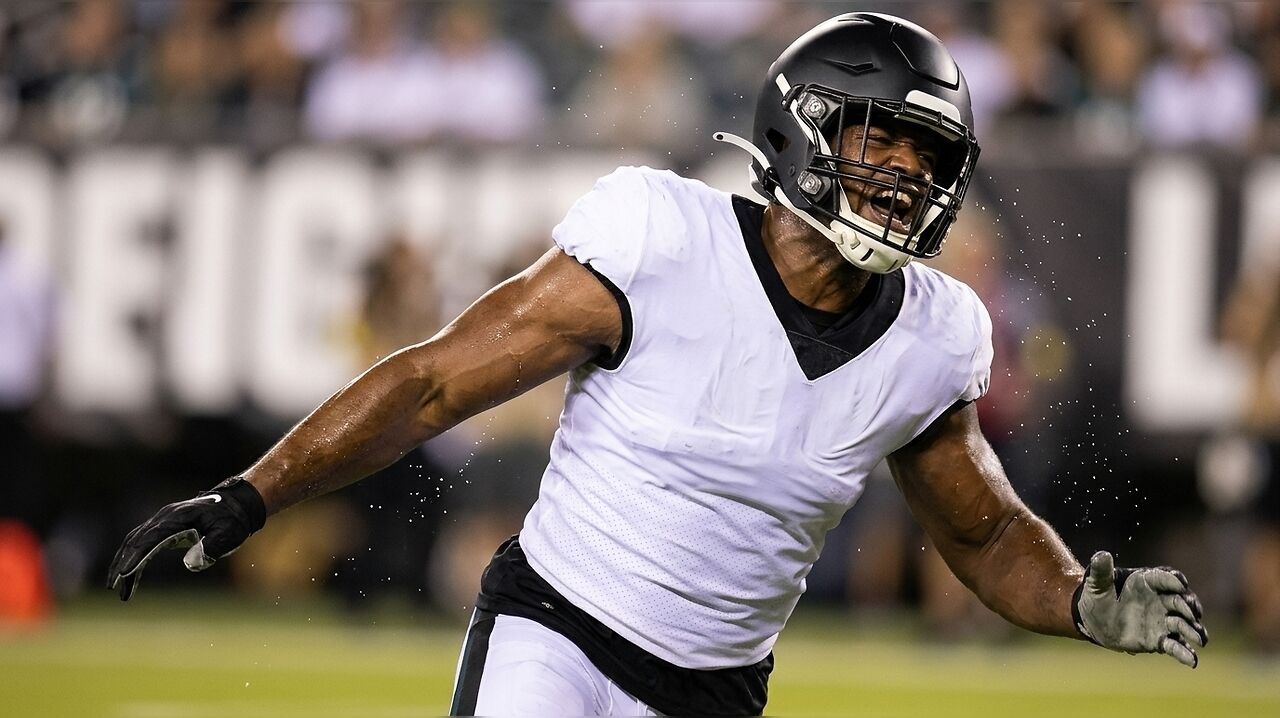
Elsewhere, the Kansas City Chiefs addressed their receiving corps by acquiring Josh Downs, aiming to provide Patrick Mahomes with more reliable separation and after-the-catch creativity. The move comes as the Chiefs look to navigate injuries to Tyquan Thornton and the inconsistent production of Xavier Worthy. The deadline also featured a notable administrative blunder by the Cincinnati Bengals, who nearly acquired Arnold Ebiketie from the Eagles before realizing the trade would inadvertently cost them a valuable third-round compensatory pick, forcing them to cancel the deal.
Deadline Silence and Strategic Restraint
Despite the activity, several teams remained surprisingly quiet. The Los Angeles Rams, facing significant injuries to wide receivers Puka Nacua and Davante Adams, failed to secure a trade-deadline replacement, leaving them to potentially look toward the free-agent market. Similarly, the New York Giants and Detroit Lions opted against major additions, choosing to preserve their draft capital rather than overpay in a market where asking prices were exceptionally high. With 22 teams still holding at least a 5% chance of reaching the postseason under the current 14-team format, the scarcity of sellers contributed to a deadline that, while impactful for a few, lacked the widespread movement many had anticipated.