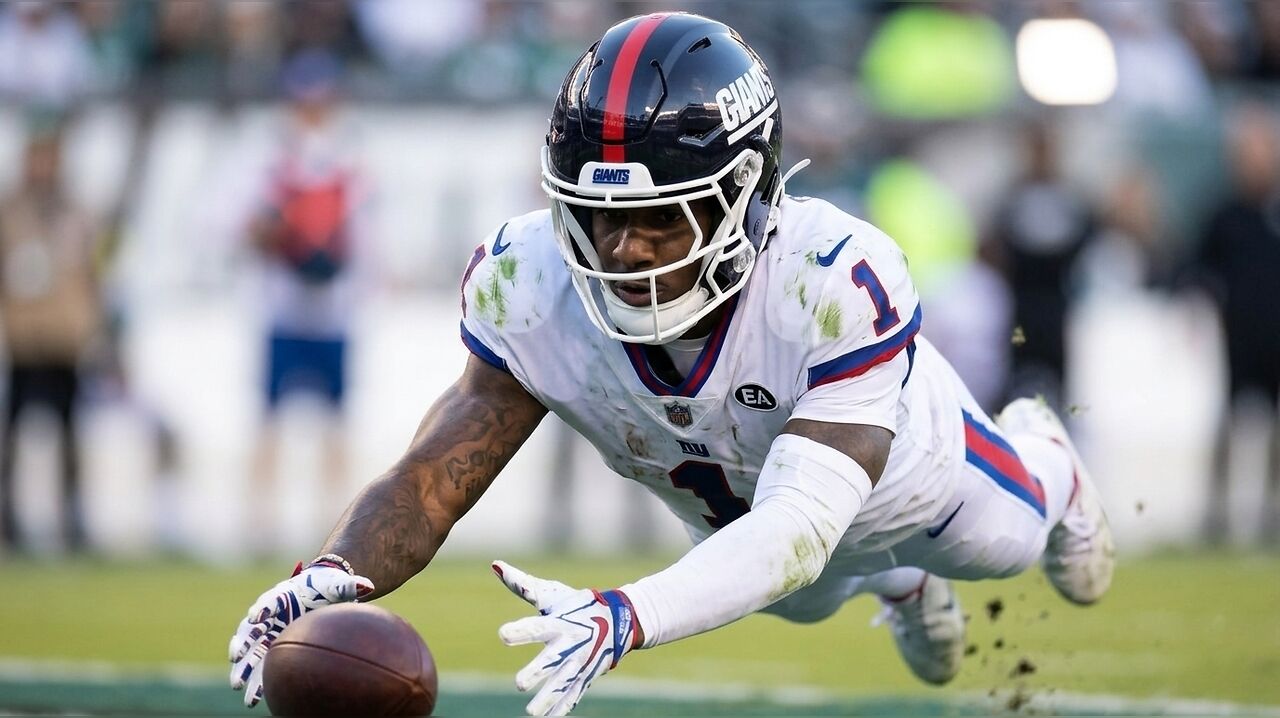
In a post shared on his Instagram story, Nabers expressed frustration with the narrative he felt the commentators were attempting to build. He defended his character, stating that he has never been labeled a bad teammate during his career and insisted that his facial expressions remain consistent regardless of the game's outcome or the team's performance.
Broadcast commentary sparks player response
The tension between the player and the broadcast booth centered on specific moments during the second half of the game. Early in the fourth quarter, with the Giants holding a 13-8 lead, quarterback J.J. McCarthy threw an incomplete pass behind Nabers. Replays showed the receiver gesturing, which prompted Olsen to remark that the player appeared dissatisfied with the ball placement. Davis added that the receiver's body language had been poor throughout the afternoon.
The commentary continued when Davis questioned why Nabers did not appear more enthusiastic after teammate Isaiah Likely scored a go-ahead touchdown earlier in the half. Olsen elaborated on his perspective, noting that while elite wide receivers often demand the ball, there is a fine line between being a fierce competitor and allowing personal frustration to overshadow team success. Olsen emphasized that players should be the most supportive individuals on the field when a teammate scores, adding that Nabers is a talented player who needs to manage his reactions.
Performance and on-field context
The broadcast criticism also touched upon a missed opportunity in the end zone, where Nabers was unable to secure a pass from McCarthy on third down. Olsen remarked that the ball was well-placed and that a premier player should be expected to make such a catch. The Giants ultimately settled for a field goal, extending their lead to 16-8 with approximately nine minutes remaining in the game.
For Nabers, the game concluded with five receptions on eight targets for 43 yards. This performance marked the first time the receiver has been held under 100 yards since Week 3. In his social media response, Nabers suggested that if the broadcast team disapproved of his playing style or demeanor, they should avoid focusing their cameras on him, while also noting that he remains focused on his professional responsibilities.