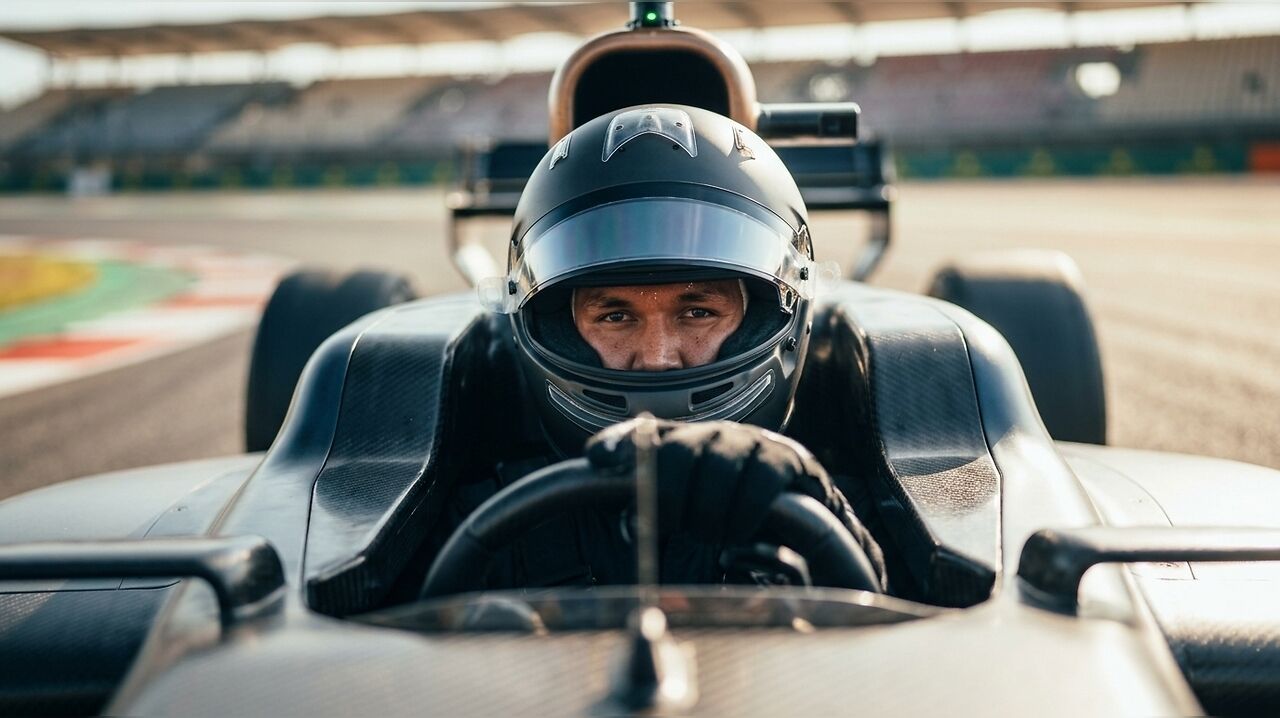
Williams driver
The Thai-British racer pointed to the performance of championship leader Andrea Kimi Antonelli as a prime example of this trend. Despite being in only his second year in the sport, Antonelli has thrived under the current ruleset, which Albon believes plays directly into the hands of those willing to push the limits of their machinery.
Technical Demands and Adaptation
According to Albon, the core of this shift lies in the balance between the front and rear tyres. He noted that the rear tyres are currently less durable compared to previous iterations, which has changed how drivers approach corner entries. By pushing harder into corners, drivers like Lewis Hamilton and Antonelli are finding success by managing the car's rotation in a way that the current regulations actively incentivise.
Beyond the physical handling of the car, Albon highlighted the complexity of battery deployment as a significant hurdle for the field. He admitted that the technical requirements—specifically regarding throttle application, braking, and gear shifting—initially clashed with his own natural driving style. The learning curve has been steep, with Albon noting that it has taken until October for him to feel truly comfortable with the nuances of the system.
Williams Focus Shifts to 2027
While discussing the technical challenges, Albon also addressed the current standing of the Williams team. After finishing fifth in the 2025 standings, the team has faced a difficult campaign this year, currently sitting ninth in the championship. With the season progressing, the internal focus at the factory has already pivoted toward the future.
Albon confirmed that the team is prioritising development for next year's car, with simulator work and engineering discussions now centered on long-term gains. He acknowledged that this strategy may require holding back certain upgrades in the short term to ensure a more significant performance leap for the following season, reflecting a pragmatic approach to the team's ongoing development cycle.