Morocco and Spain have entered a high-stakes dispute over which nation will host the
The tension escalated this week when Fouzi Lakjaa, president of the Moroccan soccer federation, claimed the decision was already settled. During a political rally, Lakjaa stated that the
Competing Claims and Diplomatic Context
In response to the Moroccan stance, Spanish soccer federation head Rafael Louzán maintained that Spain is the rightful host for the final. While acknowledging that FIFA has not provided a formal guarantee, Louzán argued that Spain’s status as a world champion in both men’s and women’s soccer makes it the logical choice to stage the tournament's biggest game. European officials have further supported this position, suggesting that because the 2030 event is primarily a European-led project, the final should be held on the continent.
The uncertainty surrounding the final venue is complicated by the existing diplomatic strain between Madrid and Rabat. Tensions were recently exacerbated by a mass border crossing in late July, where thousands of individuals entered the Spanish enclave of Ceuta from Morocco. While Spanish authorities noted that it was unlikely the Moroccan government intentionally orchestrated the event, the incident has placed significant domestic political pressure on the Spanish government to adopt a firmer stance toward its neighbor.
FIFA's Stance and Future Infrastructure
FIFA has yet to make an official announcement, stating only that a decision will be reached in due course. The governing body faces this challenge while its president, Gianni Infantino, navigates internal pressures following a failed attempt to sell stakes in the World Cup. Infantino has maintained a visible presence in Morocco, having visited twice in recent months for meetings with King Mohammed VI and to conduct a FIFA crisis session.
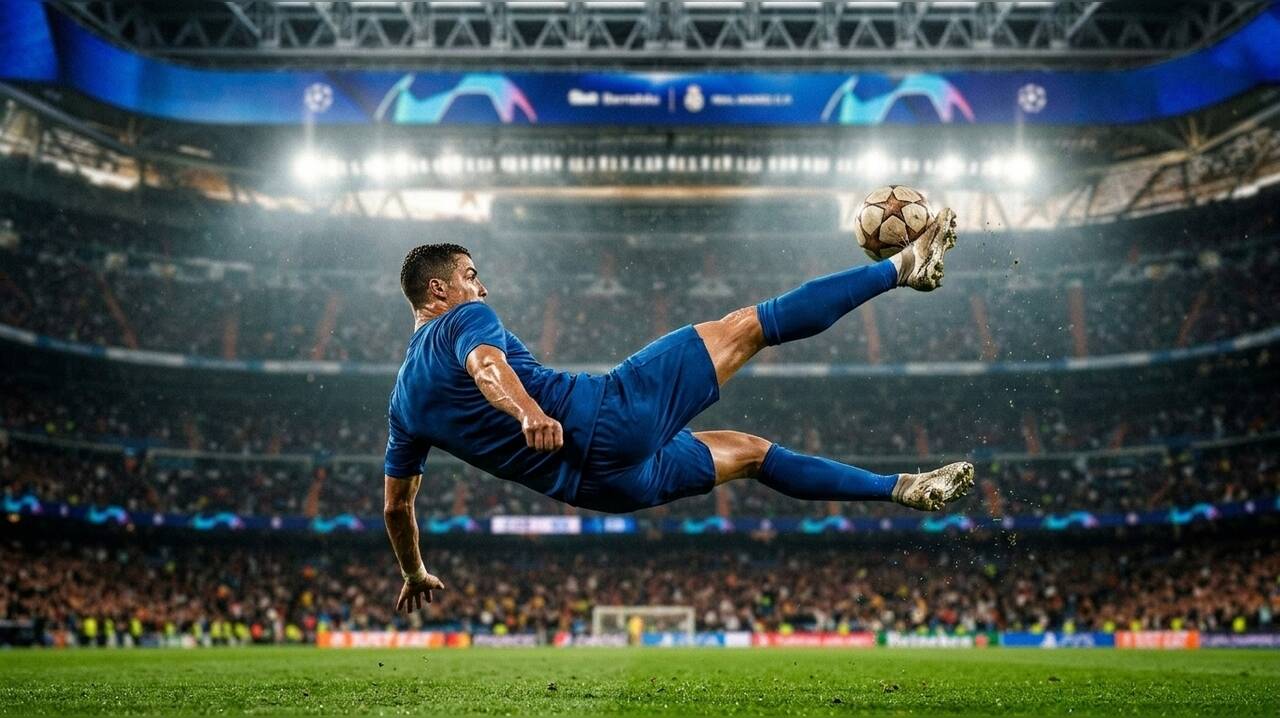
The infrastructure debate centers on the capacity and prestige of the proposed venues. The Hassan II Stadium in Benslimane is designed to accommodate 115,000 spectators, providing a massive stage for the event. Conversely, Spain points to the iconic home stadiums of Real Madrid and Barcelona as world-class alternatives capable of hosting the final. Originally conceived as a bridge between Europe and Africa, the joint candidacy now faces a test of unity as both nations vie for the prestige of hosting the final match.