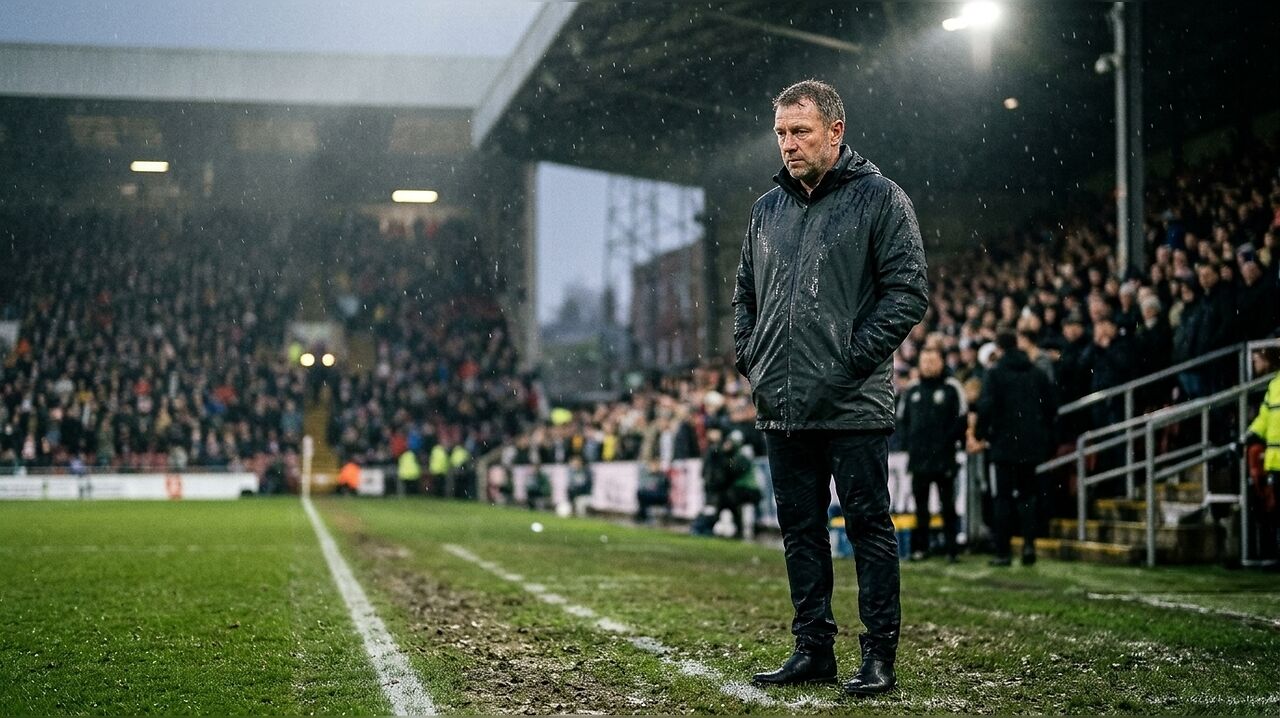
Carrick, who had been in the role permanently for less than six months, was initially praised for revitalising the squad during his time as interim boss. Under his guidance, the team finished third in the Premier League last season, successfully securing a return to the Champions League. However, a dismal start to the current campaign, which has seen the club win only three of their opening 15 matches across all competitions, ultimately led to his departure following a 4-4 draw against Aston Villa.
A Pattern of Instability and Internal Friction
The departure of Carrick adds his name to a long list of managers—including David Moyes, Louis van Gaal, Jose Mourinho, Ole Gunnar Solskjaer, Erik ten Hag, and Ruben Amorim—who have failed to sustain success since Sir Alex Ferguson retired in 2013. The instability has been compounded by internal discord, with captain Bruno Fernandes dropped last month following public criticism of tactical decisions after a 4-1 defeat to Como. Furthermore, defender Lisandro Martinez publicly questioned the club's hierarchy regarding the lack of squad investment during the summer transfer window.
With the club facing the genuine threat of relegation from the top flight for the first time since 1974, reports suggest that USA head coach Mauricio Pochettino is the frontrunner to take over. The incoming manager faces the significant challenge of stabilising a fractured dressing room and a club currently in deep crisis.
Ownership Under Fire as Debt Mounts
While managerial changes have become a recurring theme, the focus of supporter frustration has shifted firmly toward the club's ownership. The
The Manchester United Supporters' Trust (MUST) issued a scathing statement following the announcement, calling for accountability from the owners. The trust highlighted that despite promises of sporting excellence from INEOS, the club has seen only repeated leadership failures. Former captain Gary Neville echoed these sentiments, describing the leadership as inept and warning that changing managers will not solve the fundamental lack of strength throughout the club's spine. As the future of