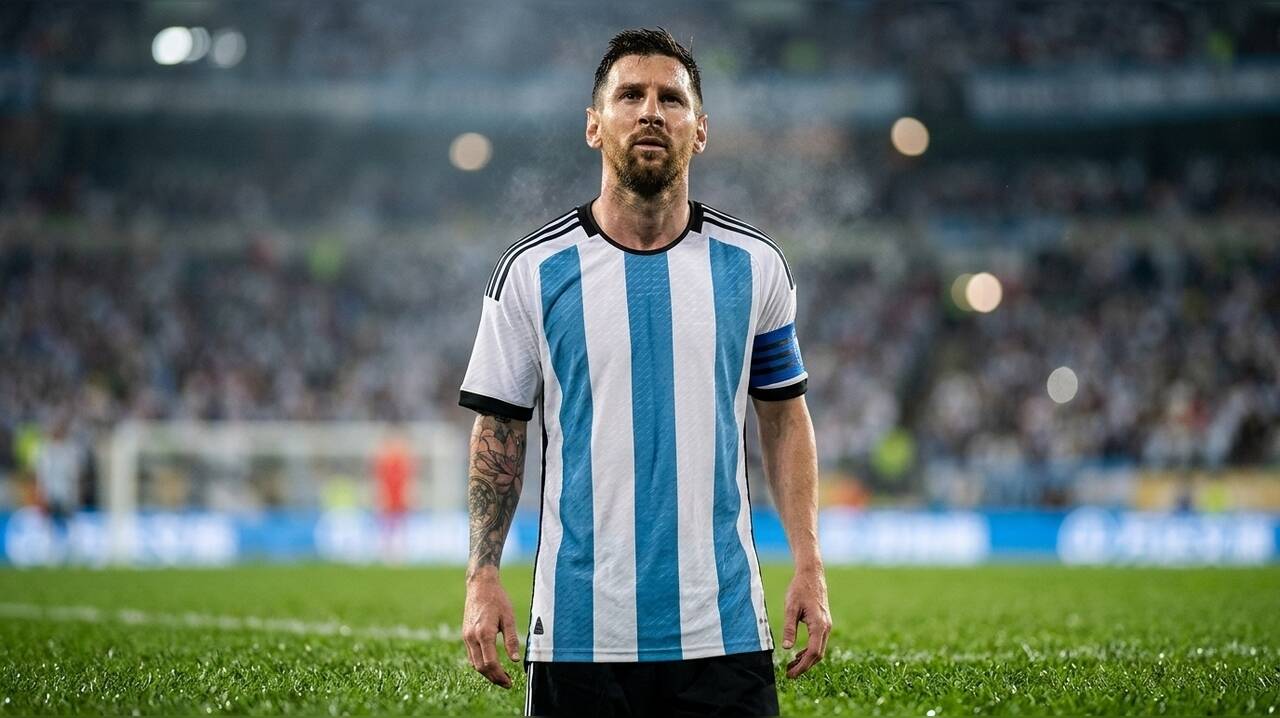
The international football landscape is adjusting to the departure of
While the sentiment to preserve the number is strong among fans and officials, the Argentine Football Association faces a significant regulatory barrier. FIFA mandates that national teams participating in official international tournaments must assign squad numbers in consecutive order. For a 26-player roster, teams are required to use numbers 1 through 26, effectively preventing any nation from permanently removing a specific digit from circulation for major competitions.
Regulatory hurdles and historical precedent
The current situation mirrors a challenge Argentina encountered two decades ago. In 2001, then-AFA president Julio Grondona sought to retire the No. 10 jersey to pay tribute to Diego Maradona. However, FIFA rejected the proposal, forcing the national team to assign the number to Ariel Ortega for the 2002 World Cup. Given these established regulations, it is highly improbable that FIFA would grant an exception for future tournaments such as the 2028 Copa America or the 2030 World Cup.
While the No. 10 shirt cannot be retired for official FIFA events, the association does retain the flexibility to leave the jersey vacant during friendly matches. This allows the team to honour Messi’s legacy in non-competitive fixtures, though the long-term status of the number remains tied to the strict squad registration rules enforced by football's governing body.
A legacy defined by longevity and success
Messi’s retirement marks the end of an era that began with his senior debut in 2005. Over the course of his international career, he established himself as Argentina’s all-time leading scorer with 125 goals. His impact on the global stage is underscored by his participation in six World Cups, where he set records for the most matches played at 34 and the most victories at 23.
Reflecting on his decision to step down at age 39, Messi shared his perspective via social media, stating that he had given everything he could to the team. He noted that his departure is intended to make room for the next generation of talent, acknowledging that younger players deserve the opportunity to represent the Albiceleste. As the team moves forward, the absence of their long-time captain leaves a void for a squad that reached the World Cup final only six weeks prior to his announcement.