India captain
The ICC implemented a temporary ban on the use of saliva in May 2020 as a safety measure. In September 2022, the governing body made the decision permanent, though players remain permitted to use sweat to polish the ball. Gill noted that with the pandemic having passed years ago, the rationale behind maintaining the ban remains unclear to him.
Impact on bowling and match conditions
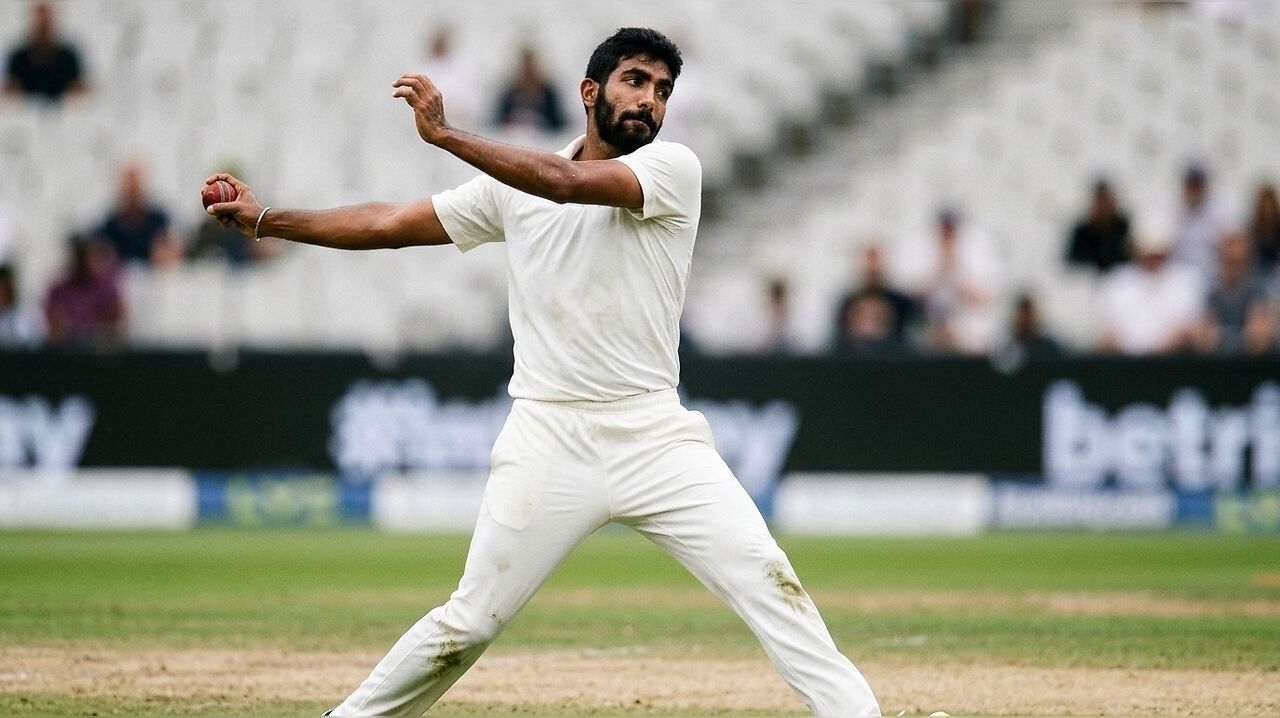
The use of saliva has historically been a vital component of red-ball cricket, particularly for fast bowlers looking to maintain the shine on one side of the ball. This technique is essential for generating conventional swing and, as the ball ages, facilitating reverse swing. The practice is especially significant in the longer format of the game, where the ball is used for extended periods, allowing bowlers to manipulate its condition to deceive batters.
The frustration expressed by the Indian captain was compounded by the nature of the result at the Basin Reserve. Despite putting the hosts under pressure, India were unable to force a victory on a pitch that offered minimal assistance to the bowlers. The final day saw New Zealand batters Daryl Mitchell and Glenn Phillips display significant defensive resilience, successfully navigating the Indian attack to secure a draw.
Wellington stalemate and WTC standings
New Zealand resumed the final day at 119/2 and reached 239/5 by the time the captains agreed to conclude the match. Mitchell finished unbeaten on 49 from 187 deliveries, while Phillips remained not out on 26 from 126 balls. The surface, despite some cloud cover and a strong breeze, proved benign, allowing the batters to play through the line without facing the threat of uneven bounce.
This result marks India’s second consecutive draw, following a similar outcome against Sri Lanka in Colombo last August. For Gill, the lack of a decisive result is a source of disappointment, noting that draws have become increasingly uncommon in the modern game. The stalemate has also had implications for the