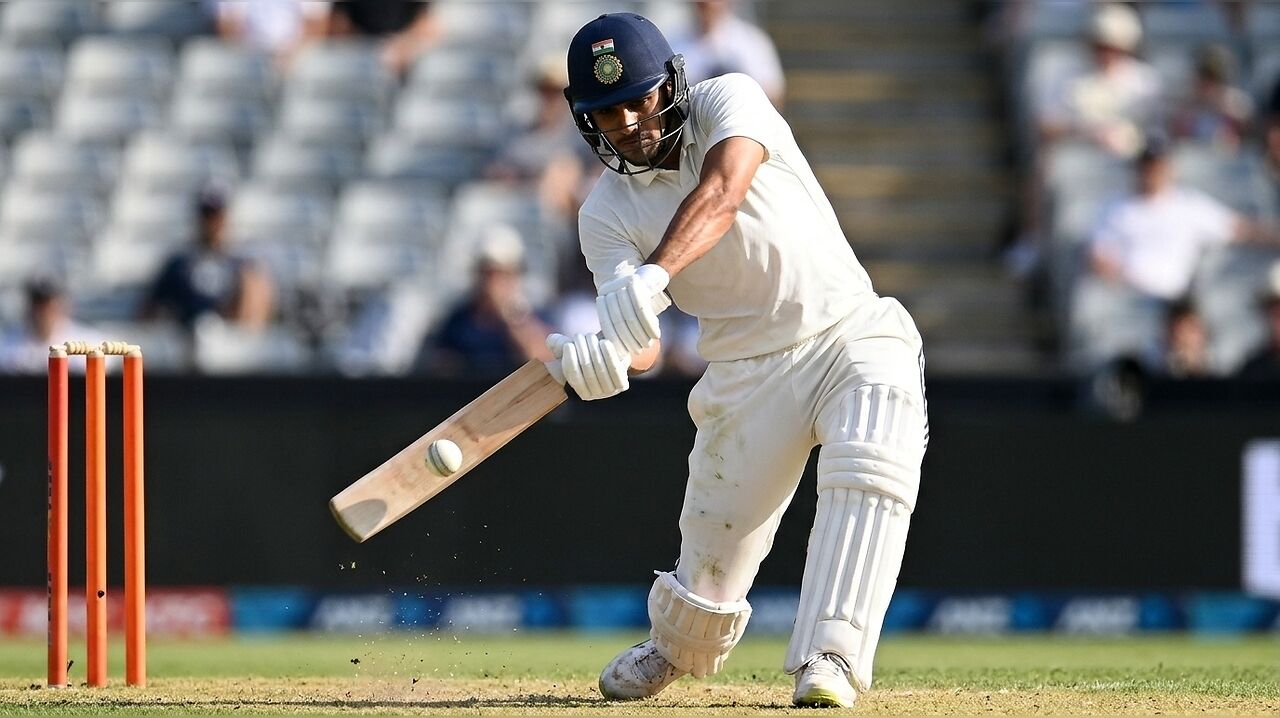
The dismissal marked the fourth time in his Test career that Gill has been removed in the 90s. This statistic places him in an exclusive group of Indian cricketing figures, joining former captains Gautam Gambhir and Sourav Ganguly, as well as batting legend VVS Laxman, who all share the same record of four dismissals in that nervous range. Other notable names in this particular category include Navjot Sidhu, Dilip Vengsarkar, and Ajit Wadekar.
A milestone performance amidst a near-century
While the century eluded him, Gill’s contribution was instrumental in building India’s total. He played with intent throughout his stay at the crease, utilizing his cut and pull shots to consistently pressure the New Zealand bowling attack. His aggressive approach was highlighted by a six off Glenn Phillips, a shot that saw him reach 3,000 runs in the history of the
Gill’s efforts were part of a dominant day for the visitors, who finished at 486/4. He shared a productive 100-run partnership for the fourth wicket with Rishabh Pant, who remained unbeaten on 55 from 62 balls. The foundation for this total had been set earlier by KL Rahul, who contributed a patient 136, and Devdutt Padikkal, who added 80. By the close of play, India held a lead of 118 runs over New Zealand’s first-innings total of 368.
The innings eventually came to a close in the final over of the day when Jacob Duffy bowled the set batter. Despite the disappointment of falling for 98, Gill’s performance remains a significant talking point as India looks to consolidate its advantage heading into the fourth day of the Test match. The list of players dismissed in the 90s continues to be led by Sachin Tendulkar and Rahul Dravid, who each recorded 10 such dismissals, followed by Rishabh Pant with seven, and the trio of MS Dhoni, Sunil Gavaskar, and Virender Sehwag with five each.