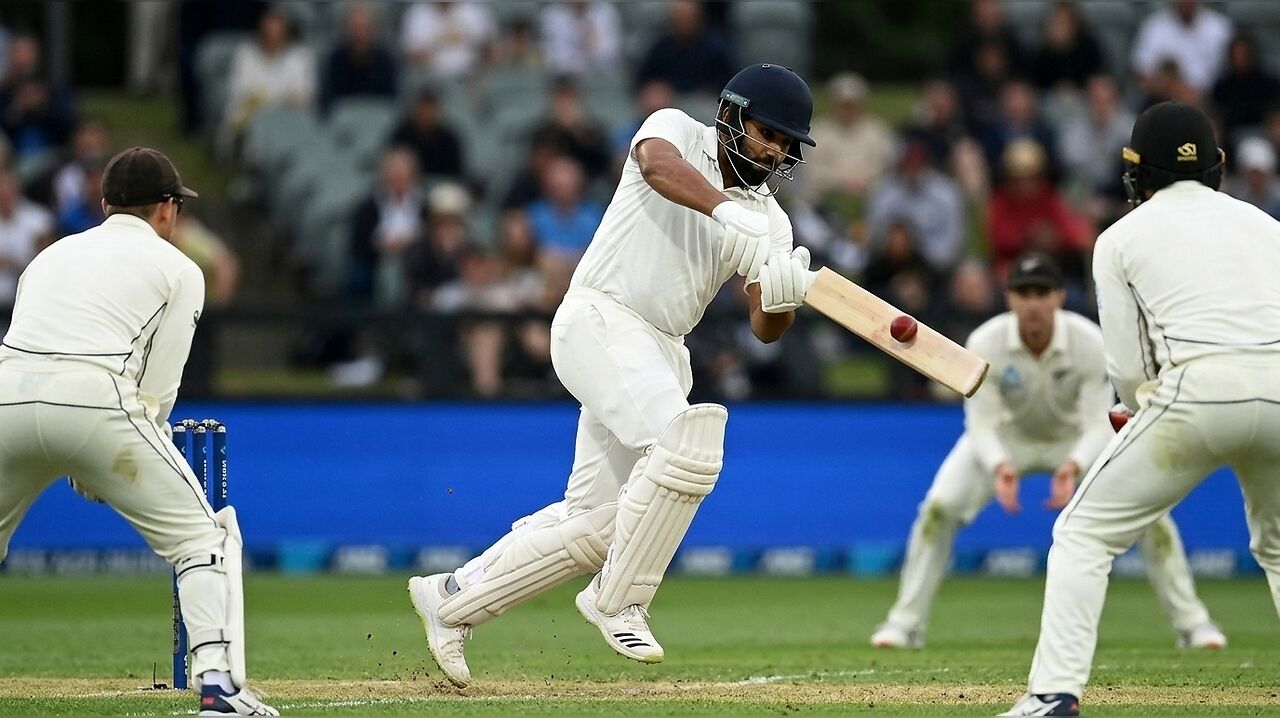
The match saw India in need of a stabilizing partnership between Pant and KL Rahul on a pitch that offered significant assistance to the bowlers. Rather than settling in, Pant opted to take the attack to Jacob Duffy, charging the pacer in his opening over and striking a six over long-on. While the move initially disrupted the bowler, the tactical gamble ultimately proved costly, reigniting the long-standing conversation about whether the left-hander should adjust his temperament when his team is in a precarious position.
Expert Perspectives on Pant's High-Risk Strategy
The discourse surrounding Pant’s methods has drawn varied reactions from within the cricketing fraternity. India’s spin bowling coach, Sairaj Bahutule, defended the batter’s unique style, noting that while there is a clear pattern to his risk-taking, it remains a vital tool for shifting momentum. Bahutule acknowledged that while the team requires partnerships, Pant’s ability to express himself often forces opponents to alter their lengths, which can be a significant advantage when the strategy succeeds.
Legendary former opener Sunil Gavaskar offered a more fatalistic view, suggesting that attempting to change Pant’s mindset after more than 50 Test appearances is likely futile. Gavaskar pointed to Pant’s sound defensive technique as evidence that he possesses the tools to play conservatively, yet argued that his aggressive charges are often premeditated responses to pressure. According to Gavaskar, the inconsistency is simply an inherent part of the player’s temperament that supporters must learn to accept.
Conversely, former New Zealand wicketkeeper Ian Smith adopted a more critical stance, emphasizing that the freedom to play such a high-risk game comes with the burden of accountability. Smith noted that while Pant is frequently praised for his unique talent, he must be prepared to face scrutiny when his aggressive choices result in early dismissals during critical match phases. As the debate continues, the consensus remains that Pant is unlikely to abandon his signature style, leaving his team to navigate the fine line between his match-winning potential and the volatility of his approach.