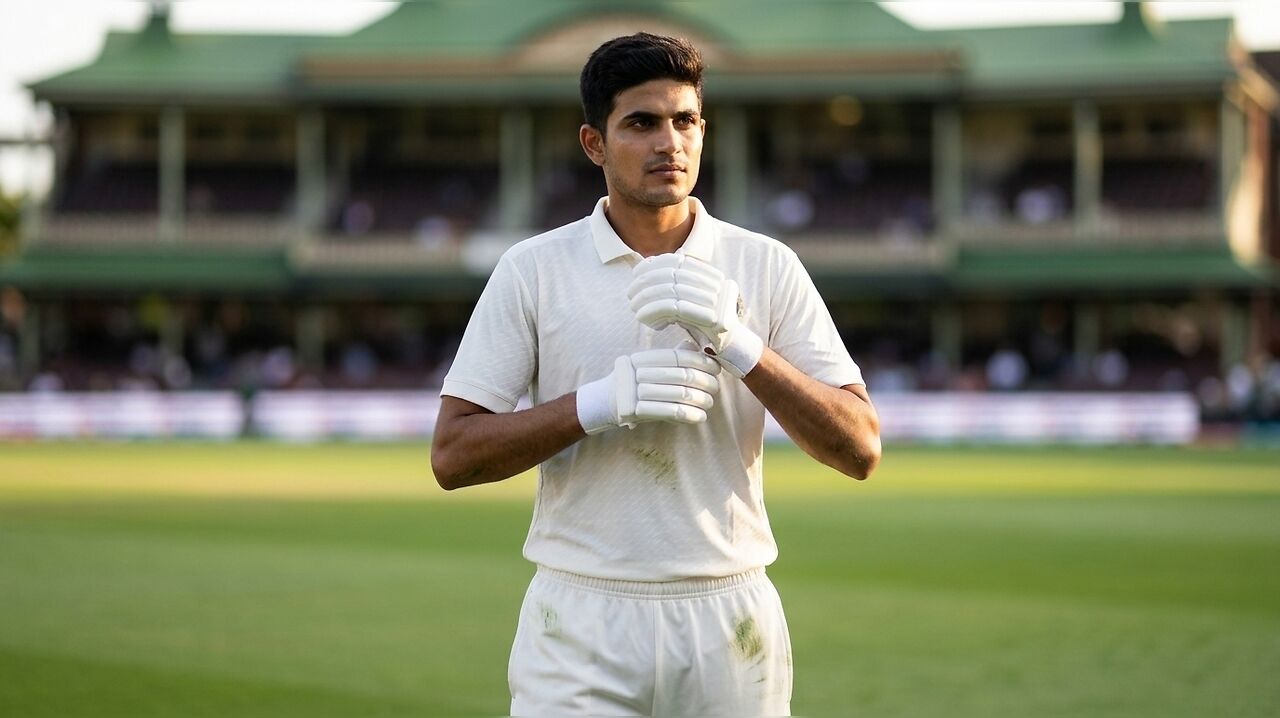
Former
As India prepares for the upcoming Test against New Zealand, the focus has shifted toward current captain
Defining a Leadership Legacy
The current Indian team has been heavily influenced by the tactical preferences of head coach Gautam Gambhir, who has shown a clear penchant for specific strategies, including the use of left-right batting combinations and a focus on batting depth. However, observers note that these ideologies do not necessarily mirror the personal preferences of the captain. While Gill has demonstrated a clear tactical inclination toward utilizing tall fast bowlers capable of hitting the deck hard, he has yet to fully imprint his own philosophy on the team’s broader approach.
Having now led the side in 11 Test matches—including series against England, the West Indies, South Africa, Sri Lanka, and the ongoing tour of New Zealand—Gill is reaching a point where his leadership style should be clearly identifiable. With the current
Realism Amidst WTC Aspirations
The ambition to reach the World Test Championship final remains a stated goal within the Indian camp, though the path has become increasingly narrow following recent results. Team India’s bowling coach, Morne Morkel, provided a candid assessment of the situation on the eve of the second Test, acknowledging the significant challenges the team faces in qualifying. Despite the mathematical hurdles, the focus remains on the development of the squad under Gill’s guidance.
As Wright noted, the transition of former players into coaching roles across the game highlights the enduring legacy of the leaders he once worked with. By drawing parallels to the era of Ganguly, Wright’s message is clear: while coaching staff provide support, the ultimate responsibility for shaping the team’s character lies with the captain. For Gill, the remainder of the New Zealand series offers a vital opportunity to move beyond the shadow of external ideologies and begin building a team that truly reflects his own leadership identity.