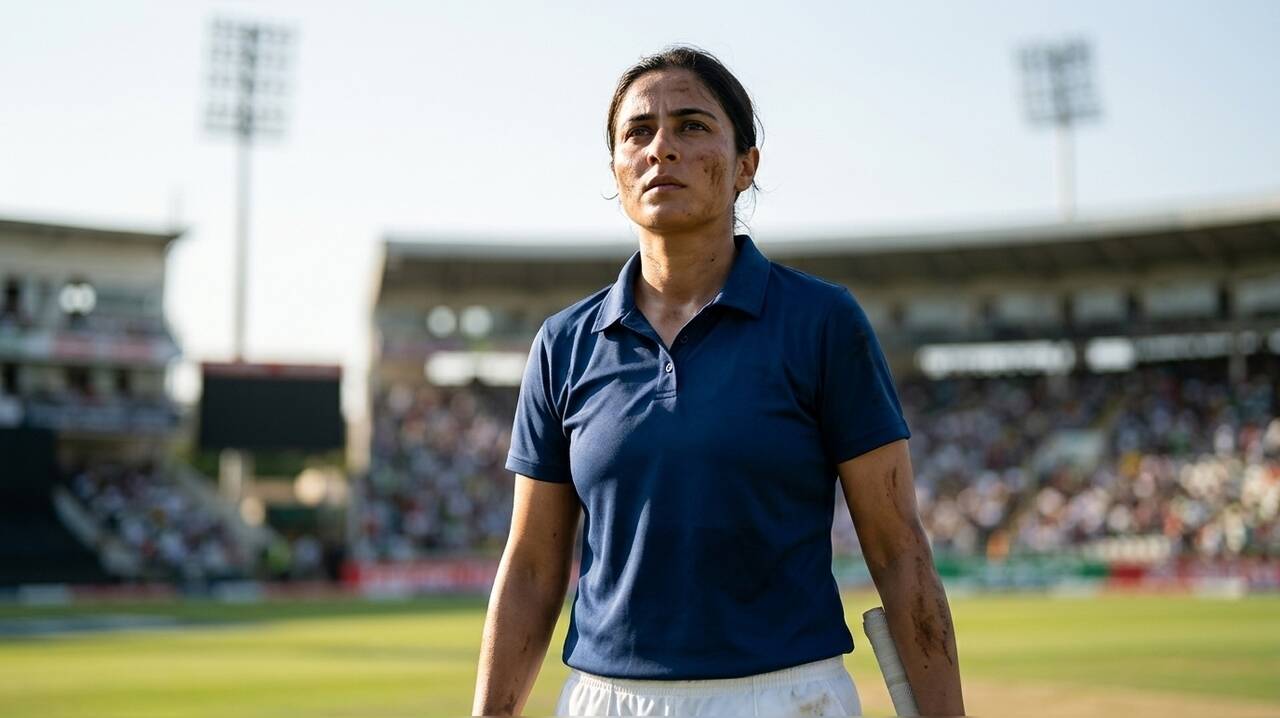
India secured a dominant 72-run victory over Sri Lanka in the Women's Asia Cup final on Sunday, but the celebrations were dampened by a recurring administrative standoff. The post-match trophy presentation was significantly delayed as the Indian squad appeared unwilling to accept the championship silverware from
This incident mirrors a similar situation from last year's men's Asia Cup final, where the Indian team also opted against receiving the trophy from Naqvi. The repeat occurrence has drawn renewed attention to Naqvi’s dual role as both the head of the Pakistan Cricket Board (PCB) and a senior government official serving as Pakistan’s Interior Minister.
Mohammad Kaif questions administrative focus
Former Indian cricketer Mohammad Kaif has publicly questioned the feasibility of Naqvi balancing high-level political duties with the demands of cricket administration. Speaking on the matter, Kaif suggested that the responsibilities of a cricket board chief require undivided attention, which he believes is compromised by political commitments.
Kaif argued that effective leadership in cricket administration necessitates a singular focus, drawing comparisons to the structure of the Board of Control for Cricket in India (BCCI). He emphasized that the complexity of managing a national cricket board, combined with the oversight of the ACC, makes it difficult for any individual to successfully juggle a simultaneous role in government.
Talent vs. Systemic Challenges
Beyond the administrative controversy, Kaif addressed the state of Pakistan cricket, dismissing the notion that the country suffers from a lack of raw talent. He asserted that while Pakistan possesses significant natural ability, the primary issue lies in the development of a robust system capable of nurturing that talent into consistent, professional performance.
The incident has ensured that the Women's Asia Cup final will be remembered as much for the off-field tension as for India’s clinical performance on the pitch. With the presentation ceremony stalling due to the standoff, the intersection of cricket administration and political office remains a point of contention. As these situations continue to arise during major regional tournaments, the debate surrounding the governance of the sport and the roles held by its top officials is expected to persist.