The
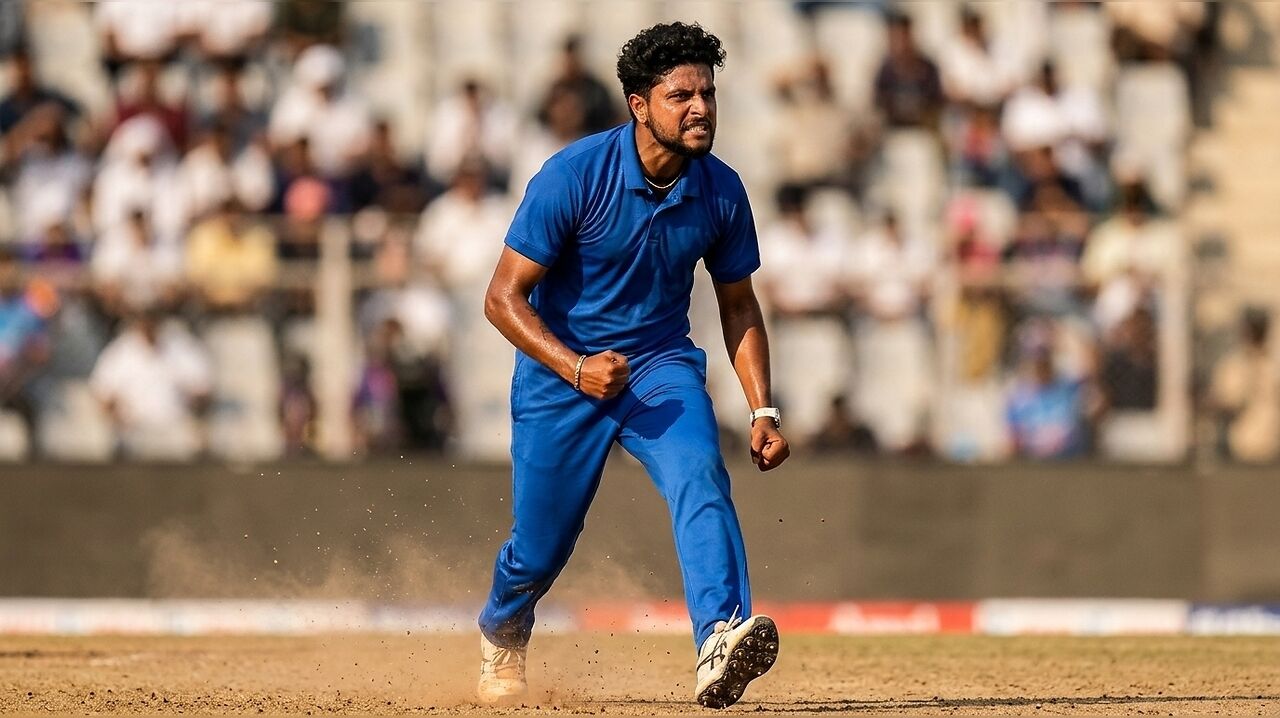
Pakistan A, led by captain Abdul Samad, had opted to bat first after winning the toss, citing the dry nature of the pitch. Openers Shamyl Hussain and Maaz Sadaqat initially handled the Indian bowling attack with composure, guiding their side past the 50-run mark without loss. However, Rana’s persistent line and length eventually turned the tide, as he applied significant pressure through a series of dot balls.
Rana’s pivotal breakthrough and aggressive display
The breakthrough for India A arrived when Ayush Badoni claimed the wicket of Shamyl Hussain. Stationed at short third, Rana secured the catch and immediately directed an animated send-off toward the departing batter, gesturing for him to return to the pavilion. This moment of friction underscored the high emotions present throughout the contest.
Rana’s impact extended beyond the dismissal of Hussain. He later claimed the wicket of wicketkeeper-batter Rohail Nazir for a duck, further destabilizing the Pakistan A batting lineup and strengthening India A's position in the match. India A captain
Pre-match tension and team contexts
The atmosphere was charged well before the first delivery, highlighted by the absence of the customary handshake between the two captains following the toss. While Pakistan A captain Abdul Samad expressed confidence in his side's ability to set a target on the dry surface, India A skipper Tilak Varma admitted his team had also hoped to bat first but remained prepared for the challenge of bowling.
Both sides entered the fixture with unchanged lineups. India A fielded a side including Vaibhav Sooryavanshi, Abhishek Sharma, and Rinku Singh, while Pakistan A relied on a squad featuring Hasan Nawaz, Mohammad Imran Randhawa, and Ali Raza. The match remains a focal point for spectators, given the historical rivalry and the competitive nature of the Asia Cup Rising Stars tournament.