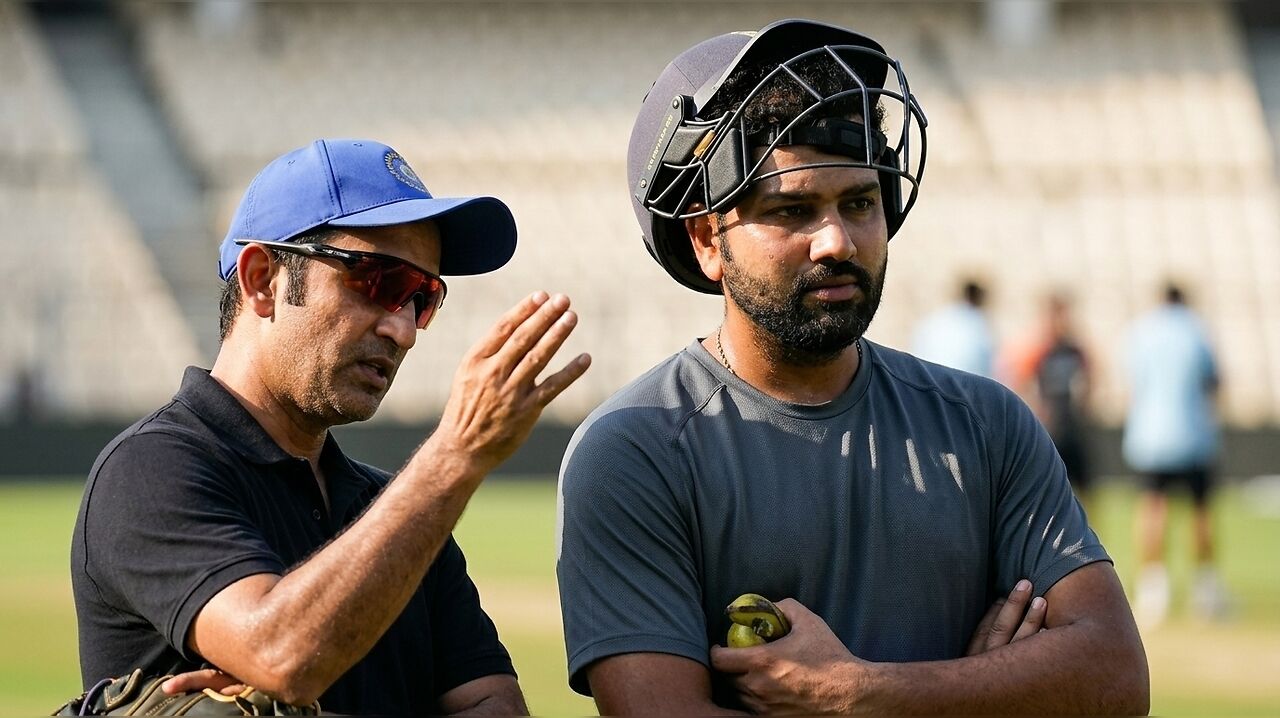
India head coach
Reflecting on his tenure, Gambhir noted that this pre-existing familiarity has been instrumental in navigating the complexities of the coach-captain relationship. By having played together, both individuals possess a deep understanding of each other's perspectives, which Gambhir believes facilitates smoother decision-making processes, even when initial opinions differ.
A Shared History Driving Team Interests
In a recent conversation, Gambhir explained that their history removes the need for the typical adjustment period required when a coach and captain are unfamiliar with one another. He emphasized that the primary objective remains the collective success of the team, regardless of any individual differences in tactical approach or opinion.
“Rohit’s and my relationship wasn’t just of captain and coach,” Gambhir stated. “He knows my thinking, I know his thinking. Tomorrow I might have some other thinking, the captain might have some other thinking, but ultimately, whatever is in the best interest of the team, if that’s the last final decision, then nothing can be better than that.”
Common Ground Among India’s Leaders
Gambhir has worked with four different captains during his time as head coach, including Rohit Sharma, Suryakumar Yadav, Shubman Gill, and Shreyas Iyer. Despite the varying leadership styles and personalities among these players, the head coach identified a singular, unifying characteristic that defines his experience with all of them.
“With all four captains I have worked with, this has been my experience: that everyone’s intention has been Indian cricket,” Gambhir remarked. This shared commitment to the national team’s success serves as the common thread that binds the leadership group together, even as the team navigates evolving selection dynamics and external narratives surrounding player futures.