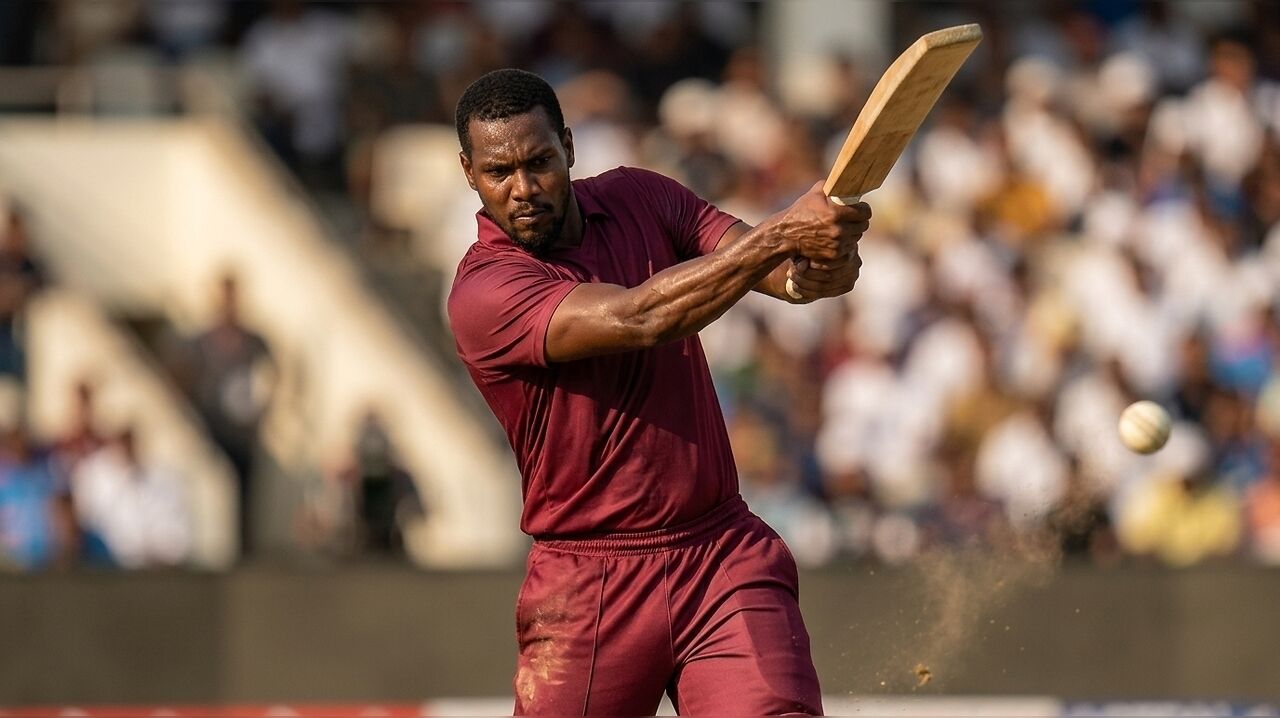
The issue has come to the fore during the ongoing T20I series between the West Indies and India, which is currently locked at 2-2 following a notable century from Shai Hope in Hyderabad. Despite the high-profile nature of the contest, Dehring revealed that the West Indies receive no share of the broadcasting revenue generated by the matches, even as the host nation stands to gain millions.
The Impact of the 1997 Financial Shift
Dehring traced the origins of this imbalance back to 1997, a pivotal year when nine of the ten ICC member nations voted to overhaul the sport's financial structure. Prior to this change, the established system saw host nations pay visiting teams a guaranteed touring fee. For the West Indies, this arrangement was historically lucrative, often providing more income than the board could generate by hosting series within the Caribbean.
Under the revised system, the host nation retains all revenue derived from broadcasting rights. Dehring argued that this shift created an unsustainable environment for smaller cricketing nations. He contrasted the massive potential earnings available to India, with its population of 1.5 billion, against the limited revenue capacity of Caribbean nations like Antigua or St Kitts, which have significantly smaller populations.
A Call for Structural Reform
Reflecting on the 1997 vote, where the West Indies were outvoted nine to one, Dehring described the decision as fundamentally unfair. He stated that the move effectively stripped the board of its primary income source, which he believes has contributed to the long-term decline of the sport in the region. According to Dehring, a series that holds the potential to generate between $20 million and $30 million in India provides zero financial return to the visiting West Indies side.